

Algeria
Images
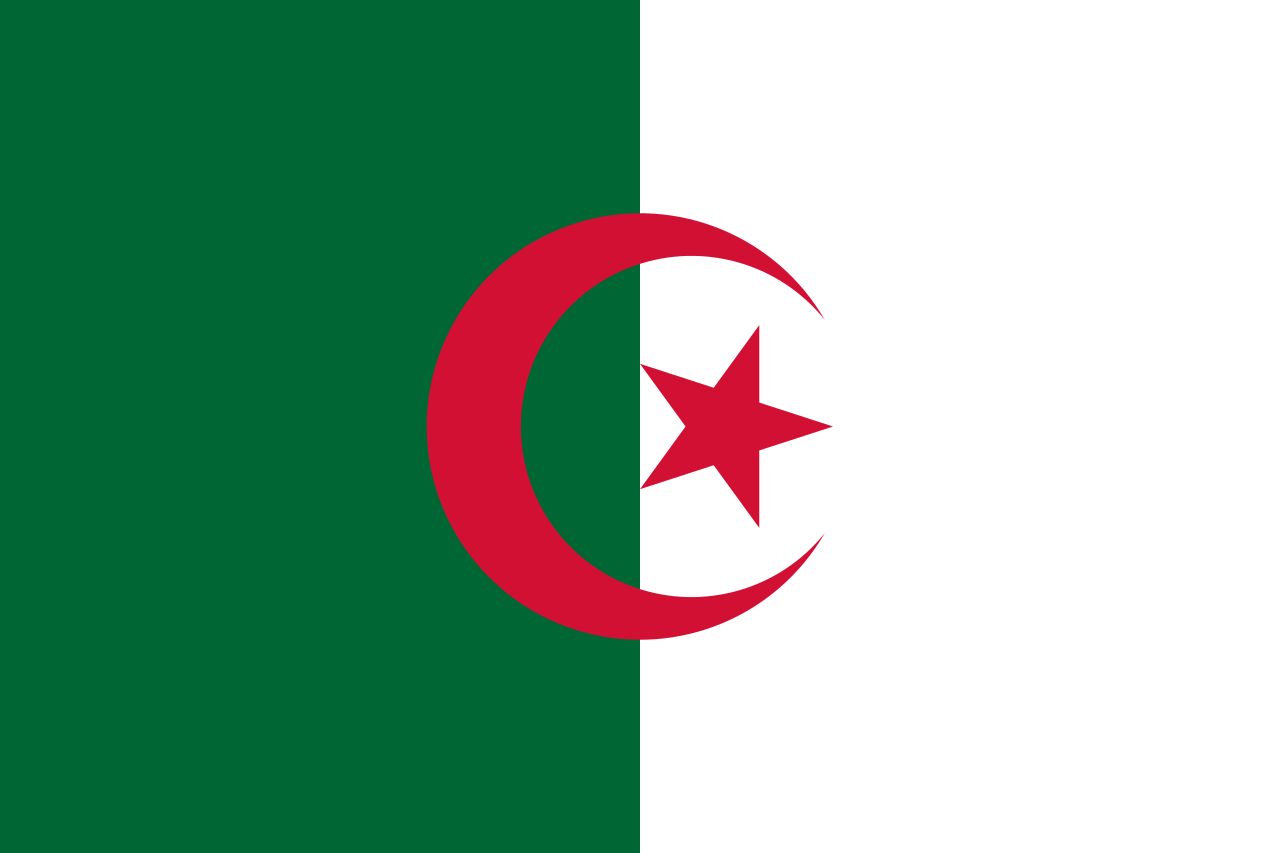
Algeria


Opens Google Maps in new tab
Geographic Extremes
Algeria's sheer size is its first defining characteristic, making it the tenth-largest country globally and the undisputed largest in Africa. Spanning 2,381,741 square kilometers, its geography is a study in dramatic contrasts. The dominant feature is the Sahara Desert, which covers over 80% of the territory.
This immense arid region is characterized by vast ergs (sand seas), regs (stony plains), and hammadas (rocky plateaus), creating a stark and often beautiful landscape. Temperatures here can be extreme, with scorching days and cold nights. However, the northern coastal strip, known as the Tell Atlas, offers a different environment.
This region enjoys a Mediterranean climate with hot, dry summers and mild, wet winters. It is here, in the fertile plains and mountainous areas, that the majority of Algeria's population resides, concentrated in cities like the capital, Algiers, which is strategically located on the Mediterranean coast. This geographical division has profoundly influenced settlement patterns, agriculture, and historical development.
A Tapestry of Civilizations
Algeria's history is a rich narrative woven from millennia of cultural exchange and political transformation. Its strategic location has made it a crossroads for numerous civilizations, including the Phoenicians, Romans, Vandals, and Byzantines, who left behind impressive archaeological remains. The arrival of Arab Muslim conquerors in the seventh century marked a pivotal shift, initiating centuries of Arab and Berber dynasties that shaped the region's identity.
The Regency of Algiers, established in the 16th century, became a significant power in the Mediterranean. However, French colonization, beginning in 1830, brought profound and often brutal changes, including mass European settlement and the displacement of the indigenous population. The struggle for independence was long and arduous, culminating in the Algerian War (1954-1962) and the establishment of the People's Democratic Republic of Algeria.
The nation has since navigated periods of political upheaval, including a civil war in the 1990s, and continues to assert its identity on the regional and global stage.
The Pulse of Society
With a population of approximately 47 million, Algeria is the tenth most populous country in Africa. The demographic landscape is characterized by a young population and a significant urban concentration, particularly in the north. The official languages are Arabic and Tamazight, reflecting the country's dual heritage.
Tamazight, the language of the indigenous Berber people, has gained official status, recognizing its historical importance. While the Algerian dialect of Arabic is the most widely spoken, French retains a significant presence in media, education, and business due to the colonial past. The overwhelming majority of Algerians (99%) are Sunni Muslims, and Islam plays a central role in the country's cultural and social fabric.
This blend of linguistic diversity and shared faith contributes to Algeria's unique cultural identity, marked by traditions that bridge ancient customs with contemporary influences.
Economic Engine
Algeria's economy is heavily reliant on its vast reserves of petroleum and natural gas, which are among the largest in the world. These hydrocarbon resources are the primary drivers of the national economy, making Algeria a key energy supplier, particularly to Europe. The state-owned company, Sonatrach, is a dominant force, not only in Algeria but also as one of Africa's largest corporations.
While the energy sector provides substantial revenue, Algeria is actively working to diversify its economy. Efforts are underway to boost sectors such as agriculture, particularly in the fertile northern regions, and to develop manufacturing and tourism. Despite challenges, Algeria maintains a strong position as a regional economic power and holds the third-largest economy in Africa, underpinned by its significant natural wealth and ongoing development initiatives.
Governance and Global Standing
Algeria operates as a semi-presidential republic, structured into 58 provinces (wilayas) and 1,541 communes. This administrative division reflects a centralized system of governance. The country is recognized as a significant regional power in North Africa and a middle power on the global stage.
Its influence is bolstered by its economic strength, particularly its energy exports, and its active participation in international organizations. Algeria is a founding member of the Arab Maghreb Union and holds membership in the African Union, the Arab League, the Organization of Islamic Cooperation (OIC), and the United Nations. As of recent assessments, Algeria boasts the highest Human Development Index in continental Africa, indicating progress in areas like health and education, and maintains a substantial military budget, underscoring its strategic importance and regional influence.
Go deeper
Based on content from Wikipedia · Licensed under CC BY-SA 4.0