

Strait
Images

Bering Strait



![USS Enterprise passes through the Strait of Gibraltar [Image 3 of 3]](https://live.staticflickr.com/8331/8122170540_79b0d66ea0_n.jpg)

The Hydrographic and Geomorphological Nature of Straits
Straits are defined by their hydrographic function: connecting two distinct water bodies, typically at the same surface elevation, allowing for bidirectional flow. However, the surrounding topography, often consisting of narrow landmasses, significantly constrains this flow, leading to predictable currents and tidal influences. These constrictions can create unique hydrodynamic conditions, affecting sediment transport and deposition.
Straits often serve as loci for sediment accumulation, with sand-sized particles forming subaqueous fans or deltas at their exits, shaped by the interplay of currents and seabed morphology. The depth and width of a strait are critical factors determining its navigability, with shallows, reefs, and complex bathymetry posing significant challenges to maritime traffic. Understanding these geomorphological characteristics is vital for both navigation and ecological studies.
Historical and Geopolitical Ramifications of Straits
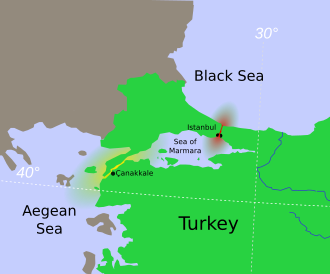
Throughout history, straits have been recognized as strategic 'chokepoints' – narrow passages where control can dictate access and influence regional power dynamics. Their historical significance is immense, shaping trade routes, migration patterns, and military campaigns. For example, the Bosporus and Dardanelles straits have historically controlled access between the Black Sea and the Mediterranean, leading to centuries of conflict and diplomatic maneuvering.
The Strait of Gibraltar, connecting the Atlantic Ocean to the Mediterranean Sea, has been a vital artery for trade and conquest since antiquity. Modern geopolitics continues to highlight the importance of straits, as disruptions to these passages can have far-reaching economic and security consequences, making their management and the freedom of navigation through them a persistent international concern.
Economic Engines
Economically, straits are indispensable to global commerce. They facilitate the movement of vast quantities of goods, reducing transit times and costs compared to circumnavigating continents. Major shipping lanes, such as the Strait of Malacca, handle a significant percentage of global trade volume.
This economic activity fuels the development of port cities and related industries, creating jobs and driving economic growth in the surrounding regions. The efficiency of these maritime arteries directly impacts global supply chains and the cost of goods worldwide. Furthermore, straits can be sites for critical infrastructure like undersea cables and pipelines, underscoring their multifaceted economic importance beyond just shipping.
Ecological Niches and Conservation Challenges
Straits often represent unique ecological transition zones, where waters from different seas mix, creating distinct habitats that support diverse marine life. These areas can be crucial migratory pathways for fish, marine mammals, and seabirds. The specific currents and sediment patterns can also influence the distribution of plankton and benthic organisms, forming specialized food webs.
However, the high level of maritime traffic and potential for pollution pose significant conservation challenges. Managing these sensitive ecosystems requires international cooperation to balance economic interests with the need to protect biodiversity and ensure the long-term health of these vital marine environments. Understanding the ecological dynamics of straits is crucial for sustainable management.
Education and Research
The study of straits is a multidisciplinary endeavor, involving oceanography, geography, history, and political science. Educational institutions and research bodies focus on understanding the complex physical processes within straits, such as current dynamics, sedimentology, and tidal influences. Historical research delves into the strategic importance and past conflicts associated with key straits, providing context for current geopolitical discussions.
Furthermore, the economic impact of straits on global trade and development is a subject of continuous study. Marine biology programs often investigate the unique ecosystems found in straits, contributing to conservation efforts. Educational initiatives also aim to raise awareness about the importance of maintaining freedom of navigation and protecting these vital waterways from environmental threats.
Go deeper
Frequently Asked Questions
What is a strait?+
Why are straits important for trade?+
How do straits affect the ocean?+
Where do people build important things in straits?+
Are straits safe for the environment?+
Based on content from Wikipedia · Licensed under CC BY-SA 4.0