

Atlas Mountains
Images
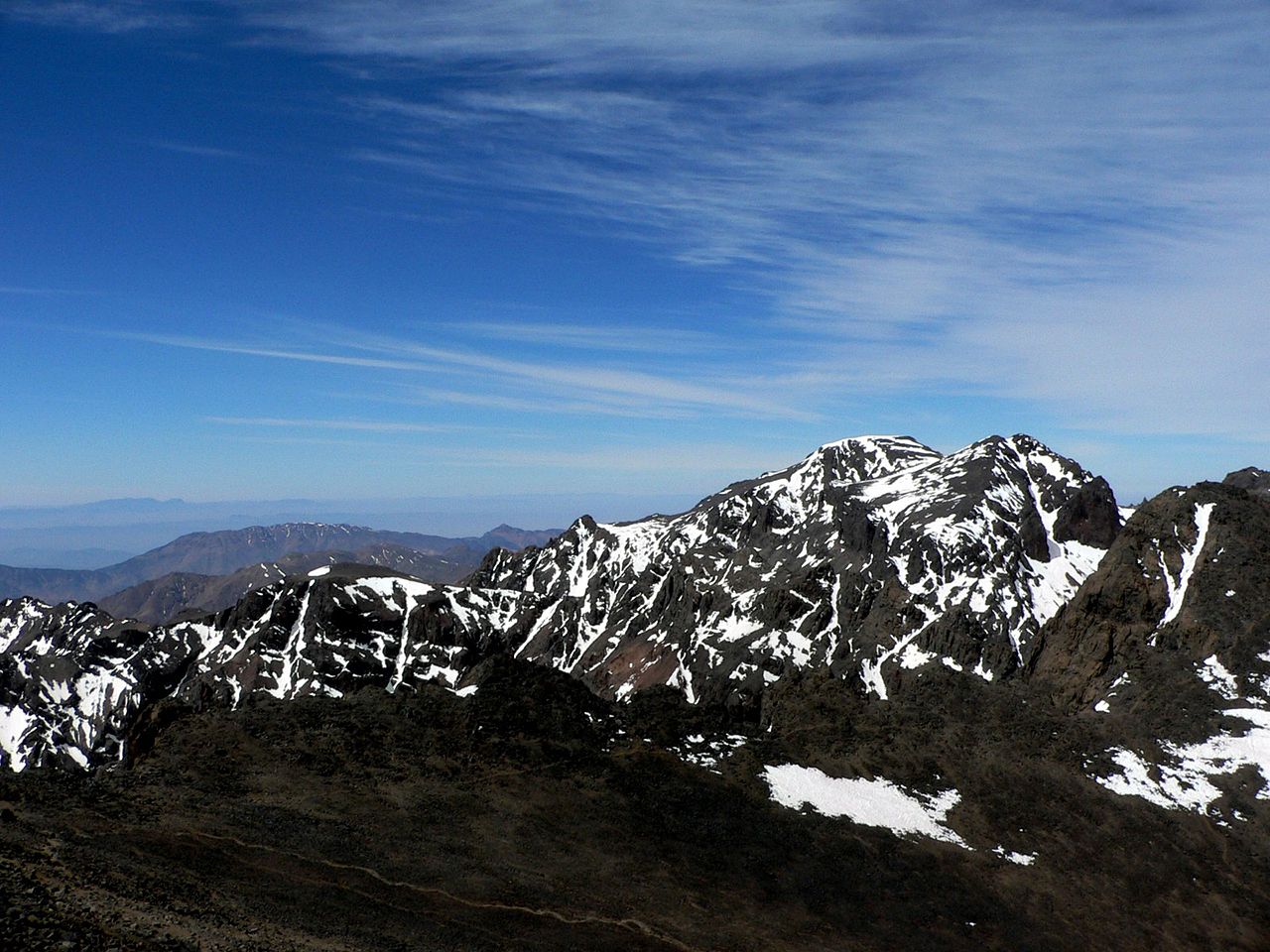
Atlas Mountains




Geological Architectures and Climatic Divides
The Atlas Mountains represent a significant geological feature of North Africa, extending approximately 2,500 kilometers (1,600 miles) across Morocco, Algeria, and Tunisia. This extensive range acts as a profound climatic and ecological divide. To the south, it forms a formidable barrier against the hyper-arid conditions of the Sahara Desert, significantly influencing precipitation patterns and temperature gradients across the continent.
To the north, it faces the Mediterranean Sea and the Atlantic Ocean, moderating coastal climates and contributing to the region's unique biogeography. The range's formation is a testament to complex tectonic activity, involving collisions and compressions between the African and Eurasian plates over millions of years, resulting in folded and faulted mountain structures. The highest summit, Mount Toubkal, at 4,167 meters (13,671 feet), is not merely a geographical high point but also a significant challenge for mountaineers, requiring considerable skill and preparation due to its rugged terrain and variable weather conditions.
Mythological Resonance and Linguistic Echoes
The nomenclature of the Atlas Mountains is deeply rooted in classical mythology and ancient linguistic connections. The association with the Titan Atlas, condemned in Greek mythology to bear the celestial sphere, imbues the mountain range with a sense of immense scale and enduring strength. This mythological link is further reinforced by linguistic evidence; terms for 'mountain' in several Berber languages, such as 'Adrar,' are considered cognates of 'Atlas.' This suggests a historical and cultural continuity where the name of the mountains reflects a profound, perhaps even primordial, relationship between the indigenous peoples and their mountainous environment.
The Berber languages themselves are a vital part of the region's cultural heritage, with the mountains serving as a cradle for their development and preservation over centuries.
Ecological Significance and Conservation Imperatives
The Atlas Mountains harbor a remarkable level of biodiversity, serving as a crucial ecological bridge between African and European biomes. The range supports a diverse array of plant and animal species, many of which are adapted to its varied microclimates, from Mediterranean scrublands to alpine meadows. This unique ecological mosaic includes species that are found nowhere else on Earth.
However, this rich natural heritage is under considerable pressure. Many endemic species are classified as endangered, facing threats from habitat fragmentation, climate change, and human activities. The historical presence of species like the Barbary leopard and the Atlas bear, now extinct, serves as a stark reminder of the fragility of this ecosystem and the urgent need for robust conservation strategies to protect its remaining unique wildlife and botanical treasures.
The Enduring Berber Identity and Socio-Economic Fabric
The Atlas Mountains have been the ancestral homeland of the Berber (Amazigh) people for millennia, shaping their distinct cultural identity, social structures, and economic practices. The Berber populations have developed sophisticated adaptations to the mountainous terrain, including traditional agricultural techniques like terracing, pastoralism, and intricate water management systems. Their culture is characterized by a rich oral tradition, unique artistic expressions, and a strong sense of community resilience.
Despite external influences and modernization, Berber culture remains a vibrant force in the region, contributing significantly to the cultural mosaic of North Africa. The socio-economic landscape of the Atlas Mountains is diverse, with traditional livelihoods coexisting with emerging sectors such as tourism, which highlights the natural beauty and cultural heritage of the range.
Challenges and Opportunities
In contemporary times, the Atlas Mountains present both challenges and opportunities. The rugged terrain and climatic variability can pose obstacles to infrastructure development and economic diversification. However, the region's natural beauty and cultural richness offer significant potential for sustainable tourism, which can provide economic benefits while promoting cultural preservation.
Furthermore, the mountains play a critical role in water resource management for the surrounding regions, making their ecological health paramount. Ongoing efforts in conservation, sustainable development, and cultural heritage preservation are essential for ensuring the long-term well-being of both the environment and the communities that call the Atlas Mountains home. Understanding the Atlas Mountains requires appreciating its multifaceted role as a geological marvel, an ecological hotspot, and a living repository of ancient human history.
Go deeper
Frequently Asked Questions
What are the Atlas Mountains and where are they located?+
Why are the Atlas Mountains important for the climate?+
How high is the tallest mountain in the Atlas Mountains?+
What kinds of animals and plants live in the Atlas Mountains?+
Why do the Atlas Mountains have a special name and connection to the Berber people?+
Based on content from Wikipedia · Licensed under CC BY-SA 4.0