

Mohave County, Arizona
Images

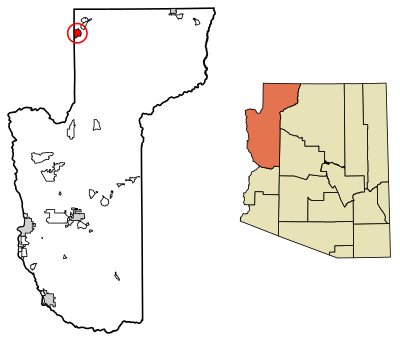
Mohave County Arizona Incorporated and Unincorporated areas Truxton Highlighted 0475590




The Colossal Canvas
Mohave County occupies a significant geographical position in the northwestern quadrant of Arizona, serving as a critical interface between the American Southwest and the Mojave Desert. Its sheer scale is remarkable, ranking as the fifth largest county in the United States by area. This vast expanse encompasses a diverse array of landscapes, from the arid, rugged terrain characteristic of the Mojave Desert, marked by extreme temperatures and sparse vegetation, to the life-giving waters of the Colorado River and its associated reservoirs, most notably Lake Mead.
The county contains portions of globally recognized natural treasures, including the Grand Canyon National Park and the Lake Mead National Recreation Area, alongside the entirety of the Grand Canyon-Parashant National Monument. This unique juxtaposition of desert and water, canyon and plain, creates a complex ecological system and dictates much of the region's climate, which is predominantly hot and arid, with significant diurnal temperature variations.
The county is also recognized as the Lake Havasu City–Kingman, Arizona Metropolitan Statistical Area, highlighting its role as a regional center.
Chronicles of the Colorado
The historical narrative of Mohave County is deeply interwoven with the indigenous peoples who have inhabited this land for millennia. The Hualapai, Havasupai, and Mojave tribes, among others, established enduring cultural and spiritual connections to the region, their traditions and lifeways shaped by the dramatic environment. The establishment of their reservations within the county today stands as a testament to their continued presence and sovereignty.
European exploration and subsequent American expansion brought new waves of settlers, drawn by the allure of resources and the potential for development. The establishment of Kingman as the county seat in the late 19th century marked a formal administrative presence. The development of vital transportation networks, including the railroad and later highways, was crucial in connecting this expansive territory, facilitating commerce, and enabling population growth.
The legacy of mining, ranching, and the strategic importance of the Colorado River have all shaped Mohave County's historical evolution into a dynamic frontier.
Culture and Demographics in Mohave
Mohave County presents a rich cultural tapestry, characterized by the enduring presence of Native American tribes and the diverse populations that have settled in its communities. English serves as the predominant language, yet the linguistic heritage of the Hualapai, Havasupai, and Mojave peoples remains a vital component of the county's cultural identity, with their languages continuing to be spoken within their respective reservations.
These reservations, including the Kaibab, Fort Mojave, and Hualapai Indian Reservations, are not merely geographical areas but centers of distinct cultural practices, governance, and community life. Beyond these indigenous communities, cities like Lake Havasu City offer unique cultural attractions, such as the transplanted London Bridge, which draws international tourism and contributes to the city's distinctive character. The county's demographic makeup reflects a blend of long-term residents, retirees drawn to the climate, and individuals seeking opportunities in its growing economic sectors, creating a dynamic social environment.
The Economic Landscape
The economic engine of Mohave County is multifaceted, significantly driven by its extraordinary natural assets and its strategic position within the southwestern United States. Tourism represents a cornerstone of the local economy, capitalizing on the immense draw of iconic destinations like the Grand Canyon National Park and the recreational opportunities afforded by Lake Mead. These natural wonders attract millions of visitors annually, supporting a robust hospitality sector encompassing hotels, restaurants, and a wide array of outdoor recreation enterprises.
Furthermore, Mohave County serves as a critical transportation and logistics hub, with major interstate highways and rail lines traversing its territory, facilitating the movement of goods and commerce. While historical industries such as mining and agriculture have contributed to its development, the contemporary economy is increasingly diversified, with significant contributions from service industries, healthcare, and construction. The county's status as a Metropolitan Statistical Area underscores its role as a center for economic activity and employment for a broad surrounding region.
Governance and Education
The governance of Mohave County operates within the framework of Arizona state law, with a county board of supervisors serving as the primary legislative and executive body. This board is responsible for overseeing county services, managing the budget, and enacting local ordinances. The county seat, Kingman, houses the administrative functions and key government offices.
In addition to county-level government, incorporated cities and towns within Mohave County, such as Lake Havasu City, have their own municipal governments responsible for local services like police, fire departments, and public works. Education is a vital component of the county's infrastructure, with a public school system that serves a geographically dispersed student population. Mohave Community College provides post-secondary educational opportunities, offering vocational training and associate degrees, preparing residents for the local workforce and fostering lifelong learning.
The presence of these educational institutions is crucial for the development and well-being of the county's residents.
See also
Frequently Asked Questions
What is Mohave County known for?+
Why is the Grand Canyon in Mohave County?+
How do people travel in Mohave County?+
Where do Native American tribes live in Mohave County?+
What makes Lake Havasu City special?+
Based on content from Wikipedia · Licensed under CC BY-SA 4.0