

The Temple Menorah: A Golden Light!
Images

Happy Chanukah: Snow Covered Chanukah Menorah

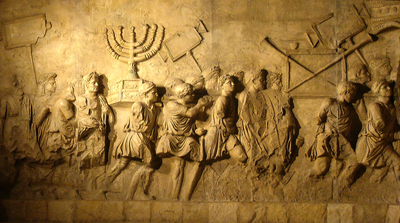


The Golden Luminary of Jerusalem's Sacred Space
The Temple Menorah, a monumental artifact of ancient Israelite worship, was far more than a mere lamp. Described in meticulous detail within biblical texts, particularly Exodus, it was a seven-branched candelabrum wrought from pure gold. Its intended location was the Holy Place within both the First Temple (Solomon's) and the Second Temple, serving as a perpetual source of light.
The intricate design, hammered from a single talent of gold, spoke to its immense value and sacred status. The continuous burning of its oil was not just practical but deeply symbolic, representing the unending presence of God and the divine light that illuminated the world. Its radiant glow transformed the Temple's interior into a space of profound holiness, facilitating worship and spiritual connection for the priests and pilgrims who entered its precincts.
From Sinai's Revelation to Temple's Sanctum
The genesis of the Temple Menorah is divinely ordained, originating from instructions given to Moses on Mount Sinai during the Exodus from Egypt. Initially housed in the portable Tabernacle, it accompanied the Israelites through their desert sojourn. Upon the construction of the First Temple by King Solomon, the Menorah was given a permanent and central place.
Following the Babylonian destruction of the First Temple and subsequent exile, a new Menorah was commissioned for the Second Temple, reflecting the continuity of Jewish tradition and worship. The transmission of this sacred object through periods of destruction and rebuilding underscores its profound importance as a unifying symbol of the Israelite nation and their enduring faith across centuries of historical upheaval.
A Multifaceted Symbol of Divine Covenant and Creation
The symbolic resonance of the Temple Menorah is rich and multifaceted. Its seven lamps have been interpreted in numerous ways, commonly associated with the seven days of creation, representing divine order and the completion of God's work. It also symbolizes the seven heavens or the seven days of the week, linking the earthly realm to the divine.
The perpetual flame embodied the eternal nature of God's light and His unwavering covenant with the people of Israel. Beyond its theological implications, the Menorah served as a potent emblem of national identity, spiritual sovereignty, and the hope for divine guidance and redemption. Its presence in the Temple was a constant affirmation of Israel's unique relationship with the divine and its role as a light unto the nations.
The Artistry and Ritual of the Golden Lamp
The meticulous craftsmanship required to fashion the Temple Menorah from a single talent of pure gold highlights its unparalleled significance. The biblical description emphasizes its hammered construction, suggesting an extraordinary level of skill and devotion. The precise dimensions and proportions were not arbitrary but were part of the divine blueprint, ensuring its perfect integration into the Temple's sacred architecture.
The ritualistic aspect of its maintenance was equally crucial. Priests were responsible for trimming the wicks and replenishing the oil daily, ensuring the lamps burned continuously. This daily act of tending the sacred flame was a vital component of Temple service, reinforcing the ongoing connection between the people and the divine.
Enduring Iconography and Modern Resonance
Although the original Temple Menorah was lost following the destruction of the Second Temple by the Romans in 70 CE, its image and symbolism have profoundly influenced Jewish culture and art. The seven-branched menorah has become an enduring icon of Judaism, frequently depicted in synagogue architecture, Jewish art, and official state symbols, such as the emblem of modern Israel. While distinct from the Hanukkah menorah (which typically has nine branches to commemorate the miracle of the oil), the latter draws its inspiration and name from the Temple Menorah, perpetuating the theme of miraculous light and divine intervention.
The legacy of the Temple Menorah continues to resonate, serving as a powerful reminder of ancient faith, historical continuity, and the enduring quest for divine illumination.
See also
Frequently Asked Questions
What is the Temple Menorah?+
Why was the Temple Menorah made of gold?+
How many lamps did the Temple Menorah have?+
Where was the Temple Menorah kept?+
Why did priests keep the flame burning all the time?+
Based on content from Wikipedia · Licensed under CC BY-SA 4.0