

Book
Images
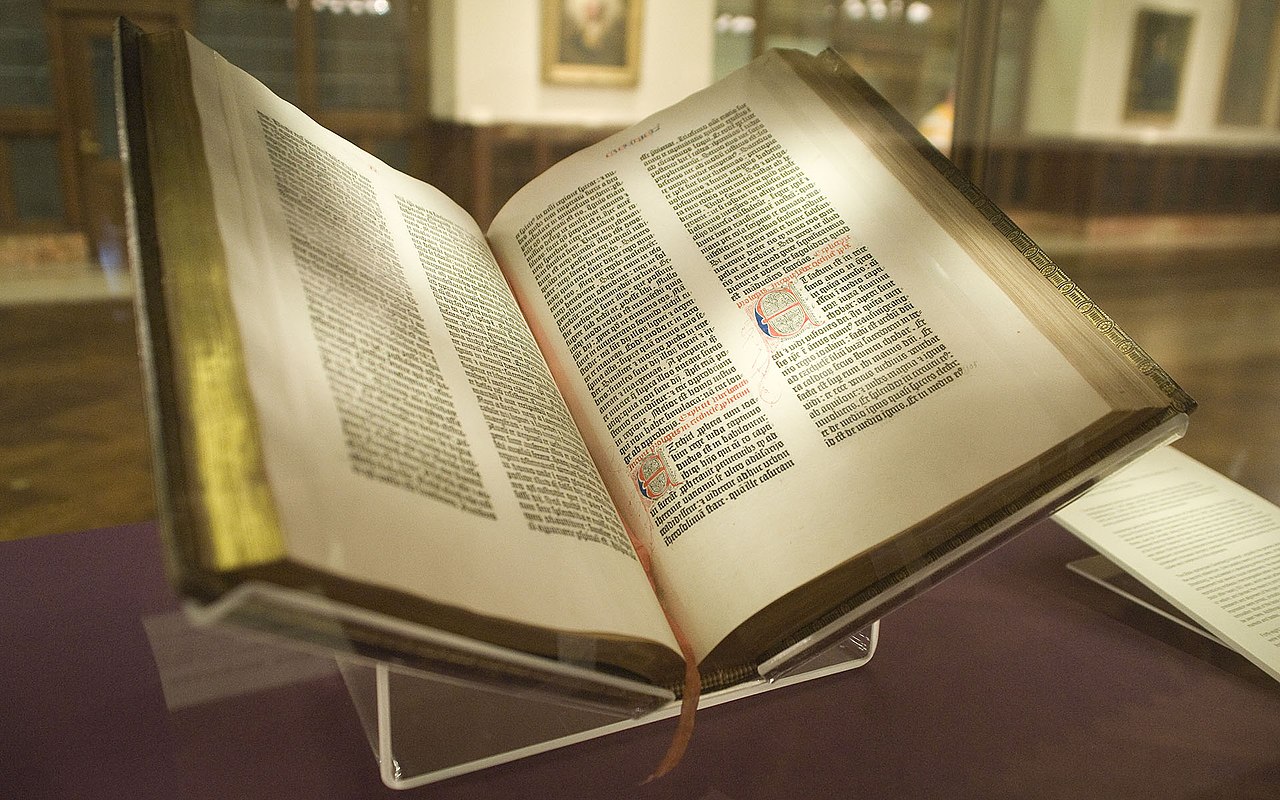
Book
The Genesis of the Book
The concept of the book is intrinsically linked to humanity's drive to record and disseminate information. Early forms of writing, such as cuneiform on clay tablets (Mesopotamia, c. 4th millennium BCE) and hieroglyphs on papyrus (Egypt, c. 3rd millennium BCE), served as precursors. These methods, while effective for their time, were often cumbersome and limited in portability.
The development of the codex, a collection of sheets bound along one edge, marked a pivotal transformation. Originating in the Roman world around the 1st century CE and gaining prominence by the 4th century CE, the codex offered significant advantages over the scroll: easier navigation, random access to content, greater durability, and more efficient use of space. The invention of paper in China (c. 105 CE) was a crucial enabler, providing a more affordable and versatile medium than parchment or papyrus.
The subsequent spread of papermaking technology westward, particularly through the Islamic world, laid the groundwork for mass production and wider literacy.
The Book as a Catalyst for Civilization and Intellectual Growth
The book has been an unparalleled engine for the advancement of human civilization. It serves as the primary repository of collective knowledge, enabling the accumulation and transmission of scientific discoveries, philosophical ideas, historical accounts, and artistic expressions across generations and geographical boundaries. The printing press, invented by Johannes Gutenberg in the mid-15th century, democratized access to information, dramatically reducing the cost and increasing the speed of book production.
This led to the Renaissance, the Reformation, and the Scientific Revolution, all fueled by the wider availability of texts. Books foster critical thinking, empathy, and imagination by exposing readers to diverse perspectives and complex narratives. They are instrumental in education, shaping curricula and providing the foundational texts for learning.
Furthermore, books have been powerful agents of social and political change, disseminating revolutionary ideas and galvanizing movements.
The Anatomy of a Book
The creation of a book is a sophisticated interplay of authorship, editorial refinement, design, and manufacturing. An author's manuscript undergoes rigorous editing to ensure clarity, accuracy, and coherence. For illustrated books, illustrators collaborate with authors and editors.
The design phase involves typesetting, page layout, and cover design, often utilizing advanced digital software. Historically, printing involved movable type and hand-operated presses. Today, offset printing and digital printing technologies allow for efficient mass production.
Once printed, the pages (often in folded sections called signatures) are assembled and bound. Binding methods range from simple saddle-stitching for thin booklets to complex case binding for hardcover books, employing adhesives or sewing to secure the pages. This meticulous process transforms raw text and images into a durable, accessible artifact.
The Enduring Relevance of the Book in the Digital Epoch
Despite the proliferation of digital media, the book, in both its physical and electronic forms, retains profound relevance. E-books and audiobooks offer convenience and accessibility, expanding the reach of literature and information. However, the physical book continues to hold cultural and aesthetic value, offering a tactile experience and a respite from screen fatigue.
Libraries remain vital public institutions, providing equitable access to knowledge and fostering community engagement. Bookstores serve as cultural hubs for discovery and discussion. The book's role in education is foundational, providing structured learning pathways.
Moreover, the enduring power of narrative and the depth of inquiry facilitated by books ensure their continued importance in shaping individual understanding, cultural discourse, and the trajectory of human progress. The book, in its myriad forms, remains a cornerstone of intellectual and cultural life.
Go deeper
Based on content from Wikipedia · Licensed under CC BY-SA 4.0