

Moses: The Great Leader
Images
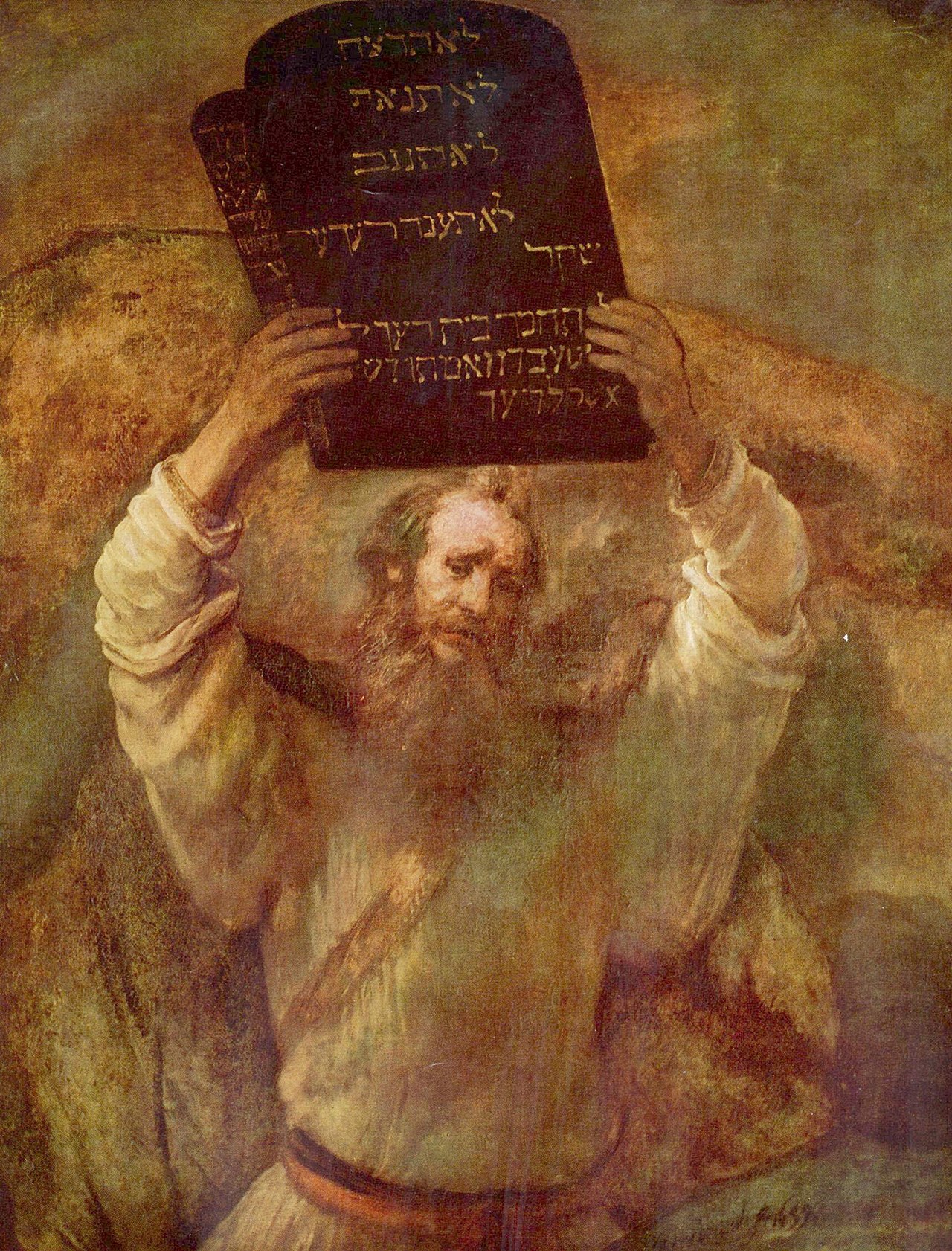
Moses
The Paradoxical Origins of a Liberator
Moses's narrative begins with a profound paradox: a future liberator of the oppressed Israelites raised within the very system of their oppression, the Egyptian court. His birth during a period of intense persecution, marked by Pharaoh's genocidal decree against Hebrew male infants, necessitates his clandestine rescue. His placement in a reed basket on the Nile, a precarious act of maternal defiance, leads to his discovery by Pharaoh's daughter, an ironic twist of fate that secures his survival and education.
This upbringing, steeped in Egyptian culture and likely royal training, provides him with the rhetorical and organizational skills that would later prove indispensable. However, his identity remains a latent force until his encounter with injustice as an adult. The killing of an Egyptian taskmaster, an impulsive act stemming from empathy for his enslaved brethren, forces him into exile.
This flight to Midian is not merely an escape but a crucible, transforming him from a prince into a shepherd, a role that fosters humility, patience, and a deep connection with the land and its people, preparing him for a divine calling he initially resists.
The Theophany at Horeb and the Reluctant Prophet
The divine encounter at Mount Horeb (also known as Sinai) is the linchpin of Moses's prophetic career. The burning bush, a symbol of God's immanent yet unconsuming presence, serves as the stage for God's self-revelation and the commissioning of Moses. The divine name, YHWH (often translated as 'I Am Who I Am'), signifies God's eternal, self-existent nature and His covenantal relationship with Israel.
Moses's repeated objections-his perceived inadequacy in speech, his fear of Pharaoh, and his general lack of confidence-highlight the human element in divine service. God's responses are not merely reassurances but empowerments: the promise of His presence, the delegation of Aaron as spokesperson, and the provision of miraculous signs. This dialogue underscores a fundamental theological principle: divine calling often falls upon those who feel least equipped, relying on God's strength rather than human capability.
The ensuing confrontation with Pharaoh, marked by escalating plagues, demonstrates the clash between divine sovereignty and human obstinacy, ultimately leading to the liberation of the Israelites.
The Exodus
The Exodus is more than just a historical event; it is the foundational narrative of Israelite identity and a paradigm of divine liberation. The escape from Egypt, culminating in the miraculous parting of the Red Sea, represents a decisive break from bondage and the establishment of a new covenantal relationship between God and His people. The sheer scale of the event-traditionally numbering in the hundreds of thousands, if not millions, of people-underscores the magnitude of God's intervention.
The subsequent forty-year wilderness sojourn, while fraught with hardship and rebellion, served as a critical period of formation. It was during this time that the Israelites transitioned from a collection of enslaved individuals into a distinct nation, bound by shared experience and divine law. The wilderness became a space for purification, testing, and the development of a unique religious and social structure, centered around the Tabernacle and the covenantal laws revealed through Moses.
The Lawgiver and the Architect of Israelite Society
Moses's role extends far beyond that of a liberator; he is the preeminent lawgiver of Israel. The reception of the Ten Commandments on Mount Sinai is the cornerstone of this legal authority, establishing fundamental ethical and religious principles. However, the Pentateuch (the first five books of the Bible, traditionally attributed to Moses) details a comprehensive legal corpus, encompassing civil, criminal, and ritual law.
These laws, often referred to collectively as the Torah, were designed to regulate every aspect of Israelite life, fostering a just society, maintaining ritual purity, and ensuring a unique relationship with their covenantal God. Moses is depicted not only as receiving these laws but also as interpreting and implementing them, mediating disputes, and establishing a judicial system. His leadership in constructing the Tabernacle, the mobile sanctuary, further illustrates his role as an architect of Israelite religious practice, providing a tangible locus for God's presence among His people.
His legacy is thus inextricably linked to the legal and religious framework that has profoundly influenced Judaism, Christianity, and Islam.
Moses's Enduring Legacy and Interpretations
Moses's influence transcends ancient history, resonating through millennia of religious and cultural thought. As the quintessential prophet, lawgiver, and liberator, he serves as a model for leadership, divine communication, and the struggle against oppression. His story is a touchstone for understanding the development of monotheism, the concept of covenant, and the importance of divine law.
In Jewish tradition, he is revered as the greatest of prophets, the mediator of the Torah, and the one through whom God's ultimate revelation was given. Christian theology often views Moses as a prefiguration of Jesus Christ, particularly in his role as a mediator and deliverer. Islamic tradition recognizes Moses (Musa) as a major prophet, one of the most important figures in the Quran, who received divine scripture (the Tawrat, or Torah). The enduring power of the Exodus narrative continues to inspire movements for social justice and liberation worldwide, demonstrating the timeless relevance of Moses's struggle and his unwavering commitment to his people's freedom and spiritual well-being.
Go deeper
Frequently Asked Questions
What is Moses known for?+
How did Moses become a leader?+
Why did Moses have a burning bush?+
How did Moses help the Israelites leave Egypt?+
What happened to the Israelites in the desert?+
Based on content from Wikipedia · Licensed under CC BY-SA 4.0