

Aswan: Egypt's Sunny City by the Nile!
Images
Aswan


Geostrategic Significance and Environmental Dynamics
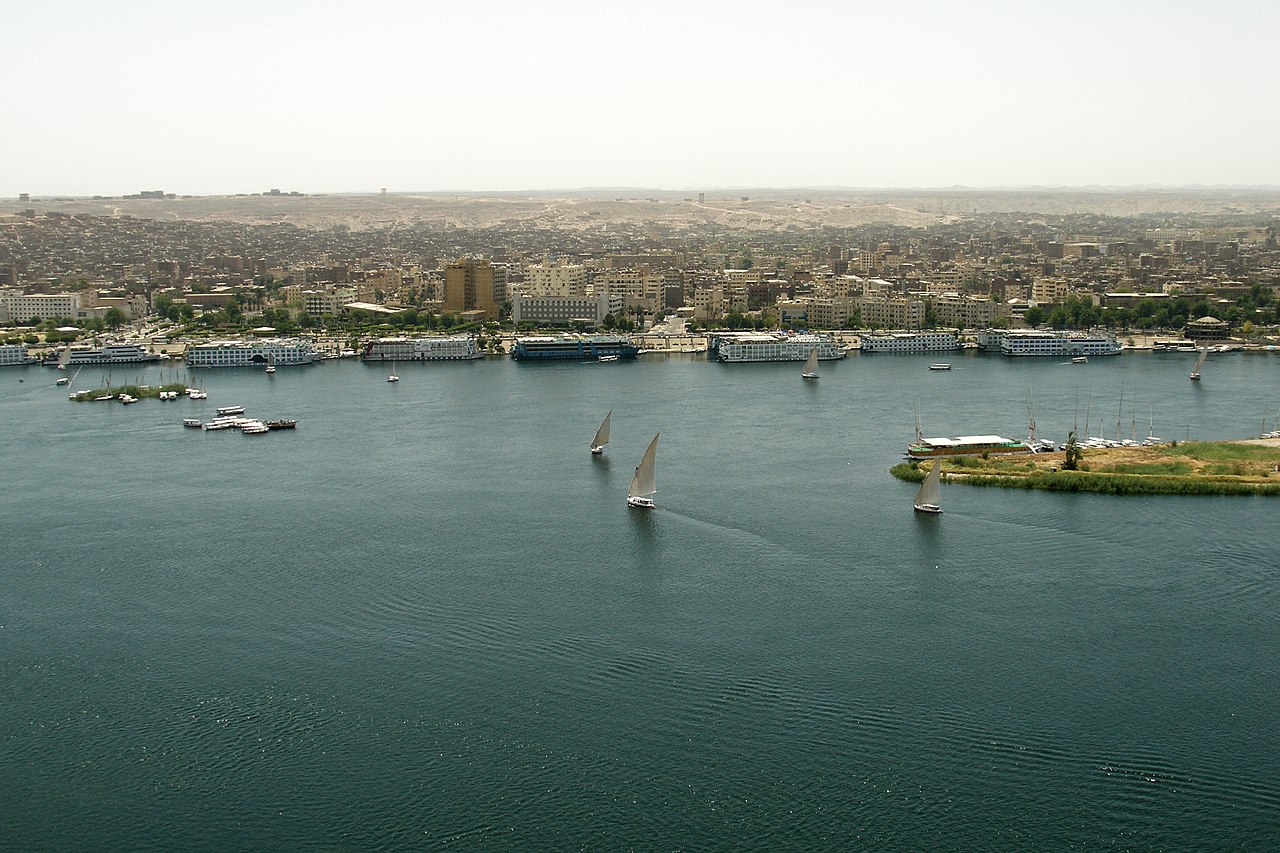
Aswan's geographical placement in Upper Egypt, precisely on the eastern bank of the Nile at the first cataract, has historically dictated its strategic importance. This location marked the southern frontier of Ancient Egypt, controlling access to trade routes and resources further south. The Nile itself, the lifeblood of Egypt, has shaped Aswan's development, providing water, fertile land, and a crucial transportation artery.
The climate is characterized by extreme aridity and high solar radiation, making it an ideal location for solar energy projects, a modern economic consideration. The city's expansion to encompass Elephantine Island, a site of ancient settlements and archaeological significance, reflects its continuous evolution from a frontier outpost to a major urban center. The presence of the first cataract, while historically a navigational challenge, also presented opportunities for resource exploitation and defense.
A Legacy Carved in Stone
The historical narrative of Aswan is inextricably linked to its geological wealth, particularly its granite quarries. For over 2,600 years of recorded history, these quarries have been a primary source of high-quality granite, essential for the construction of monumental architecture across ancient Egypt. The sheer scale of these operations is evident in sites like the Unfinished Obelisk, a colossal stone structure still attached to the bedrock, offering unparalleled insight into ancient quarrying techniques.
This enduring connection to stone has shaped Aswan's identity, making it a living museum of ancient craftsmanship. The continuous operation of these quarries into the modern era underscores their lasting economic and historical significance, bridging millennia of human activity and technological adaptation in stone extraction and utilization.
Cultural Preservation and Creative Innovation
Aswan is a custodian of rich cultural heritage, recognized globally through its inclusion in the UNESCO World Heritage Site of the Nubian Monuments. This designation encompasses significant archaeological sites like the tombs of Qubbet el-Hawa and the town of Elephantine, preserving the legacy of ancient civilizations. The Nubian Museum stands as a crucial institution, housing artifacts rescued during the monumental efforts to save Nubian heritage before the flooding caused by the Aswan High Dam.
This dam, while vital for Egypt's development, necessitated extensive archaeological salvage operations, highlighting the complex interplay between progress and preservation. Aswan's designation within the UNESCO Creative Cities Network for Craft and Folk Art further emphasizes its role in maintaining and evolving traditional artistic practices, showcasing a dynamic cultural landscape that honors its past while embracing contemporary expression.
Economic Drivers
The economic landscape of Aswan is multifaceted, drawing strength from both its historical assets and contemporary opportunities. Tourism remains a cornerstone, capitalizing on the city's unique blend of ancient wonders, archaeological sites, and its reputation as a desirable winter destination. The enduring granite quarrying industry continues to be a significant economic contributor, supplying materials for construction and artistic endeavors, and maintaining a direct link to the city's ancient economic foundations.
Aswan also functions as a vital commercial hub, facilitating trade along the Nile corridor. The city's integration into the UNESCO Global Network of Learning Cities signals a commitment to fostering educational development and lifelong learning, potentially driving innovation and diversifying its economic base beyond traditional sectors. This strategic approach aims to ensure Aswan's continued prosperity and relevance in the 21st century.
Governance and Educational Aspirations
As the capital of the Aswan Governorate, the city operates within Egypt's national governance framework, with local administration responsible for public services, infrastructure, and regional development planning. The governorate structure ensures that Aswan's specific needs and opportunities are addressed within the broader national context. Educationally, Aswan is actively pursuing development, evidenced by its inclusion in the UNESCO Global Network of Learning Cities.
This membership signifies a commitment to leveraging education as a tool for sustainable urban development, social inclusion, and economic progress. It encourages the sharing of best practices in lifelong learning initiatives, aiming to enhance the skills and knowledge of its citizens and foster a more resilient and adaptable community. This focus on education is crucial for navigating the complexities of modernization while preserving its unique cultural heritage.
Go deeper
Frequently Asked Questions
What makes Aswan a sunny city?+
Why was Aswan important in ancient Egypt?+
What is the Unfinished Obelisk?+
How did the Aswan High Dam affect the city?+
What can visitors see in Aswan today?+
Based on content from Wikipedia · Licensed under CC BY-SA 4.0