

Long Pepper: The Spicy Stick!
Images
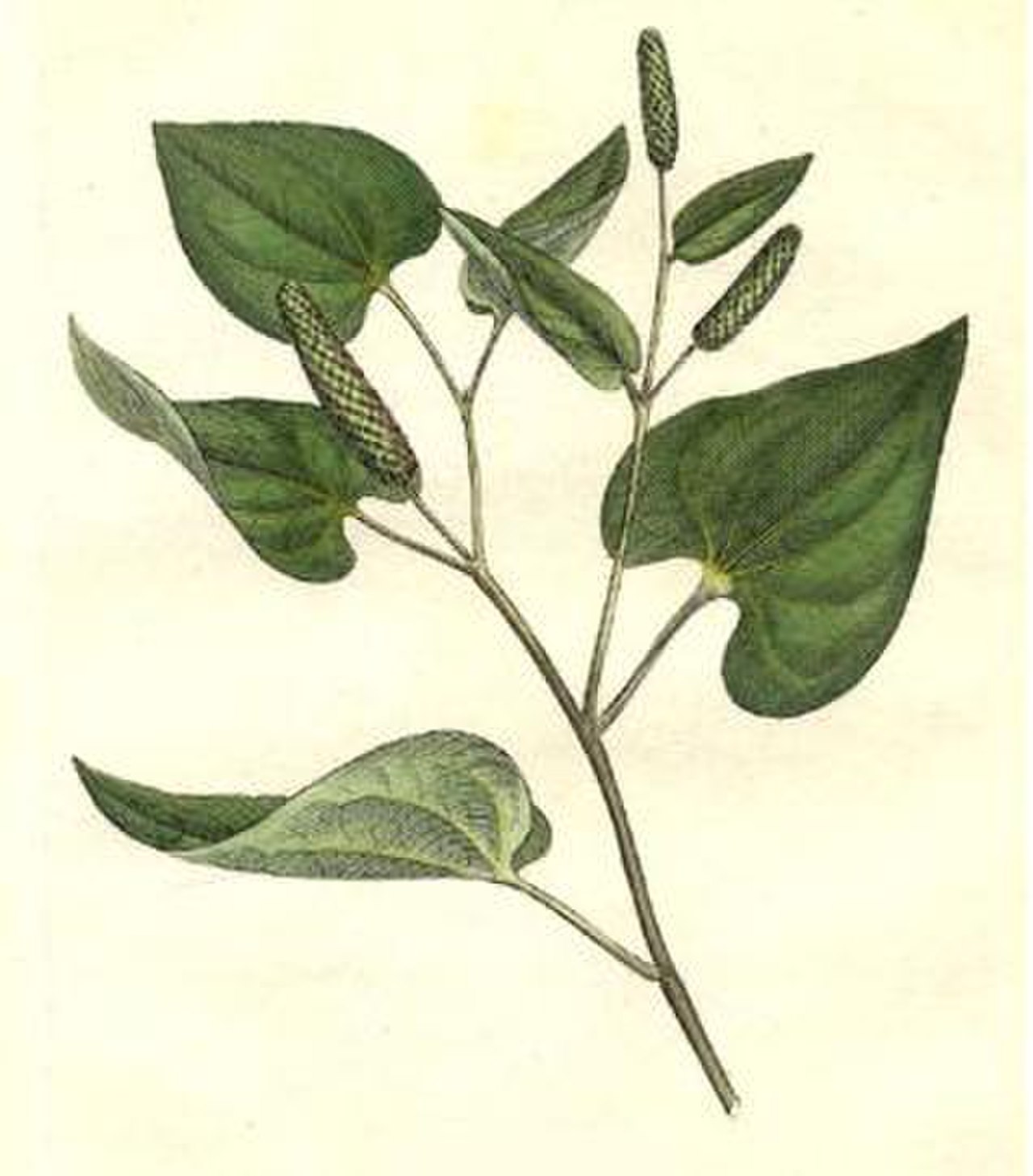
Long pepper
Botanical Identity and Sensory Characteristics of Piper Longum
Long pepper, botanically classified as Piper longum, is a perennial flowering vine belonging to the Piperaceae family, the same family as black pepper (Piper nigrum). Its fruit is morphologically distinct, presenting not as individual berries but as a dense, elongated spike composed of numerous minuscule drupes, each approximately the size of a poppy seed, embedded within the surface of a fleshy spike. This structure closely resembles a hazel tree catkin, a unique characteristic that sets it apart visually.
The dried fruit is the commercially valuable part, utilized as a spice. Its flavor profile is a complex interplay of sweetness, pungency, and a subtle bitterness, often described as more nuanced and sweeter than black pepper, with a distinct warming sensation. This complexity is attributed to its piperine content, the same alkaloid responsible for the pungency in Piper nigrum, but in long pepper, it contributes to a more rounded and lingering heat.
Another species, Piper retrofractum, native to Java, Indonesia, shares the common name 'long pepper' and its fruits are sometimes confused with chili peppers, highlighting the importance of precise botanical identification.
Echoes of Antiquity
The historical significance of long pepper is profound, predating the widespread global trade of black pepper. Ancient texts from India, Greece, and Rome document its use as both a culinary spice and a medicinal agent. It was among the earliest spices to be introduced to Europe, featuring prominently in the pharmacopoeias of Hippocrates and Galen, who utilized it for its perceived therapeutic properties.
During the Middle Ages, long pepper was a highly valued commodity, often commanding higher prices than black pepper due to its rarity and potent flavor. Its presence in historical trade routes underscores its economic importance and its role in shaping global culinary traditions. The decline in its popularity in Western cuisine coincided with the increased availability and lower cost of black pepper, yet long pepper has maintained its status in various Asian cuisines, particularly in India and Southeast Asia, where its unique flavor continues to be appreciated.
The Enduring Significance of Long Pepper in Modern Gastronomy
In contemporary culinary contexts, long pepper represents an opportunity for innovation and a connection to historical flavors. Its distinct taste profile offers chefs and home cooks a way to move beyond the conventional. The sweet, spicy, and slightly smoky notes can elevate a wide range of dishes, from traditional Indian curries and slow-cooked meats to modern fusion cuisine, artisanal chocolates, and craft beverages.
Its ability to provide a warming sensation without the sharp, aggressive heat of chili peppers makes it a versatile ingredient for balancing complex flavor profiles. Furthermore, the resurgence of interest in heirloom ingredients and historical culinary practices has brought long pepper back into the spotlight. It serves as a reminder of the diverse and rich history of spices and offers a unique sensory experience that can intrigue and delight the modern palate, encouraging a deeper exploration of global food heritage.
Biochemical Basis of Pungency and Botanical Distinctions
The characteristic pungency of long pepper is primarily due to the presence of piperine, a bioactive alkaloid. Piperine is a known irritant that activates the transient receptor potential vanilloid 1 (TRPV1) channel in sensory neurons, which is responsible for detecting heat and pain, thus contributing to the warming sensation. While Piper longum and Piper nigrum both contain piperine, variations in the concentration and synergistic effects with other phytochemicals likely contribute to their distinct flavor profiles.
The botanical distinction between Piper longum and Piper retrofractum is also noteworthy. Piper retrofractum, often referred to as Javanese long pepper, is native to Southeast Asia and its fruit spikes can be visually similar. However, it is crucial to differentiate these from chili peppers, which belong to the genus Capsicum.
Chili peppers, originating from the Americas, contain capsaicinoids, such as capsaicin, as their primary pungent compounds, which interact with TRPV1 channels differently than piperine, resulting in a distinct type of heat.
See also
Frequently Asked Questions
What is long pepper and how does it look?+
How does long pepper taste compared to black pepper?+
Where does long pepper grow?+
Why was long pepper important in history?+
How can I use long pepper in cooking?+
Based on content from Wikipedia · Licensed under CC BY-SA 4.0