

Spice
Images
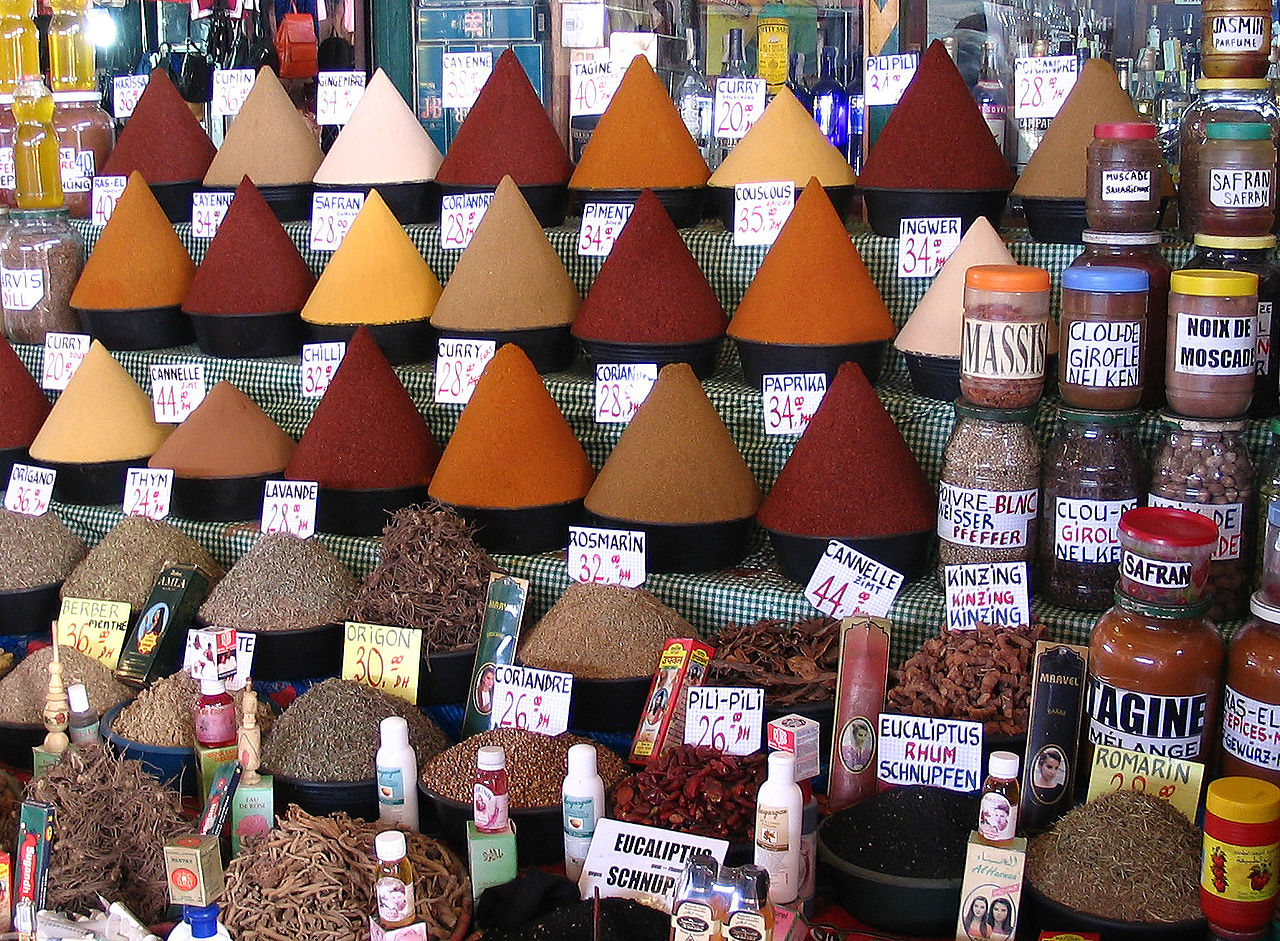
Spice
The Botanical Basis and Chemical Symphony of Spice
Spices are derived from various dried parts of aromatic plants, excluding the leafy green portions typically classified as herbs. Their sensory impact stems from a complex interplay of chemical compounds, primarily volatile oils, which are responsible for their characteristic aromas and flavors. These oils contain a diverse array of molecules, including terpenes, esters, and aldehydes, each contributing unique olfactory and gustatory notes.
For instance, cinnamaldehyde in cinnamon provides its warm, sweet scent, while piperine in black pepper delivers its pungent bite. The drying process is crucial, as it concentrates these compounds and can also initiate chemical changes that further develop flavor profiles. Grinding or toasting spices can rupture cell walls, releasing more of these aromatic oils and enhancing their intensity.
Understanding the specific chemical constituents allows for precise culinary application and appreciation of their nuanced effects on food.
From Ancient Curiosities to Global Commodities
The history of spices is inextricably linked to human civilization, trade, and exploration. Ancient civilizations utilized spices for their preservative qualities, medicinal properties, and ritualistic significance, long before their widespread culinary adoption. The demand for spices like pepper, cinnamon, and cloves fueled the development of extensive trade networks, most notably the Silk Road and maritime routes connecting Asia, Africa, and Europe.
These valuable commodities were often more precious than gold, driving economic growth and geopolitical competition. The pursuit of direct access to spice sources was a primary impetus for the Age of Discovery, leading to European colonization and the reshaping of global power dynamics. The spice trade's influence on cartography, navigation, and the establishment of colonial empires underscores its profound historical impact.
The Multifaceted Significance of Spices in Modern Society
In contemporary society, spices retain their fundamental role as culinary enhancers, but their significance extends further. They are integral to the identity and diversity of global cuisines, allowing for the creation of distinct regional flavors and dishes. Beyond taste, many spices are recognized for their health-promoting properties, containing potent antioxidants and anti-inflammatory compounds that have been subjects of extensive scientific research.
The global spice industry is a multi-billion dollar market, supporting agricultural economies in numerous developing nations and connecting producers to international consumers. Furthermore, the cultural exchange facilitated by spices continues to enrich our understanding of different traditions and culinary heritage, making them vital agents of cultural diffusion and appreciation.
Mechanisms of Flavor Perception and Spice Interaction
The perception of spice flavor is a sophisticated neurobiological process involving both olfaction and gustation. Volatile compounds from spices are detected by olfactory receptors in the nasal cavity, activating the olfactory bulb and limbic system, which is associated with memory and emotion. Simultaneously, non-volatile compounds and some volatile ones interact with taste receptors on the tongue, signaling basic tastes.
The sensation of 'heat' from capsaicin in chili peppers, for example, is mediated by TRPV1 receptors, which are also activated by high temperatures. The synergy between aroma and taste is crucial; the overall flavor experience is a complex integration of these sensory inputs. The physical state of the spice (whole, ground, toasted) and its interaction with other food components, such as fats and acids, further modulate flavor release and perception.
A Global Palette
The world of spices is vast, encompassing ubiquitous staples and rare delicacies. Common spices like black pepper (Piper nigrum), cinnamon (Cinnamomum spp.), cumin (Cuminum cyminum), and chili peppers (Capsicum spp.) form the backbone of countless cuisines. Their widespread availability and versatility make them indispensable.
In contrast, niche spices like saffron (Crocus sativus), derived from stigmas of a crocus flower, command extremely high prices due to labor-intensive harvesting and unique flavor/color properties. Cardamom (Elettaria cardamomum), with its complex aromatic profile, is essential in South Asian and Middle Eastern cooking. Vanilla (Vanilla planifolia), technically a spice from orchid pods, is another globally cherished flavor. The ongoing discovery and popularization of lesser-known spices continue to expand the global culinary landscape, reflecting a growing interest in diverse and authentic flavors.
Go deeper
Frequently Asked Questions
What are spices and how do they make food taste and smell good?+
Why were spices so valuable in the past?+
How does grinding or toasting spices change their flavor?+
Are there health benefits to using spices?+
How do spices make us feel hot or spicy?+
Based on content from Wikipedia · Licensed under CC BY-SA 4.0