

Gerhard Schröder
Images

Soyeon Kim Gerhard Schröder 8751




The Ascent
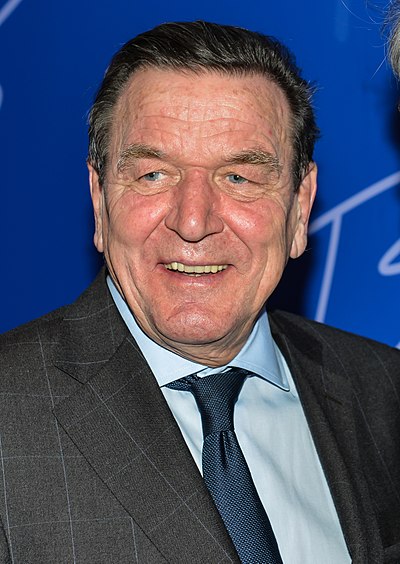
Gerhard Schröder's early life provided a stark contrast to the power he would later wield. Born in 1944, his father died in World War II, leaving his mother to raise him and his brother. His formative years were spent working and studying diligently, eventually leading him to pursue law.
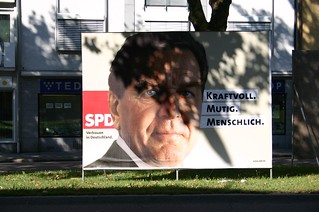
His legal career included representing Horst Mahler, a figure associated with the Baader-Meinhof terrorist group, a decision that foreshadowed later controversies surrounding his judgment and associations. Schröder joined the SPD in 1963 and quickly ascended through its ranks, demonstrating early leadership as the federal chairman of the Young Socialists. His election to the Bundestag in 1980 marked his entry into national politics.
He served as Minister-President of Lower Saxony from 1990 to 1998, gaining significant executive experience and navigating coalition politics with the Green Party. This period honed his political skills and laid the groundwork for his bid for the chancellorship, which he won in 1998, unseating Helmut Kohl.
The Schröder Chancellorship
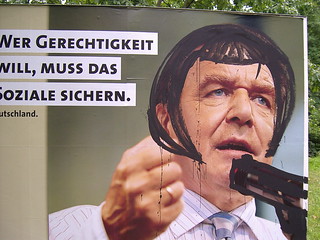
Schröder's tenure as Chancellor (1998-2005) was characterized by ambitious domestic reforms and a more assertive foreign policy. His flagship 'Agenda 2010' aimed to modernize Germany's social welfare system and labor market, introducing measures like reduced unemployment benefits and tax reforms designed to stimulate economic growth. These reforms were deeply divisive, alienating parts of his own party's left wing and contributing to electoral losses, yet they are credited by some with laying the foundation for Germany's later economic strength.
In foreign policy, Schröder dramatically shifted Germany's stance. He famously declared Germany would not participate in the US-led invasion of Iraq in 2003, a decision that strained transatlantic relations but resonated with a public wary of military intervention. This 'German Way' positioned Germany as a distinct voice in international affairs.
He also championed European integration, working closely with France's Jacques Chirac, and oversaw the relocation of Germany's government from Bonn to Berlin, a symbolic move for a reunified nation.
The Post-Chancellorship Era
Following his electoral defeat in 2005, Schröder transitioned into the private sector, a move that would define the latter part of his public life and generate significant controversy. He immediately took on roles with Russian state-owned energy companies, most notably Nord Stream AG, which was building a controversial gas pipeline directly from Russia to Germany. Critics accused him of a conflict of interest, arguing he leveraged his former political position for personal gain and undermined Germany's foreign policy objectives.
His continued close relationship with Vladimir Putin, whom he once called a 'flawless democrat,' and his defense of Russian actions, including the annexation of Crimea, drew widespread condemnation. Despite facing pressure from his own party and calls for sanctions, Schröder largely remained unrepentant, often framing his actions as necessary for maintaining dialogue and energy security. This stance led to his honorary citizenship in Hanover being rescinded and widespread public criticism.
Legacy and Lingering Questions
Gerhard Schröder remains a complex and polarizing figure in German history. As Chancellor, he enacted significant reforms that reshaped Germany's social and economic landscape and asserted a more independent foreign policy. His willingness to challenge established norms, whether in domestic policy or international relations, marked his leadership.
However, his post-chancellorship career, particularly his deep entanglement with Russian energy interests and his perceived loyalty to Vladimir Putin, has cast a long shadow over his achievements. The 'Paradise Papers' and subsequent investigations into his financial dealings further fueled public scrutiny. The question of whether his actions represent a pragmatic pursuit of national interest, a betrayal of democratic values, or a combination of both continues to be debated.
His story serves as a case study in the blurred lines between political power, personal ambition, and international business in the modern era.
See also
Frequently Asked Questions
Who was Gerhard Schröder?+
What were the Agenda 2010 reforms?+
Why did Schröder say Germany would not join the Iraq war?+
What did Schröder do after leaving politics?+
Why was Schröder criticized after his business work?+
Based on content from Wikipedia · Licensed under CC BY-SA 4.0