

Garlic
Images
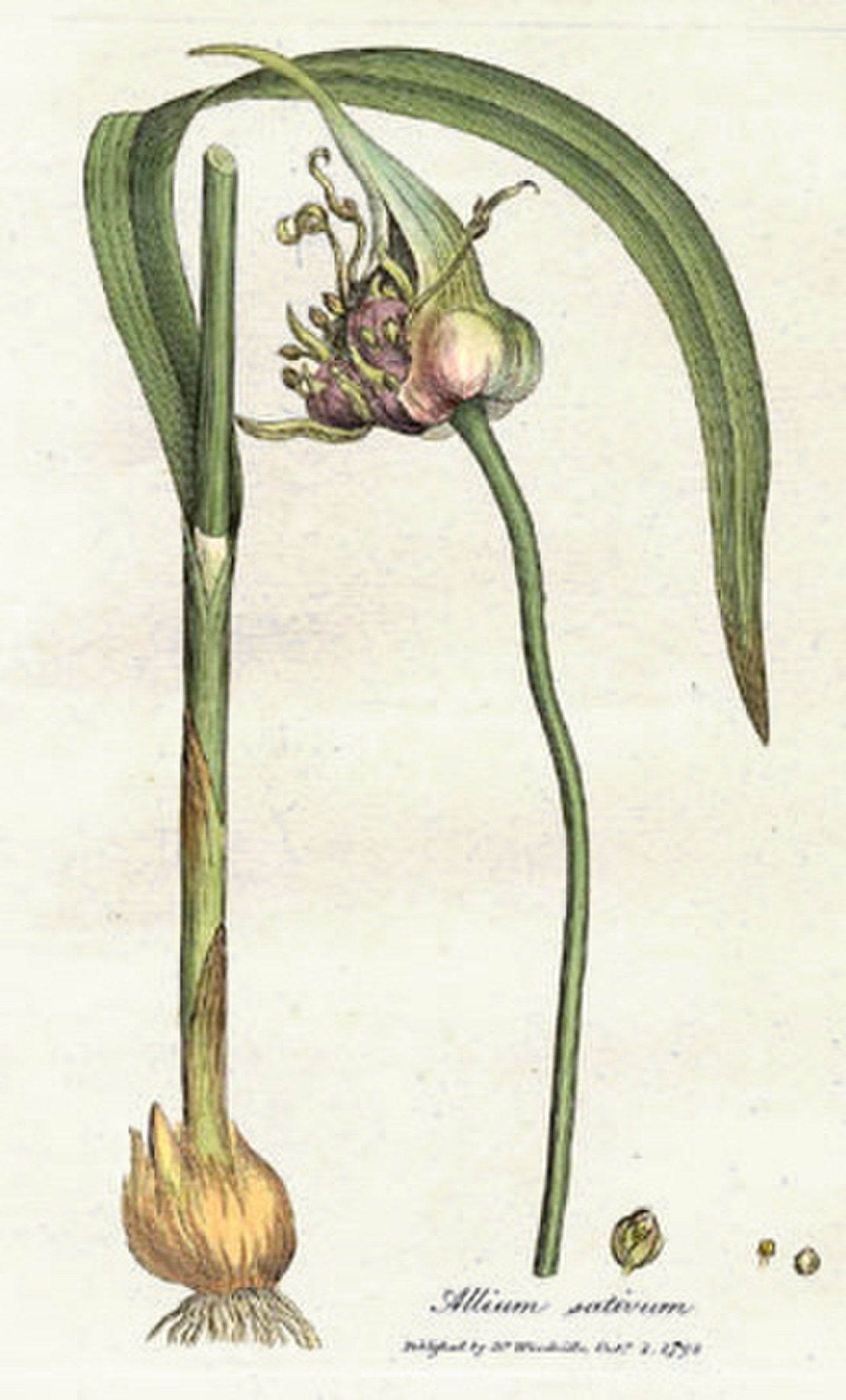
Garlic
From Antiquity to the Modern Pantry
Garlic, scientifically known as Allium sativum, boasts a lineage that traces back over 5,000 years to its origins in Central Asia. Its journey through human history is marked by its adoption and integration into diverse cultures, driven by both its potent flavor and its perceived medicinal qualities. Ancient texts from Egypt, Greece, Rome, and China detail its use not only in cuisine but also in various healing practices.
The Egyptians, for instance, are believed to have provided garlic to the laborers constructing the pyramids, attributing to it properties that enhanced strength and stamina. This widespread historical application underscores garlic's profound impact on early human diets and health beliefs, laying the groundwork for its ubiquitous presence in global gastronomy today. Its propagation occurred through trade routes and human migration, solidifying its status as a fundamental ingredient across continents.
The Biochemistry of Bite
The characteristic aroma and pungent flavor of garlic are primarily attributed to sulfur-containing compounds, most notably allicin. Allicin is not present in intact garlic cloves; instead, it is formed when the plant's cells are damaged through chopping, crushing, or chewing. This enzymatic reaction, involving the enzyme alliinase acting on the compound alliin, produces allicin.
Allicin is known for its strong odor and is believed to be responsible for many of garlic's purported health benefits. However, allicin is unstable and quickly breaks down into other sulfur compounds. When garlic is cooked, these compounds undergo further transformations, leading to a milder, sweeter, and more complex flavor profile.
This biochemical process explains why raw garlic has a sharp bite, while roasted or sautéed garlic offers a rich, savory depth, making it adaptable to a vast array of cooking techniques and dishes.
Phytochemical Properties and Modern Scientific Inquiry
Beyond its culinary appeal, garlic has long been recognized for its potential health-promoting properties, a subject of ongoing scientific investigation. Traditional medicine systems have utilized garlic for centuries to treat a wide range of conditions, from infections to cardiovascular issues. Modern research has focused on identifying the specific phytochemicals responsible for these effects, with organosulfur compounds like allicin, ajoene, and diallyl disulfide being key areas of study.
Preliminary research suggests that garlic consumption may contribute to improved cardiovascular health by helping to regulate blood pressure, reduce cholesterol levels, and inhibit platelet aggregation. Furthermore, studies have explored its potential antimicrobial, antioxidant, and even anti-cancer properties. While garlic is not a substitute for conventional medical treatment, its rich array of bioactive compounds continues to make it a compelling subject for nutritional science and preventative health research.
Global Culinary Integration and Versatility
Garlic's influence on global cuisine is undeniable, serving as a foundational aromatic in an astonishing variety of dishes. Its adaptability allows it to be a star ingredient or a subtle enhancer, depending on the preparation. In Mediterranean and Middle Eastern cuisines, it forms the base of many sauces, marinades, and vegetable dishes.
Italian cooking relies heavily on garlic for pasta sauces, pizzas, and antipasti, with dishes like Aglio e Olio showcasing its primary role. East Asian cuisines, including Chinese, Korean, and Vietnamese, frequently employ garlic in stir-fries, soups, and noodle dishes, often paired with ginger and scallions. Even in the Americas, garlic is integral to Tex-Mex, Creole, and Latin American cooking.
This widespread integration highlights garlic's unique ability to impart depth, complexity, and a characteristic savory note that is difficult to replicate, making it an indispensable element in the repertoire of chefs and home cooks worldwide.
Cultivation, Varieties, and Economic Impact
The cultivation of garlic is a significant agricultural practice globally, with major producing countries including China, India, and Egypt. Different varieties of garlic exist, often categorized by their growing season or bulb characteristics, such as hardneck and softneck types. Hardneck varieties typically produce a flower stalk (scape) and are often favored for their complex flavors and larger cloves, while softneck varieties are more common commercially due to their longer storage life and ease of braiding.
The economic impact of garlic is substantial, driven by its consistent demand in both fresh and processed forms, including powders, flakes, and oils. Its role extends beyond food, with applications in traditional medicine and even pest control, further cementing its importance in the global market and agricultural landscape.
Go deeper
Frequently Asked Questions
What is garlic and why does it smell strong?+
How does cooking garlic change its taste?+
Why did ancient people use garlic?+
Can garlic help keep our heart healthy?+
What are some foods that use garlic?+
Based on content from Wikipedia · Licensed under CC BY-SA 4.0