

Faroe Islands
Images
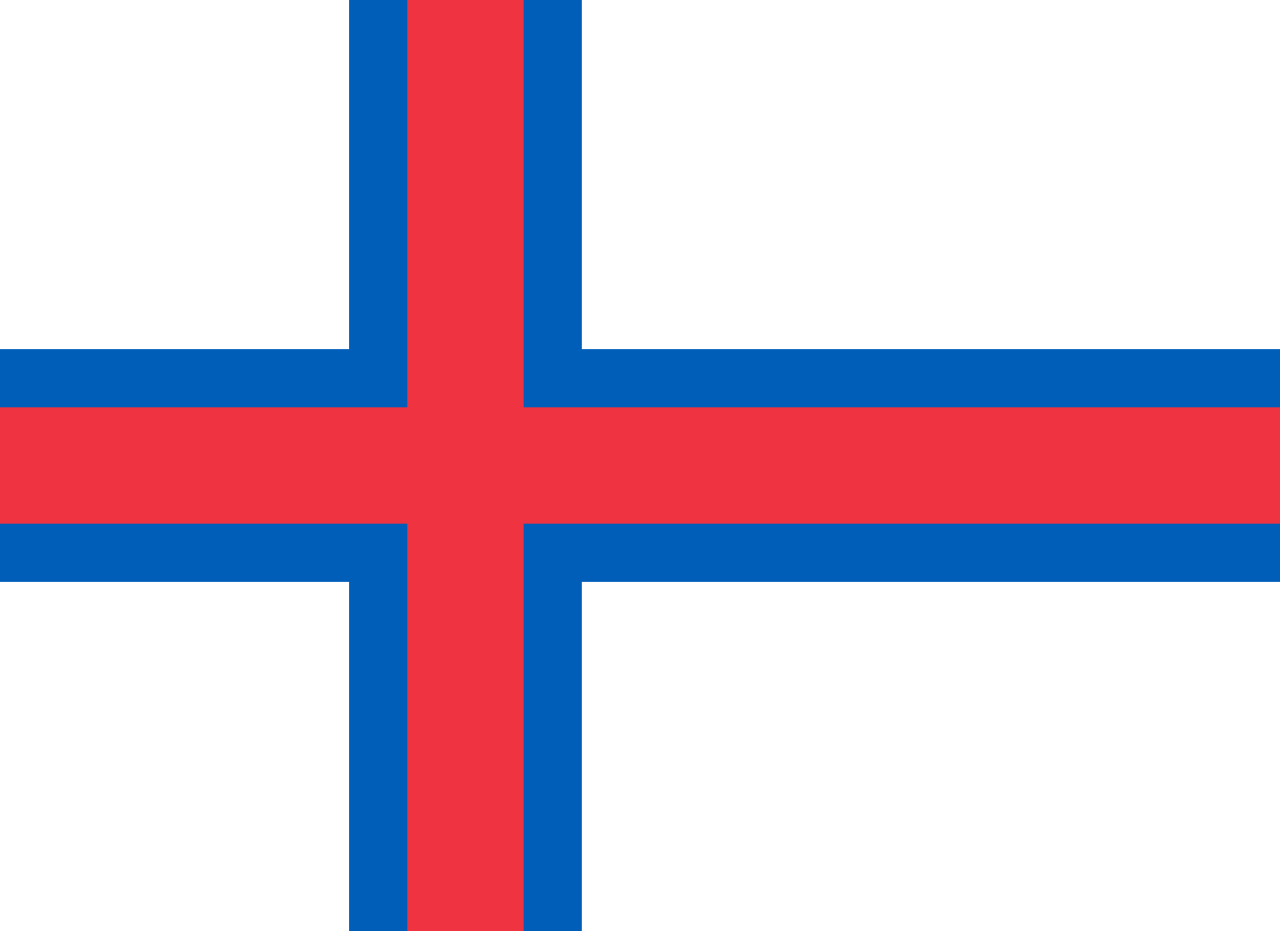
Faroe Islands


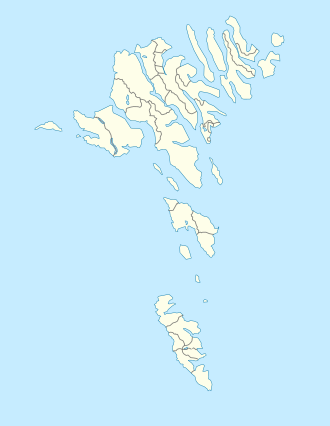
Opens Google Maps in new tab
Geographical Isolation and Environmental Extremes
The Faroe Islands present a compelling case study in geographical isolation and adaptation to extreme environments. This archipelago of 18 rugged islands, situated in the North Atlantic at approximately 62°N latitude, is characterized by dramatic volcanic terrain, steep cliffs, and deep fjords. The proximity to the Arctic Circle results in extreme variations in daylight, with near-perpetual twilight during summer nights and very short winter days.
Despite this northerly location, the islands experience a subpolar oceanic climate, with remarkably mild temperatures year-round. This moderation is attributed to the influence of the Gulf Stream, which significantly mitigates the harshness of the Arctic latitude. The sparse vegetation and scarcity of trees are direct consequences of the challenging climate and terrain, shaping the islands' unique ecosystem and influencing human settlement patterns.
The capital, Tórshavn, holds the distinction of having the lowest recorded annual sunshine hours globally, a testament to the persistent cloud cover and maritime influence.
A Tapestry of Norse Heritage and Evolving Governance
The historical narrative of the Faroe Islands is deeply rooted in Norse settlement, dating back to the early 9th century. Initially established as an independent commonwealth governed by the Løgting, one of the world's oldest continuously functioning parliaments, the islands underwent significant political shifts. They came under Norwegian rule in the 11th century, coinciding with the introduction of Christianity.
Their trajectory followed Norway's into the Kalmar Union and subsequently transitioned to de facto Danish rule after the union's dissolution. The period of Danish rule saw the suppression of the Faroese language in official capacities for over three centuries. A pivotal moment was the formal cession to Denmark in 1814.
However, the 20th century marked a resurgence of Faroese identity, with the re-establishment of the Løgting and the gradual displacement of Danish by Faroese in public life. World War II occupation by the British further fueled aspirations for self-governance, culminating in a referendum for independence and the subsequent granting of extensive home rule in 1948, while remaining part of the Kingdom of Denmark.
Socio-Cultural Identity
The Faroe Islands boast a distinct socio-cultural identity, shaped by their history, geography, and a population of approximately 54,885 individuals (as of September 2025). The Faroese language, a North Germanic language with partial mutual intelligibility with Icelandic, is a cornerstone of this identity, having survived periods of suppression to become the primary language of education, religion, and public life. The rugged terrain and maritime environment have fostered a resilient and close-knit community.
Sheep farming remains a significant aspect of the cultural landscape, with sheep outnumbering the human population, a fact that often surprises visitors. The islands are also a crucial breeding ground for various seabird species, including the iconic puffin. While tourism has grown, the economy's backbone remains firmly anchored in the fishing industry.
The Faroese people maintain strong traditions in music, literature, and social customs, reflecting a unique blend of ancient heritage and modern adaptation.
Economic Autonomy and Global Engagement
The Faroe Islands operate with a high degree of economic autonomy, a key component of their home rule status within the Kingdom of Denmark. While defense, justice, and currency remain under Danish purview, the islands control most other areas, including their foreign affairs and, crucially, their trade policy. This independence is underscored by their exclusion from the European Economic Community (and subsequently the European Union), allowing them to maintain exclusive control over their rich fishing waters.
The fishing industry, encompassing both wild-catch and aquaculture, dominates the economy, accounting for around 90% of exports. This reliance on marine resources has led to the development of sophisticated fishing and processing technologies. Furthermore, the Faroe Islands have actively pursued international trade agreements, notably the bilateral free trade agreement with Iceland, known as the Hoyvík Agreement.
Tourism has emerged as a significant and growing sector since the 2010s, drawn by the islands' dramatic natural beauty and unique cultural offerings. In international sports and certain multilateral organizations like the Nordic Council, they are represented as part of the Danish delegation, illustrating their nuanced position on the global stage.
Go deeper
Frequently Asked Questions
What are the Faroe Islands and where are they located?+
Why are there so many sheep on the Faroe Islands?+
How does the weather feel on the Faroe Islands during summer and winter?+
What is the Faroese language and why is it special?+
How do people in the Faroe Islands make a living?+
Based on content from Wikipedia · Licensed under CC BY-SA 4.0