

Cairo
Images

Cairo


Geostrategic Position and Urban Scale
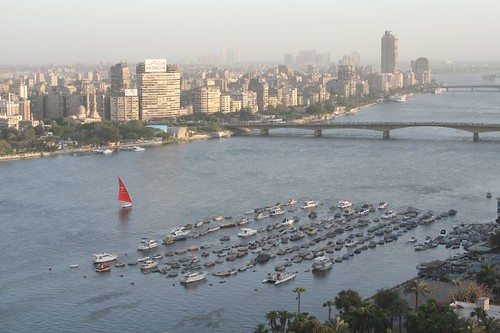
Cairo, the capital and most populous city of Egypt, occupies a pivotal location in Northeast Africa, straddling the fertile banks of the Nile River just north of the Nile Delta. This geostrategic positioning has historically cemented its importance as a nexus of trade and culture. The sheer scale of Cairo is staggering; the city proper is home to over 10 million inhabitants, while the Greater Cairo metropolitan area encompasses a sprawling urban agglomeration exceeding 22 million people.
This makes it not only the largest city in Egypt but also the most populous in Africa, the Arab world, and the Middle East, ranking among the world's largest urban areas by population. Its immense size presents both opportunities and challenges, shaping its infrastructure, economy, and daily life.
Layers of Civilization
The historical narrative of Cairo is deeply intertwined with Egypt's ancient past. The vicinity of Cairo is rich with archaeological treasures, including the iconic Giza pyramid complex and the ancient cities of Memphis and Heliopolis, testaments to millennia of civilization. The modern city's direct lineage traces back to the post-Islamic conquest era, with the establishment of Fustat in 641 AD near an existing Roman fortress.
However, the city officially recognized as Cairo was founded in 969 AD by the Fatimid dynasty, who sought to establish a new imperial capital. Over subsequent centuries, Cairo flourished and expanded, superseding Fustat as the primary urban center during the influential Ayyubid and Mamluk periods (12th–16th centuries), periods marked by significant architectural and cultural development that continue to define the city's character.
Cultural Tapestry and Global Recognition
Cairo is globally recognized as a 'World City' with a 'Beta +' classification, reflecting its significant influence on international commerce, finance, and culture. Its historical center, a breathtaking collection of Islamic architecture, earned it the moniker 'the city of a thousand minarets' and was designated a UNESCO World Heritage Site in 1979. Beyond its architectural splendor, Cairo is a powerhouse of cultural production.
It hosts the oldest and largest film and music industries in the Arab world, contributing significantly to regional popular culture. The city is also a vital academic hub, home to Al-Azhar University, one of the oldest continuously operating universities globally, and a vibrant arts scene supported by institutions like the Cairo Symphony Orchestra and the Cairo Opera House. Its status as a center for international media, business, and organizations, including the long-standing headquarters of the Arab League, underscores its enduring global relevance.
Economic Engine and Urban Mobility
As Egypt's primary economic engine, Cairo drives finance, commerce, and industry. Its diverse economy supports a wide range of sectors, from media and arts to technology and services. The city's infrastructure is constantly adapting to its massive population.
The Cairo Metro, inaugurated in 1987, is a landmark achievement as the oldest metro system in Africa and ranks among the world's fifteen busiest, handling over a billion passenger journeys annually. This extensive public transit system is crucial for navigating the sprawling metropolis and mitigating the significant challenges of pollution and traffic congestion that, like many megacities, Cairo faces. The city's economic standing has been consistently high, recognized globally for its market influence and commercial activity.
Go deeper
Frequently Asked Questions
What is Cairo?+
Where is Cairo located?+
Why is Cairo called the "city of a thousand minarets"?+
How old is Cairo?+
What is special about Cairo's metro?+
Based on content from Wikipedia · Licensed under CC BY-SA 4.0