

Costa Rica: The Land of Pura Vida!
Images
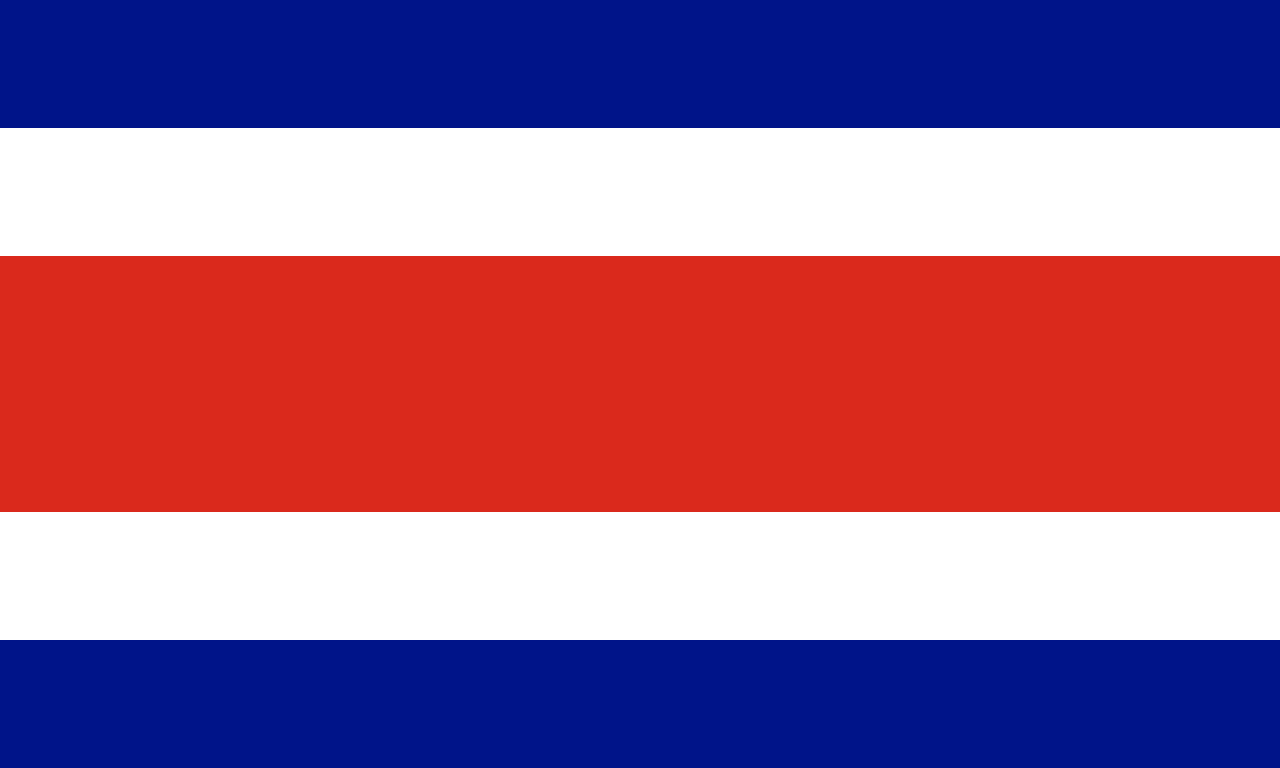
Costa Rica
Geopolitical Crossroads and Early Development
Costa Rica occupies a strategic position in Central America, bordered by Nicaragua to the north and Panama to the southeast, with extensive coastlines on both the Pacific Ocean and the Caribbean Sea. Its territory, covering approximately 51,180 square kilometers, has been inhabited since at least 7,000 BC. Before Spanish colonization in the 16th century, diverse indigenous groups populated the region.
As a peripheral colony of the Spanish Empire, Costa Rica experienced gradual development. Post-independence in 1821, it navigated periods within the First Mexican Empire and the Federal Republic of Central America, eventually declaring full independence in 1847. The late 19th century marked a significant shift towards modernization, characterized by a liberal constitution and the establishment of Central America's first free and fair national elections, laying the groundwork for its future democratic trajectory.
The Birth of a Demilitarized Democracy
The 20th century brought profound changes to Costa Rica's political landscape. A brief but impactful civil war in 1948 led to the adoption of the current constitution in 1949. This landmark document enshrined universal suffrage, comprehensive social, economic, and educational guarantees for all citizens, and, most notably, the permanent abolition of the army.
This decision was revolutionary, positioning Costa Rica as one of the few sovereign nations globally without a standing military. The nation embraced a presidential republic model, fostering a robust and stable democracy. This commitment to peace and civilian governance has been a cornerstone of its identity and development strategy, allowing resources to be redirected towards societal well-being.
Investing in Human Capital
Costa Rica's dedication to its citizens' development is vividly demonstrated through its educational policies. Since 1886, education has been both free and compulsory, a policy that has cultivated one of the highest literacy rates in the Americas. The nation consistently allocates approximately one-fourth of its national budget to education, representing about 6.2% of its GDP.
This figure significantly surpasses the global average of 3.8%, highlighting a profound commitment to nurturing its human capital. This sustained investment has contributed to Costa Rica's consistently high performance in the Human Development Index (HDI), where it ranks favorably among nations with similar income levels and leads regionally in human development and inequality metrics.
Economic Diversification and Global Recognition
While historically reliant on agriculture, Costa Rica's economy has successfully diversified into sectors such as finance, corporate services, pharmaceuticals, and, crucially, ecotourism. This economic resilience, coupled with its strong democratic institutions and commitment to human rights and environmentalism, has earned it international acclaim. Classified by the World Bank as a high-income country and the sole OECD member in Central America and the Caribbean, Costa Rica is recognized by the UN Development Programme for achieving a higher level of human development than its economic standing might suggest.
Its consistent performance in metrics of democratic governance, press freedom, subjective happiness, and sustainable well-being solidifies its status as a regional leader and a model for progressive national development.
Go deeper
Frequently Asked Questions
Why does Costa Rica have no army?+
Where is Costa Rica located?+
How does Costa Rica help its students?+
What makes Costa Rica special for nature lovers?+
When did Costa Rica become fully independent?+
Based on content from Wikipedia · Licensed under CC BY-SA 4.0