

Panama
Images
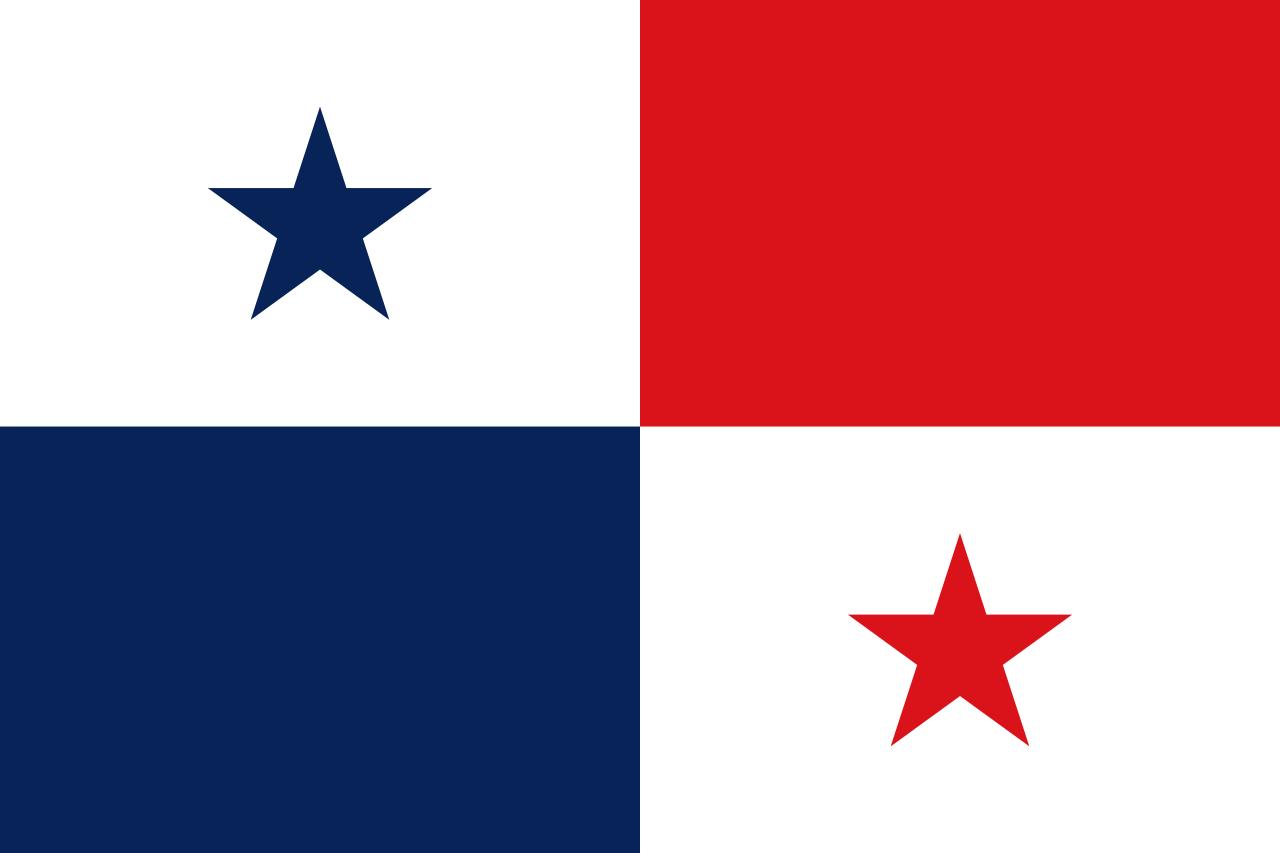
Panama
Opens Google Maps in new tab
Panama's Strategic Geography and Urban Core
Panama occupies a position of immense geopolitical and economic significance at the southernmost extremity of Central America, effectively serving as the crucial land bridge connecting North and South America. This narrow isthmus is flanked by the Caribbean Sea to the north and the Pacific Ocean to the south, a geographical configuration that has defined its history and destiny. Its western border is with Costa Rica, and its southeastern frontier touches Colombia.
The nation's demographic and economic heart beats in Panama City, its capital and largest urban center. The metropolitan area of Panama City is home to nearly half of the country's population, which exceeds 4 million inhabitants. This concentration underscores the urban-rural divide and the capital's role as the primary hub for commerce, finance, and governance in the republic.
The Panama Canal
The Panama Canal stands as the nation's most defining feature and a critical artery of global commerce. Conceived and constructed by the United States Army Corps of Engineers between 1904 and 1914, it provides a vital maritime shortcut, allowing vessels to transit between the Atlantic and Pacific Oceans without the arduous journey around Cape Horn. This engineering marvel dramatically reduced shipping times and costs, fundamentally altering international trade routes.
The canal's economic impact on Panama is profound, with toll revenues constituting a significant portion of the Gross Domestic Product (GDP). The completion of the Panama Canal expansion project in 2016, which doubled its capacity by accommodating larger Neopanamax ships, further solidified its importance and Panama's role as a global logistics hub. Beyond the canal, sectors like commerce, banking, and tourism are major contributors to Panama's high-income economy.
A Historical Trajectory
Panama's history is a complex narrative shaped by indigenous civilizations, colonial powers, and the pursuit of nationhood. Prior to the arrival of Spanish conquistadors in the 16th century, the region was inhabited by diverse indigenous tribes with their own distinct cultures and societal structures. The Spanish colonial era brought significant changes, and in 1821, Panama declared its independence from Spain, subsequently joining the Gran Colombia federation.
Following the dissolution of Gran Colombia, Panama became part of the Republic of Colombia. A watershed moment arrived in 1903 when, with substantial backing from the United States, Panama successfully seceded from Colombia. This pivotal event was directly linked to the U.S. ambition to construct the Panama Canal, a project that would profoundly influence Panama's sovereignty and international relations for decades to come.
The Torrijos–Carter Treaties of 1977 were instrumental in the eventual transfer of canal control from the United States to Panama, a process completed on December 31, 1999, marking a significant assertion of national sovereignty.
Ecological Significance and Conservation Challenges
Panama's terrestrial ecosystems are characterized by extensive tropical rainforests, covering approximately 40 percent of its land area. These verdant jungles are biodiversity hotspots, harboring an extraordinary abundance of flora and fauna, including numerous endemic species found nowhere else on Earth. This rich natural heritage makes Panama a critical region for biological research and conservation.
However, like many tropical regions, Panama faces significant environmental challenges, including deforestation, habitat fragmentation, and the impacts of climate change. Balancing economic development, particularly related to the canal and its expansion, with the imperative to protect its unique natural resources is an ongoing and critical task for the nation.
Socioeconomic Development and Global Engagement
Panama is recognized for its high-income economy, driven significantly by its strategic location and the Panama Canal. The country consistently ranks well in global economic competitiveness and human development indices, reflecting its progress. In 2019, it ranked 57th globally for Human Development Index, and in 2018, it was seventh most competitive in Latin America.
Panama is also an active participant in the international community, serving as a founding member of the United Nations and other prominent organizations such as the Organization of American States and the Group of 77. Its commitment to global cooperation is evident in its membership across various international forums, contributing to discussions on global issues and fostering diplomatic relations.
Go deeper
Frequently Asked Questions
What makes Panama a special place for ships?+
Where is Panama located?+
Why is Panama City important?+
How did Panama become independent?+
What kinds of animals live in Panama's rainforests?+
Based on content from Wikipedia · Licensed under CC BY-SA 4.0