

Burqa
Images

Alu Burqa




Defining the Burqa
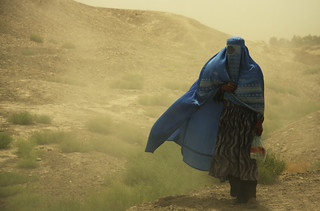
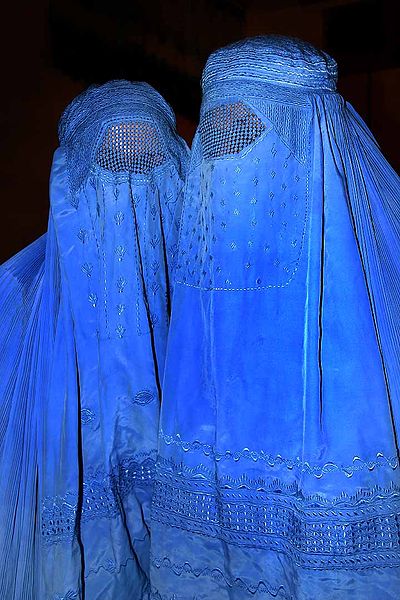
The burqa, also known by names such as harabah, is an encompassing outer garment worn by a segment of Muslim women, characterized by its complete coverage of the body and face. It is crucial to distinguish the burqa from other forms of Islamic veiling. While the niqab is a face veil that leaves the eyes visible, the burqa extends to cover the entire person from head to ground.
Its defining characteristic is a latticed or mesh screen through which the wearer can see, offering a limited but functional field of vision. This mesh, often made of tightly woven fabric, allows the wearer to perceive her surroundings while maintaining a high degree of concealment. The garment’s design prioritizes privacy and adherence to specific interpretations of modesty, creating a distinct visual and personal presence.
Historical Tapestry
The practice of face veiling predates Islam and has deep roots in various ancient civilizations, including the Byzantine Empire, Persia, and regions of Arabia. Historical records and religious texts, such as references in Genesis, indicate the long-standing cultural significance of veils. Throughout history, women in diverse cultural and religious contexts, including Oriental Orthodox Christian communities, have adopted veiling practices, often signifying marital status, social standing, or piety.
These historical precedents demonstrate that veiling is not solely an Islamic phenomenon but a practice with a complex, multi-cultural lineage that has evolved over millennia, adapting to different societal norms and religious interpretations.
Motivations for Wear
The decision to wear a burqa is multifaceted and deeply personal, often stemming from a combination of religious conviction, cultural identity, and personal choice. While some minority interpretations within Islamic jurisprudence consider it obligatory in the presence of non-mahram males to prevent unwanted gazes, the consensus among most contemporary Islamic scholars is that the burqa is not a religious requirement. For many women, wearing it is an active expression of modesty, devotion, and a strong connection to their heritage.
It can be a way to assert their identity and values in public spaces. However, it is also acknowledged that in certain political contexts, such as during the Taliban's rule in Afghanistan, the burqa has been imposed, highlighting the complex interplay between personal agency and external pressures.
Contemporary Relevance
In recent decades, the burqa has become a focal point of significant public and political debate in many Western and non-Western countries. This has led to the implementation of full or partial bans on wearing the burqa in public spaces across numerous nations, including France, Austria, and parts of Canada and Germany. These legislative actions are often framed around issues of secularism, national identity, security concerns, and the perceived integration of minority communities.
The discourse surrounding these bans is complex, involving discussions about religious freedom, women's rights, and the role of state in regulating personal attire. The ongoing global conversation reflects diverse perspectives on cultural expression and societal norms.
See also
Based on content from Wikipedia · Licensed under CC BY-SA 4.0