

Jurisprudence
Images
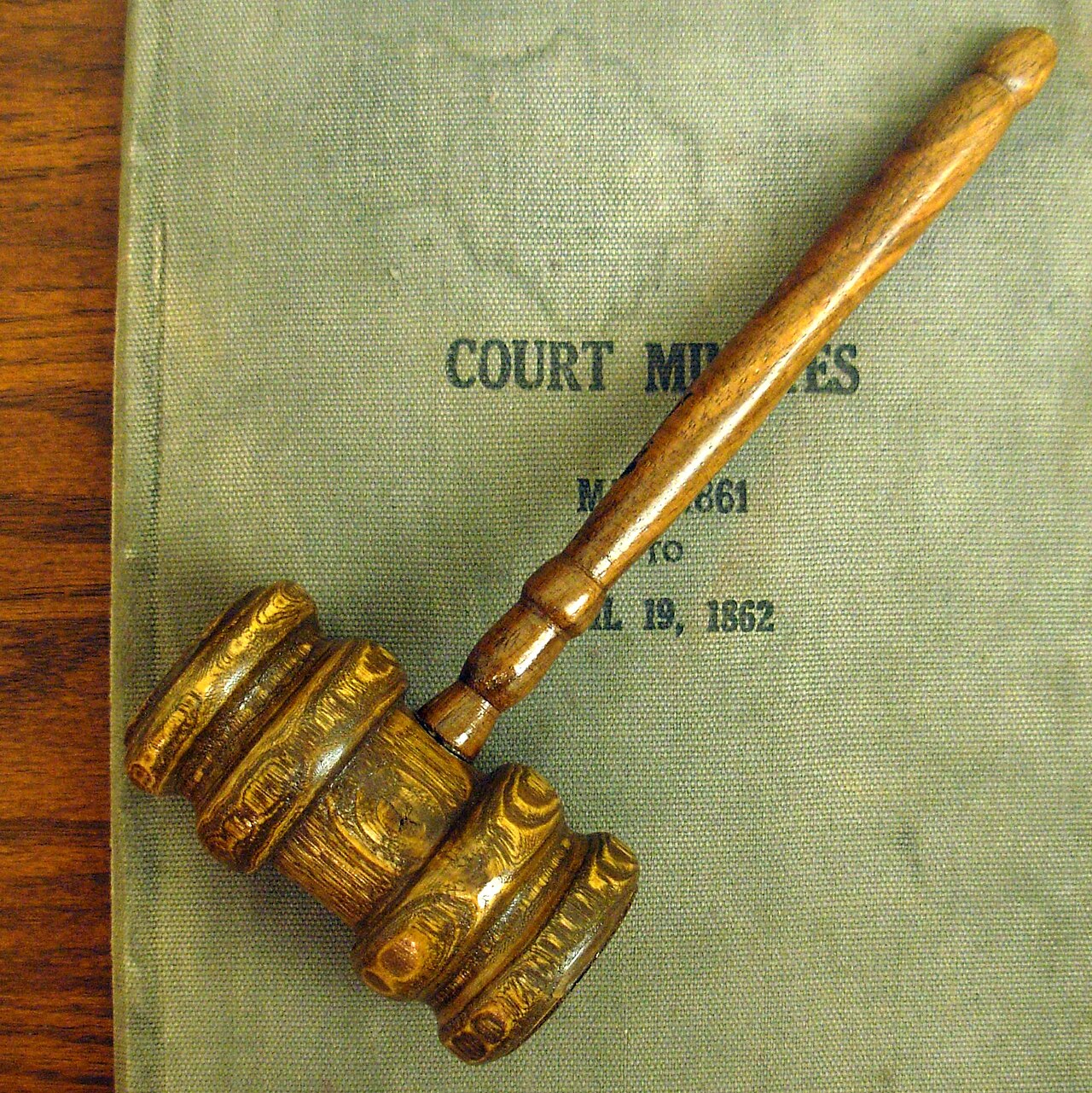
Jurisprudence
Deconstructing the Essence of Law
Jurisprudence, at its core, is the theoretical study of law. It moves beyond the practical application of statutes and precedents to question the very foundations of legal systems. It probes what distinguishes a legal rule from a moral code or a social custom.
Is law merely a set of commands backed by coercion, as legal positivists like John Austin argued, or does it inherently possess a moral dimension, as natural law theorists contend? This field examines the conceptual framework of law, dissecting concepts like rights, duties, sovereignty, and justice. It seeks to understand the logic and structure that underpin legal reasoning, providing a critical lens through which to evaluate the legitimacy and efficacy of laws in any given society.
A Historical Tapestry of Legal Thought
The intellectual journey of jurisprudence spans millennia. Ancient Greek philosophers like Plato and Aristotle laid early groundwork by discussing justice, the ideal state, and the role of law in achieving social harmony. Roman jurists developed sophisticated legal concepts and systems that continue to influence modern law. During the Middle Ages, thinkers like Thomas Aquinas integrated Aristotelian philosophy with Christian theology, articulating influential theories of natural law.
The Enlightenment brought forth figures such as John Locke and Jean-Jacques Rousseau, whose ideas on natural rights and social contracts profoundly shaped constitutionalism. Later, legal positivism emerged, championed by thinkers like Jeremy Bentham and John Austin, who sought to separate law from morality, focusing on law as it is enacted by human authorities. This rich history reveals a continuous, evolving dialogue about law's purpose and form.
The Indispensable Role of Jurisprudence
Jurisprudence is not merely an academic exercise; it is fundamental to the functioning and evolution of justice systems. It provides the critical tools necessary for legal professionals to interpret ambiguous laws, resolve complex cases, and ensure consistency in judicial decision-making. By understanding the underlying philosophies of law, judges can better articulate the rationale behind their rulings, enhancing public trust and legal certainty.
Furthermore, jurisprudence is vital for legal reform. It equips citizens and policymakers with the conceptual framework to critique existing laws, identify systemic injustices, and advocate for changes that align with evolving societal values and ethical standards. Without this critical reflection, legal systems risk becoming stagnant, unresponsive, or fundamentally unfair.
Navigating the Major Schools of Thought
Jurisprudence encompasses several major theoretical approaches. Legal positivism, perhaps the most dominant modern approach, asserts that the existence and content of law depend on social facts, such as legislative enactments or judicial decisions, rather than its moral merits. Thinkers like H.L.A.
Hart distinguished between primary rules (governing conduct) and secondary rules (governing the creation, modification, and adjudication of primary rules), arguing that a 'rule of recognition' is key to identifying valid laws. In contrast, natural law theory posits that there are objective moral principles that form the basis of law; an unjust law, according to some proponents like Lon Fuller, may not be a law at all. Other significant theories include legal realism, which focuses on how law is actually applied by judges in practice, and critical legal studies, which examines how law can perpetuate social inequalities.
Jurisprudence in Contemporary Society
The insights of jurisprudence are profoundly relevant to contemporary challenges. Debates surrounding issues like artificial intelligence and law, bioethics, international human rights, and environmental justice all require sophisticated jurisprudential analysis. For instance, questions about the legal status of AI, the ethical boundaries of genetic engineering, or the enforcement of global environmental standards necessitate a deep understanding of legal theory.
Jurisprudence helps us grapple with the complexities of globalization, the rise of non-state actors, and the challenges to traditional notions of sovereignty. It provides the intellectual framework for debating the purpose and limits of state power, the nature of individual liberties in an increasingly interconnected world, and the ongoing pursuit of a just and equitable global order.
Go deeper
Frequently Asked Questions
What is jurisprudence?+
Why do people talk about law and morality in jurisprudence?+
Who were some early thinkers who helped shape jurisprudence?+
How does jurisprudence help judges make decisions?+
How can people use jurisprudence to change laws?+
Based on content from Wikipedia · Licensed under CC BY-SA 4.0