

Thimphu: The Magical Mountain Capital!
Images
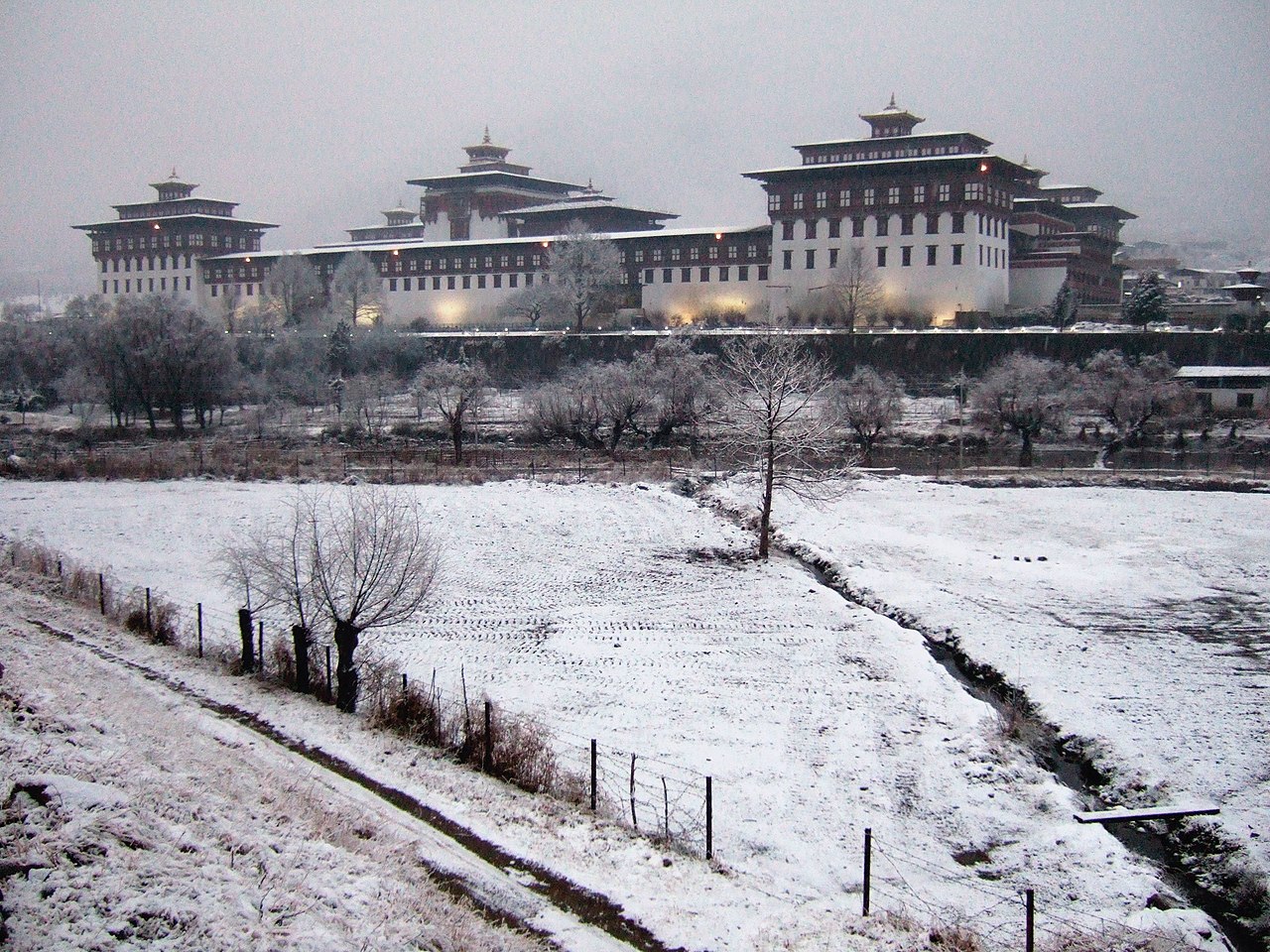
Thimphu
Geographical Context and Altitude's Influence
Thimphu, situated in the western-central highlands of Bhutan, is cradled within a geographically distinct valley carved by the Wang Chhu river. This location is not merely scenic but profoundly influences the city's character and development. As the sixth highest capital city in the world, Thimphu's altitude, ranging from 2,248 to 2,648 meters, presents unique challenges and opportunities.
This elevation impacts everything from its climate, which is temperate with cool winters and warm summers, to its infrastructure development. Unlike many global capitals, Thimphu lacks its own airport, relying on the Paro Airport 52 kilometers away. This deliberate choice, along with strict urban planning guided by the 'Thimphu Structure Plan, 2002–2027,' underscores a commitment to preserving the fragile mountain ecology and maintaining a less intrusive development model, prioritizing environmental sustainability over unchecked growth.
The Evolution of a Capital
Thimphu's ascent to capital status is a relatively recent chapter in Bhutan's long history. Prior to 1955, the ancient city of Punakha served as the primary seat of power. The strategic decision to relocate the capital to Thimphu in the mid-20th century was driven by a desire for greater centralization and accessibility within the kingdom.
This transition was formally recognized in 1961 when the Third Druk Gyalpo, Jigme Dorji Wangchuck, officially declared Thimphu the capital of the Kingdom of Bhutan. This marked a pivotal moment, transforming Thimphu into the nation's political, economic, and cultural nucleus. The move facilitated more efficient governance and laid the groundwork for the city's subsequent development as the modern heart of Bhutan.
A Living Tapestry
Thimphu serves as the vibrant epicenter of Bhutanese culture, embodying the nation's commitment to preserving its unique heritage. The city is a living museum where traditional customs, religious practices, and artistic expressions are not relics of the past but integral parts of daily life. The national dress code, the 'Gho' for men and 'Kira' for women, is widely observed, reflecting a strong sense of national identity. Literature, music, and dance flourish, with the annual Tshechu festival being a spectacular highlight.
Held in the courtyards of the imposing Tashichho Dzong, this festival features mesmerizing Cham dances, elaborate masked performances that narrate Buddhist tales and historical events. Thimphu's cultural dynamism is a testament to Bhutan's philosophy of Gross National Happiness, which prioritizes well-being and cultural preservation.
Economic Engine and Governance Hub
As the capital, Thimphu is the undisputed political and economic engine of Bhutan. While the nation's economy retains a significant agricultural and livestock base, contributing substantially to the Gross National Product, Thimphu is the nexus for evolving economic activities. Tourism, though a vital source of revenue, is stringently regulated under Bhutan's 'High Value, Low Impact' tourism policy. This approach aims to balance economic benefits with the preservation of Bhutan's pristine environment and unique cultural identity.
Thimphu houses the country's most important political institutions, including the National Assembly, the legislative body of Bhutan's parliamentary democracy, and Dechencholing Palace, the official royal residence. The city's development trajectory is carefully managed through urban planning initiatives, often supported by international development banks, ensuring that modernization aligns with Bhutan's core values.
Education and Future Aspirations
Education in Thimphu is a cornerstone of Bhutan's development strategy, aiming to equip its citizens with the skills needed for a modernizing nation while instilling a strong sense of cultural heritage. The city hosts a range of educational institutions, from primary schools to higher learning centers, including the Royal University of Bhutan's main campus. These institutions play a crucial role in fostering critical thinking, innovation, and leadership.
The curriculum often emphasizes Bhutanese values, environmental stewardship, and vocational training alongside traditional academic subjects. The government's focus on education is a key component of its long-term vision to build a self-reliant and prosperous nation, ensuring that Thimphu not only thrives economically and culturally but also intellectually, preparing its youth for the challenges and opportunities of the future.
Go deeper
Frequently Asked Questions
What makes Thimphu a magical mountain capital?+
How high is Thimphu and what does that do to its weather?+
Why doesn't Thimphu have its own airport?+
What is the Tshechu festival and where is it held?+
How does Thimphu keep its culture alive while growing?+
Based on content from Wikipedia · Licensed under CC BY-SA 4.0