

The British Empire: A World of Adventures!
Images
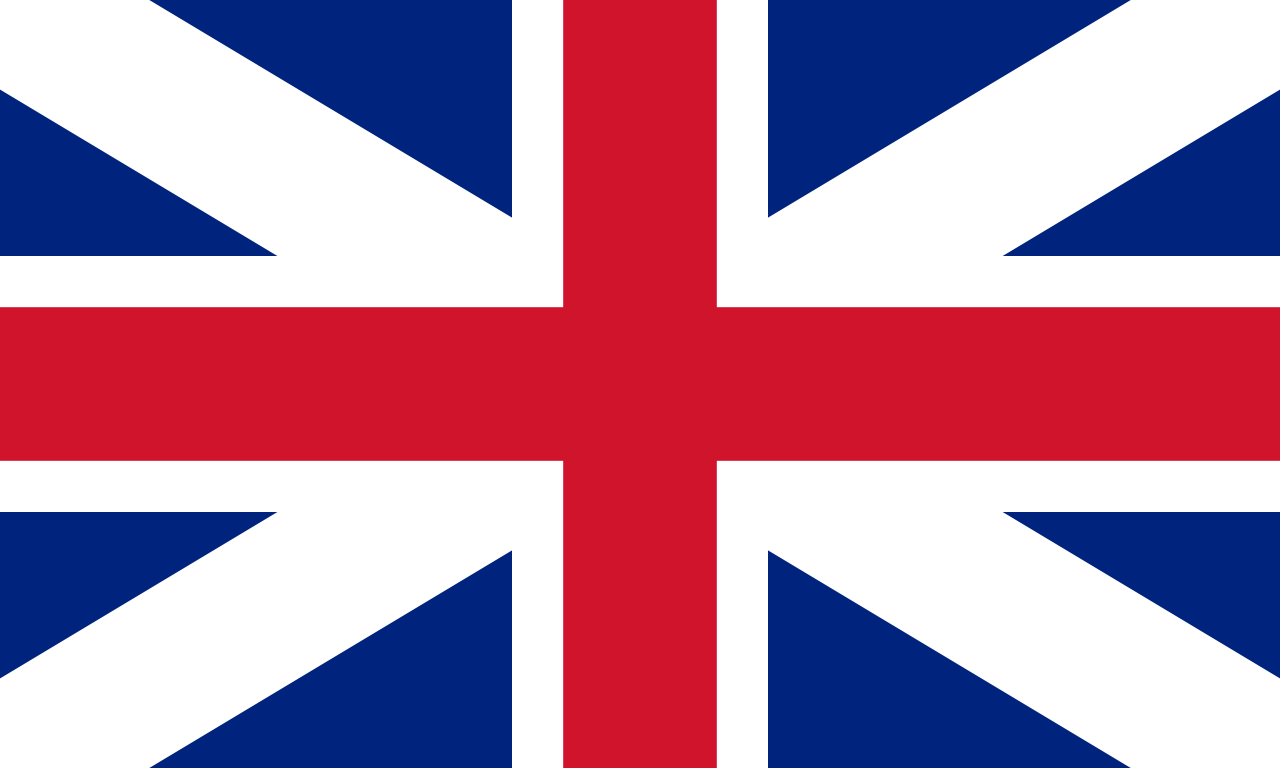
British Empire
Genesis and Expansion
The genesis of the British Empire can be traced to the Age of Discovery, fueled by advancements in shipbuilding, navigation, and a burgeoning capitalist economy. Early ventures focused on trade routes and resource acquisition, leading to the establishment of colonies in North America, the Caribbean, and India. The defeat of rivals like Spain and France, particularly in the Seven Years' War, solidified Britain's naval supremacy and opened the door for unprecedented territorial expansion throughout the 18th and 19th centuries.
This period saw the empire evolve from a mercantile network into a vast political entity, driven by economic imperatives, strategic advantage, and the ideology of civilizing missions. The Industrial Revolution further amplified Britain's capacity to project power and administer its growing territories, creating a self-reinforcing cycle of imperial growth.
Mechanisms of Control
Administering an empire that spanned the globe required sophisticated systems of control. Britain employed a tiered approach, ranging from direct rule by colonial governors and administrators to indirect rule through local elites, particularly in India. Economically, colonies were integrated into the British imperial system, serving as sources of raw materials and captive markets for British manufactured goods.
This often led to the disruption of indigenous economies and the imposition of monoculture farming. To facilitate trade, resource extraction, and military movement, Britain invested heavily in infrastructure, constructing vast railway networks, telegraph lines, and ports across its territories. These physical connections were crucial for maintaining cohesion and asserting authority over diverse populations and geographies.
The Imperial Experience
The lived experience within the British Empire was far from uniform. For the British elite, it represented wealth, prestige, and the fulfillment of a perceived civilizing mission. For colonized peoples, the reality was often one of subjugation, economic exploitation, and the erosion of cultural identity.
While some colonial subjects benefited from access to Western education and technology, leading to the emergence of nationalist leaders, the majority faced discrimination, forced labor, and political disenfranchisement. Resistance to imperial rule was a constant feature, manifesting in various forms, from localized uprisings and passive resistance to organized independence movements that would eventually dismantle the empire.
The Scars and Legacies
The decline of the British Empire was a protracted process, accelerated by the World Wars, the rise of nationalist movements, and shifting global power dynamics. Decolonization, beginning in earnest after World War II, led to the formation of numerous independent nations. However, the legacy of empire continues to shape the contemporary world. The enduring influence of the English language, legal systems, and parliamentary democracy in former colonies are direct inheritances.
Conversely, the arbitrary borders drawn by imperial powers have contributed to ongoing geopolitical conflicts, and the economic disparities between former colonizers and colonized nations remain a significant issue. The complex and often painful history of the empire continues to be debated and re-evaluated globally.
Global Interconnectedness and the Modern World Order
The British Empire was instrumental in forging the first truly globalized world. It facilitated unprecedented flows of people, goods, capital, and ideas across continents. This interconnectedness laid the groundwork for the modern international system, including institutions like the United Nations and the Commonwealth of Nations.
However, it also established patterns of global inequality and power imbalances that persist today. Understanding the British Empire is therefore essential for comprehending the historical roots of contemporary global challenges, from economic development and political stability to cultural exchange and identity formation in a post-colonial world.
Go deeper
Frequently Asked Questions
What was the British Empire?+
How did Britain become so powerful?+
How did Britain manage its colonies?+
What did life look like for people in the colonies?+
Why are some countries still affected by the British Empire today?+
Based on content from Wikipedia · Licensed under CC BY-SA 4.0