

Berbers: The First People of North Africa!
Images
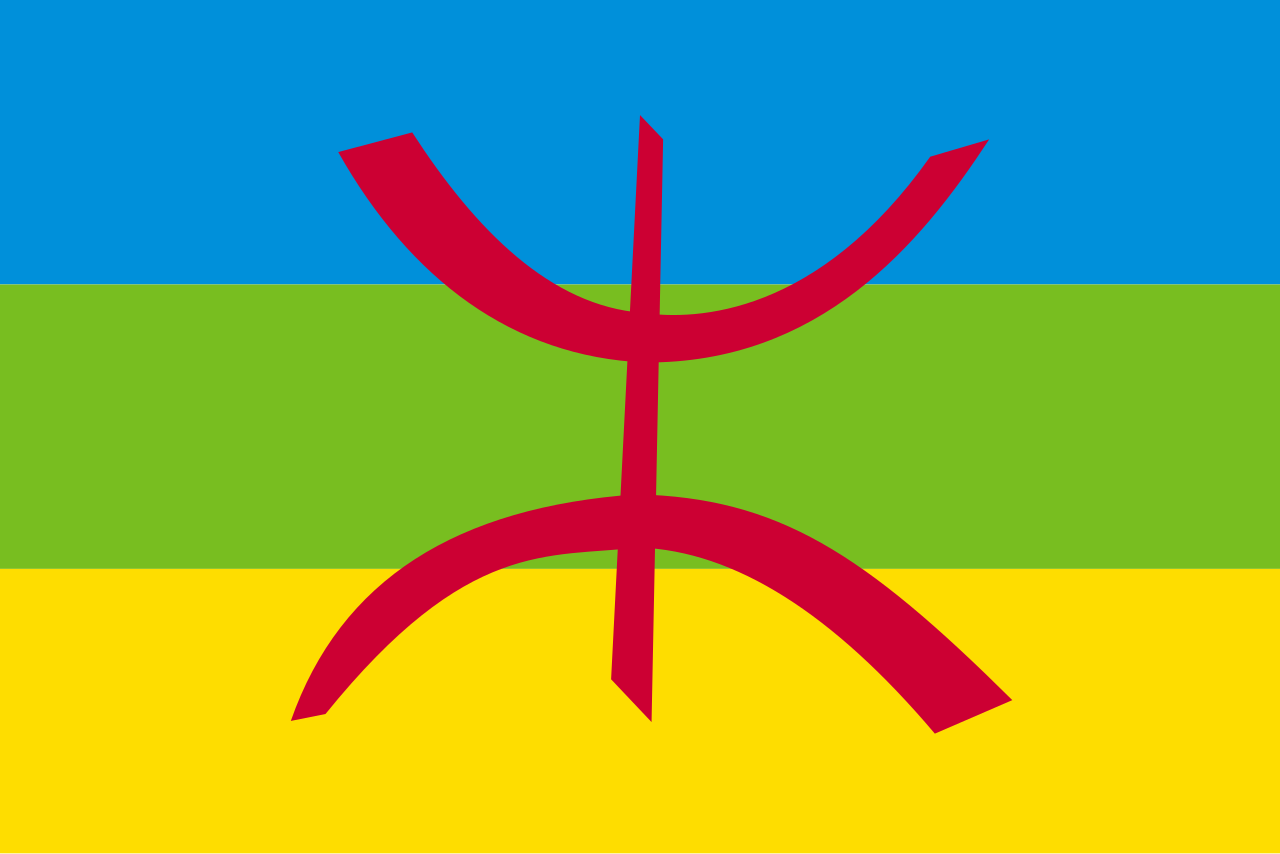
Berbers
Origins and Identity
The Berber people, self-identified as Amazigh (meaning 'free people' or 'noble people'), represent the indigenous populations of North Africa, with a history stretching back millennia. Archaeological and linguistic evidence suggests their presence in the region predates the arrival of Indo-European and Semitic languages, placing them as the original inhabitants of the Maghreb. Their languages form a distinct branch within the Afro-Asiatic language family, indicating a deep historical lineage separate from Arabic and other Semitic tongues.
The term 'Berber' itself is an exonym, derived from the Greek 'barbaros', and was applied by outsiders. The Amazigh identity is not monolithic; it encompasses a diverse array of distinct ethnic groups and linguistic communities, including the Kabyle, Riffian, Shilha, Tuareg, and many others, each with unique cultural expressions but united by a shared ancestral heritage and a common struggle for recognition.
A Chronicle of Resilience
The historical trajectory of the Amazigh is one of remarkable adaptation and endurance through successive waves of conquest and cultural influence. They established complex societies and engaged in agriculture, pastoralism, and extensive trade networks across North Africa long before the Phoenicians, Romans, or Arabs arrived. They were known for their fierce independence and often resisted external domination, though they also integrated into various empires, serving as soldiers, administrators, and artisans.
During the Roman period, some Amazigh tribes allied with Rome, while others rebelled. The Vandal and Byzantine periods saw further shifts in power dynamics. The advent of Islam in the 7th century marked a profound transformation; while many Amazigh converted to Islam and played crucial roles in its spread, they also maintained their distinct cultural and linguistic identities, often leading to periods of both cooperation and conflict with Arab dynasties.
Their history is a continuous narrative of navigating external pressures while preserving their core cultural fabric.
Cultural Significance
The Amazigh are foundational to the cultural landscape of North Africa. Their contributions are woven into the very fabric of the region's identity, influencing its languages, music, art, architecture, and social customs. Many modern North Africans, regardless of their primary language, have Amazigh ancestry, making their heritage a vital component of national identities.
The Amazigh have preserved unique artistic traditions, including intricate textile weaving, pottery, jewelry, and distinctive musical styles. Their oral traditions, rich in mythology, poetry, and historical narratives, have been passed down through generations. The ongoing efforts to revitalize and promote Amazigh languages and culture are crucial for cultural diversity and for rectifying historical marginalization, highlighting their enduring importance in contemporary North Africa.
Adaptation and Innovation
Amazigh societies have historically demonstrated extraordinary adaptability to diverse and often challenging environments across North Africa. In the mountainous regions, such as the Atlas Mountains, they developed sophisticated terraced farming techniques and built impressive fortified villages (ksars and kasbahs) designed for defense and communal living. In the Sahara, nomadic and semi-nomadic Amazigh groups, most notably the Tuareg, mastered desert survival, becoming renowned traders and guides, utilizing camels for transport and commerce along ancient trans-Saharan routes.
Traditional Amazigh architecture often utilizes local materials and incorporates passive cooling and heating strategies, reflecting a deep understanding of their environment. Hospitality is a paramount cultural value, emphasizing strong community bonds, mutual support, and the generous treatment of guests, a practice deeply ingrained in their social structures.
Contemporary Relevance
In the modern era, the Amazigh people are actively engaged in asserting their rights and revitalizing their cultural heritage. Following periods of assimilation and suppression under various national regimes, there has been a significant resurgence of Amazigh consciousness and activism across North Africa. This movement advocates for the official recognition of Amazigh languages, the promotion of Amazigh history in education, and greater political representation.
Countries like Morocco and Algeria have made strides in acknowledging Amazigh identity, with Tamazight gaining official status in some contexts. The internet and global media have played a vital role in connecting Amazigh communities and amplifying their voices. The contemporary Amazigh movement is a powerful example of indigenous rights advocacy and the global effort to preserve cultural diversity in the face of globalization.
Go deeper
Frequently Asked Questions
Who are the Berbers and why are they called Amazigh?+
How long have the Berbers lived in North Africa?+
What kinds of jobs and activities did the Berbers do before the Romans came?+
What are some of the special arts and crafts that the Berbers are known for?+
Why is it important to keep the Berber languages and culture alive today?+
Based on content from Wikipedia · Licensed under CC BY-SA 4.0