

AFC Asian Cup
Images

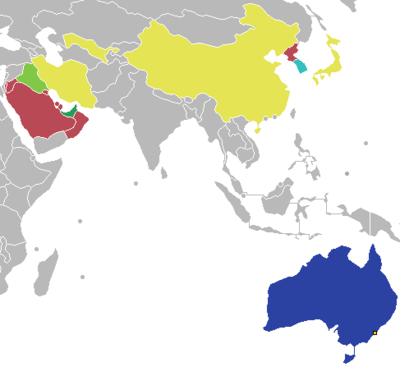
AFC Asian Cup 2007 Australia V Oman








The Apex of Asian Football
The AFC Asian Cup stands as the preeminent international association football competition for men's national teams affiliated with the Asian Football Confederation (AFC). Established in 1956, it holds the distinction of being the world's second-oldest continental football championship, trailing only the venerable Copa América. Its inception marked a crucial step in fostering footballing identity and competition across Asia.
Initially held quadrennially, the tournament's scheduling has seen strategic adjustments to optimize its visibility and avoid clashes with other major global sporting events. A notable shift occurred after the 2004 edition, leading to the 2007 tournament being uniquely co-hosted by four Southeast Asian nations: Indonesia, Malaysia, Thailand, and Vietnam. This collaborative hosting demonstrated a growing regional cooperation and ambition.
The tournament's format has also evolved, most recently expanding from 16 to 24 participating teams starting with the 2019 edition, significantly increasing its inclusivity and competitive landscape.
A Legacy of Dominance and Shifting Tides
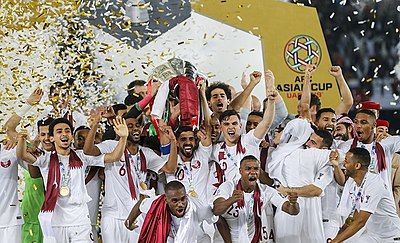
The history of the AFC Asian Cup is characterized by periods of sustained dominance by a select few nations, reflecting the established footballing hierarchies within the continent. Japan has emerged as the most successful team, clinching the title a record four times. Iran and Saudi Arabia have each achieved three championships, solidifying their status as continental powerhouses. South Korea and Qatar have also tasted victory on multiple occasions, securing two titles each.
However, the tournament has also witnessed memorable triumphs from less frequent winners, such as Australia's victory in 2015, Iraq's surprising win in 2007, and Kuwait's championship in 1980. Israel's sole victory in 1964 is a historical footnote, as the nation was later expelled from the AFC and subsequently joined UEFA. Australia's entry into the AFC in 2007 and their subsequent triumph on home soil in 2015 highlights the dynamic nature of the competition and the increasing competitiveness across the confederation.
The Multifaceted Significance of the Asian Cup
The AFC Asian Cup transcends mere sporting competition; it serves as a powerful symbol of national identity, regional pride, and cultural exchange. For participating nations, victory offers immense prestige, galvanizing national spirit and inspiring future generations of footballers. The tournament acts as a vital platform for player development, exposing talent to high-stakes international competition and potentially opening doors to global leagues.
Furthermore, the expansion of the tournament to 24 teams underscores a commitment to greater inclusivity and the growth of football across a wider geographical area within Asia. The qualifying process, now integrated with FIFA World Cup qualifiers, adds another layer of strategic importance, allowing teams to pursue dual objectives. The event's growing viewership and commercial appeal also contribute significantly to the economic and sporting landscape of the host nations and the AFC as a whole.
Navigating the Tournament
The AFC Asian Cup operates under a well-defined structure designed to identify the continent's best team. The journey begins with an extensive qualification phase, where national teams compete over several years to secure one of the coveted spots in the final tournament. Once qualified, teams are divided into groups for the initial group stage.
Here, they play round-robin matches, with the top teams advancing. The subsequent phase is the knockout stage, a high-pressure elimination format where each match is decisive; a loss means immediate exit from the competition. This culminates in the semi-finals and the grand final, where the two remaining teams battle for the ultimate prize: the AFC Asian Cup trophy and the title of Asian champions.
The strategic depth required, from tactical formations to player management across demanding schedules, makes the tournament a true test of footballing prowess and resilience.
See also
Based on content from Wikipedia · Licensed under CC BY-SA 4.0