

Kuwait
Images
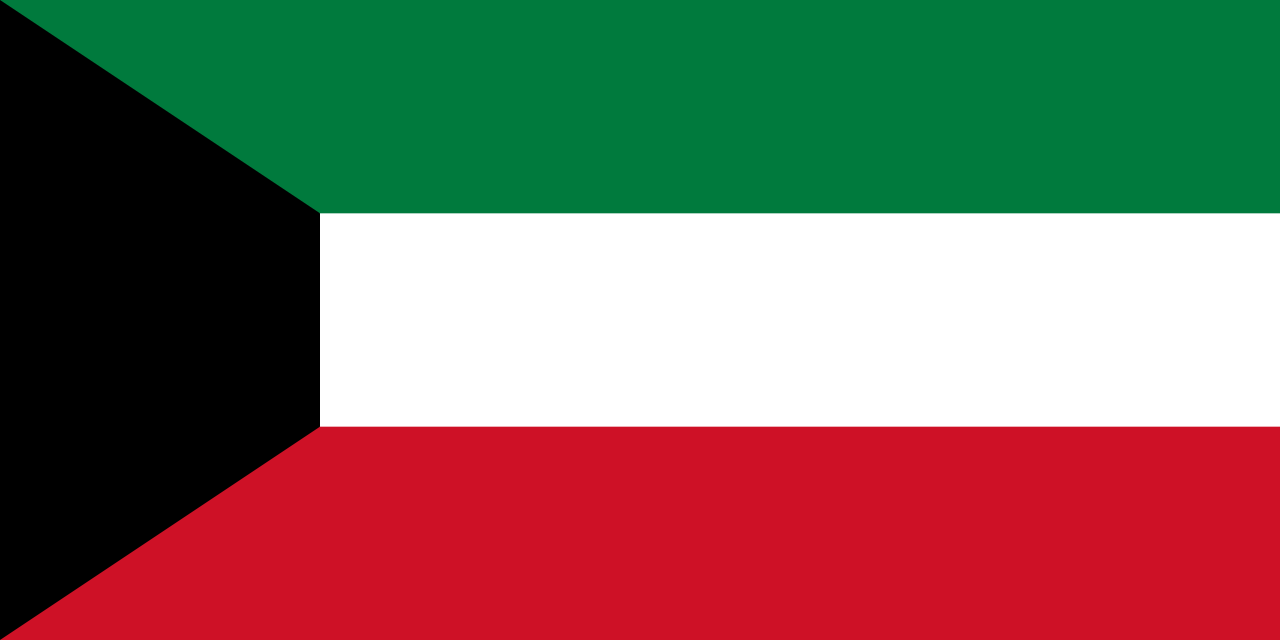
Kuwait
Opens Google Maps in new tab
Geographic Determinants and Urbanization
Kuwait's geography is a fundamental aspect of its identity and history. Situated at the northwestern tip of the Persian Gulf, it occupies a strategic position bordering Iraq to the north and west, and Saudi Arabia to the south. Its coastline, approximately 500 km in length, provides crucial maritime access and has historically facilitated trade.
The landscape is predominantly arid desert, characterized by sand dunes, rocky plains, and extreme temperatures, with limited natural freshwater resources. This environment has historically dictated settlement patterns, concentrating populations in coastal areas and around oases. Modern Kuwait is largely a city-state, with the vast majority of its 4.82 million inhabitants residing in the urban agglomeration of Kuwait City.
This high degree of urbanization, coupled with a significant foreign-born population (over 65% of residents), shapes the country's social and economic dynamics, presenting both opportunities for cultural exchange and challenges in national identity.
A Tapestry of Time
The territory of modern Kuwait has been a site of human activity since antiquity, strategically positioned near the confluence of the Tigris and Euphrates rivers, making it a natural hub for ancient trade routes. By the early 18th century, the area was recognized as the Sheikdom of Kuwait, eventually falling under British protection in 1899. The discovery of significant oil reserves in 1938 irrevocably altered Kuwait's trajectory, transforming it from a modest trading port into a nation with immense potential wealth.
The formal end of the British protectorate in June 1961 ushered in an era of full independence. The subsequent decades saw rapid modernization fueled by oil revenues, leading to substantial infrastructural development. However, Kuwait's modern history is also marked by significant geopolitical turmoil, including pro-Iranian attacks during the Iran-Iraq War and, most notably, the Iraqi invasion and annexation in 1990.
The liberation of Kuwait in 1991 by a U.S. and Saudi Arabia-led international coalition during the Gulf War remains a pivotal event in its recent past.
Cultural Influence and Societal Dynamics
Kuwait stands out in the region as a significant cultural producer, often referred to as the 'Hollywood of the Gulf.' This moniker stems from its influential role in popular culture, particularly in television drama (soap operas), theater, radio, and music, which are widely exported to neighboring Gulf Cooperation Council (GCC) states. Kuwait was a pioneer in establishing the oldest modern arts movement on the Arabian Peninsula, nurturing prominent regional artists.
The nation's official religion is Islam, with the Maliki school of Sunni Islam being predominant. The societal structure is notably diverse, with foreign nationals comprising a substantial majority of the population, hailing from over 100 countries. This demographic composition contributes to a dynamic cultural landscape but also presents unique social integration considerations.
Kuwait's active participation in regional and international bodies like the GCC, the United Nations, the Arab League, and OPEC underscores its engagement with global affairs.
Economic Foundation and Global Standing
The Kuwaiti economy is fundamentally built upon its vast oil wealth, possessing the world's sixth-largest proven oil reserves. This resource underpins its status as a high-income economy. The period from 1946 to 1982 was characterized by extensive modernization driven largely by oil revenues, leading to significant advancements in infrastructure, education, and healthcare.
While oil remains the dominant sector and primary export, Kuwait has recognized the need for economic diversification to mitigate reliance on a single commodity. Efforts are underway to develop other sectors and foster private enterprise. The country's economic stability and influence are further amplified by its role as a founding member of the GCC and its participation in OPEC, highlighting its importance in global energy markets and regional economic cooperation.
Governance and National Structure
Kuwait operates as an emirate, a form of government where the head of state is an emir. The ruling Al Sabah family has historically dominated the country's political system, maintaining a significant influence over governance. While the emir holds executive authority, Kuwait also possesses a parliament, the National Assembly, which allows for a degree of legislative representation and public discourse.
This unique blend of hereditary rule and elected representation shapes Kuwait's political landscape. The country's commitment to education is evident in its efforts to provide quality schooling and foster intellectual development, contributing to its role as a cultural hub. Kuwait's foreign policy often emphasizes neutrality and regional cooperation, though it has been tested by regional conflicts, as seen during the Gulf War.
Go deeper
Based on content from Wikipedia · Licensed under CC BY-SA 4.0