

Aconcagua: The Giant of the Andes!
Images

Aconcagua




The Apex of the Americas
Aconcagua, situated in the Principal Cordillera of the Andes in Mendoza Province, Argentina, is a mountain of immense geographical significance. Its summit elevation of 6,967.15 meters (22,858.1 feet) makes it the highest point not only in South America but also in the entire Western Hemisphere and Southern Hemisphere. This distinction places it as the highest mountain outside of Asia, a fact that underscores its global prominence in the world of geography and mountaineering.
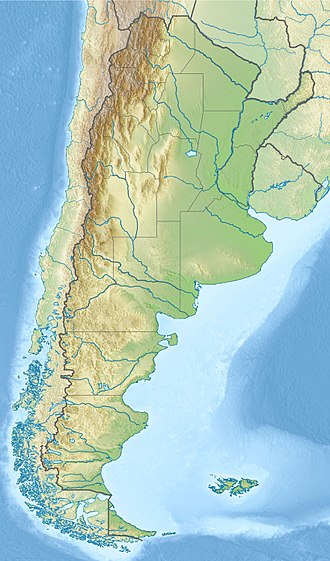
Its location, approximately 112 kilometers (70 miles) northwest of Mendoza city, positions it as a dominant feature in the regional landscape, influencing weather patterns and serving as a natural boundary marker, though it lies a few kilometers from the border with San Juan Province and about 15 km from Chile.
Cryosphere and Hydrology
The mountain is characterized by a significant cryosphere, with numerous glaciers adorning its formidable slopes. The Ventisquero Horcones Inferior, a glacier extending about 10 kilometers (6 miles) from the south face down to an elevation of approximately 3,600 meters (11,800 feet), is the largest. Other substantial glacial systems include the Ventisquero de las Vacas Sur and the Glaciar Este/Ventisquero Relinchos system, each around 5 kilometers (3 miles) long.
The northeastern or Polish Glacier is particularly well-known, not just for its size but as a common and historically significant route for ascents, attracting climbers from around the globe and contributing to the mountain's legendary status in mountaineering history.
Aconcagua in the Pantheon of Mountaineering
Aconcagua holds a revered position in the mountaineering community as one of the Seven Summits – the highest peaks on each of the seven continents. This status elevates it beyond a mere geographical landmark to a symbol of human endurance and exploration. While often considered one of the more accessible of the Seven Summits due to the absence of technical ice climbing on its standard routes, its extreme altitude presents a formidable physiological challenge.
Climbers must contend with severe cold, high winds, and the debilitating effects of hypoxia, requiring meticulous planning, acclimatization, and a high level of physical and mental conditioning. The mountain serves as a crucial training ground for those aspiring to climb even higher peaks, like Mount Everest.
Conservation and Human Interaction
The mountain and its surrounding environment are protected under the Aconcagua Provincial Park. This designation is vital for preserving the unique alpine ecosystems and the geological integrity of the region. The park manages the influx of visitors, primarily climbers and trekkers, aiming to balance tourism with conservation efforts.
Understanding the park's regulations and environmental impact is crucial for all who visit. The park's existence highlights the growing recognition of the need to protect such iconic natural landscapes from overuse and environmental degradation, ensuring Aconcagua remains a majestic natural wonder for future generations.
Geopolitical and Economic Implications
While Aconcagua itself is within Argentina, its proximity to the border with Chile means it plays a subtle role in regional geography and potentially in historical territorial discussions. Economically, the mountain is a significant draw for adventure tourism in Mendoza Province. Climbing expeditions, guided tours, and related services generate revenue and employment, contributing to the local economy.
The infrastructure developed to support these activities, such as access roads and visitor centers, further integrates the mountain into the region's economic landscape. Its status as a world-renowned peak ensures its continued importance as a driver of specialized tourism.
Go deeper
Frequently Asked Questions
What is Aconcagua and why is it special?+
Where is Aconcagua located?+
Why do climbers like the Polish Glacier route?+
How many glaciers are on Aconcagua?+
What is the Aconcagua Provincial Park?+
Based on content from Wikipedia · Licensed under CC BY-SA 4.0