

The Secret Meeting to Choose a New Pope!
Images
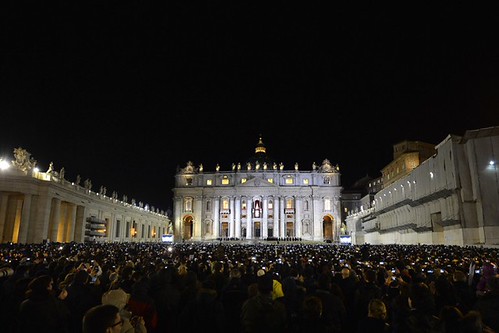
VATICAN-POPE-VOTE-CONCLAVE-FRANCIS I


A Precedent-Setting Resignation and the Call to Conclave
The 2013 papal conclave was an event of profound historical significance, largely due to the unprecedented resignation of Pope Benedict XVI on February 28, 2013. This marked the first papal resignation in nearly 600 years, a departure from the long-standing tradition of popes serving until death. Benedict XVI cited his declining strength due to his advanced age as the reason for his decision, a move that immediately set in motion the complex and ancient process of electing a successor.
The cardinals, who are the highest-ranking members of the Catholic clergy, were summoned to Rome for the conclave. The rules for a papal election are strict, designed to ensure the integrity and secrecy of the process. The conclave is essentially a closed-door assembly where the cardinal electors deliberate and vote until a new Pope is chosen.
The decision for Benedict XVI to resign created a unique situation, as it meant the conclave would be electing a Pope to succeed another living Pope, a scenario not seen for centuries, adding an extra layer of historical weight to the proceedings.
The Enclave of the Sistine Chapel
The conclave convened on March 12, 2013, within the hallowed walls of the Sistine Chapel in Vatican City. This iconic location, renowned for Michelangelo's breathtaking frescoes, becomes a self-contained world during a papal election. The 117 cardinal electors, all under the age of 80 and thus eligible to vote, were sequestered from the outside world.
This strict isolation is crucial to prevent any external influence or pressure on their decision-making. They live and work within the Vatican, with all communication to the outside world severed. The process involves multiple ballots, with cardinals casting their votes in secret.
The ballots are then burned, and the color of the smoke emitted from a chimney signals the outcome of each round. Black smoke indicates that no candidate has secured the required two-thirds majority, while white smoke signifies that a new Pope has been elected. This ancient method of communication, while seemingly primitive, is a powerful symbol understood globally, uniting the Church in anticipation and prayer.
The Road to White Smoke
The 2013 conclave proceeded through several ballots. The cardinals engaged in prayer, reflection, and discussion, weighing the qualities and visions of the potential candidates. The process is designed to foster consensus and ensure that the chosen leader is widely accepted by the college of cardinals.
On the second day of the conclave, during the fifth ballot, a decisive outcome was reached. Cardinal Jorge Mario Bergoglio, the Archbishop of Buenos Aires, Argentina, was elected as the new Pope. His election was a momentous occasion for several reasons.
He became the first Pope from the Americas, a significant geographical shift that reflected the global reach of the Catholic Church. Furthermore, he was the first non-European Pope in over 1,200 years, breaking a long-standing tradition. Upon his election, he was asked if he accepted the role and what name he wished to take.
He chose the name Francis, a tribute to Saint Francis of Assisi, signaling a potential emphasis on humility, service, and care for the poor and the environment.
The Significance of Pope Francis's Election
The election of Pope Francis in 2013 carried immense significance, both within the Catholic Church and on the global stage. His Argentinian heritage and his status as the first Pope from the Southern Hemisphere represented a powerful symbol of inclusivity and a recognition of the Church's growing presence in Latin America. His choice of the name Francis immediately signaled a pastoral focus, drawing parallels with the saint known for his simplicity, poverty, and dedication to creation.
This election marked a departure from the more European-centric leadership of recent pontificates and suggested a renewed emphasis on social justice, environmental stewardship, and outreach to the marginalized. The conclave itself, following a rare papal resignation, underscored the adaptability of the Church's ancient structures to modern circumstances, demonstrating that tradition can coexist with necessary change. The global attention garnered by the conclave and the subsequent papacy of Francis highlighted the enduring influence and relevance of the Catholic Church in contemporary society.
See also
Frequently Asked Questions
What is a papal conclave and why is it secret?+
Why did Pope Benedict XVI resign in 2013?+
How do the cardinals decide who becomes Pope?+
Who was elected Pope in 2013 and why was it special?+
What does the white smoke mean during a conclave?+
Based on content from Wikipedia · Licensed under CC BY-SA 4.0