

The Catholic Church: A Big Family of Faith!
Images
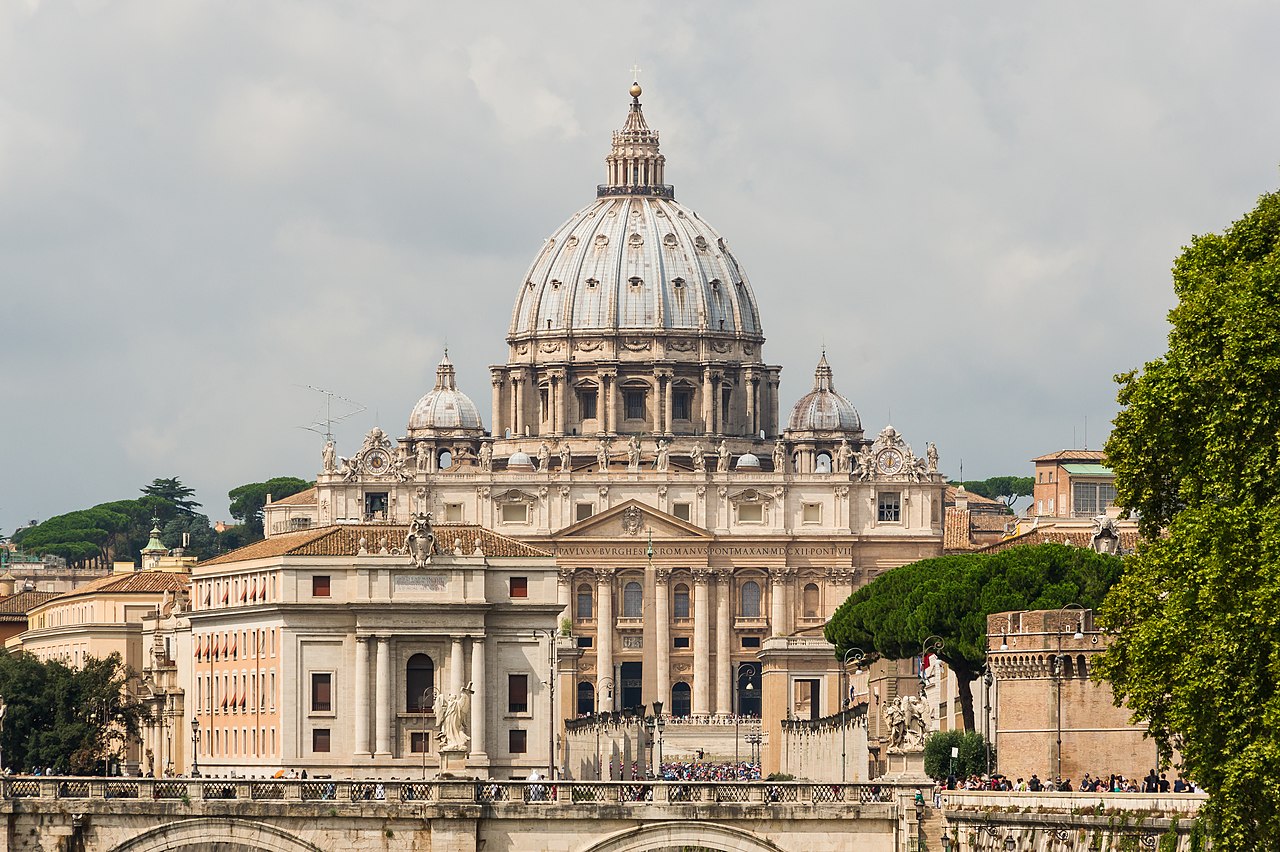
Catholic Church
The Catholic Church
The Catholic Church stands as the largest Christian communion globally, with over 1.3 billion adherents. Its identity is rooted in the belief that it was founded by Jesus Christ and that its leadership traces an unbroken line back to the Apostle Peter, a concept known as apostolic succession. The visible head of this communion is the Pope, who resides in Vatican City, an independent ecclesiastical state.
The Church's governance is hierarchical, comprising bishops, priests, and deacons, all operating within a complex canon law system. This structure facilitates the administration of sacraments, the dissemination of doctrine, and the coordination of global initiatives in areas such as education, healthcare, and humanitarian aid. The Church's teachings, codified in the Catechism of the Catholic Church, address a vast array of human experiences, from theological mysteries to ethical dilemmas, providing a comprehensive worldview for its followers.
From Apostolic Beginnings to Global Expansion
The origins of the Catholic Church are inextricably linked to the life, death, and resurrection of Jesus Christ in 1st-century Judea. The early Christian communities, guided by the apostles, rapidly spread the Gospel throughout the Roman Empire and beyond. The Church's development was profoundly shaped by its engagement with Hellenistic philosophy and Roman culture, leading to the formation of its theological doctrines and liturgical practices.
Key historical periods, such as the Great Schism of 1054 (which separated the Eastern Orthodox Church) and the Protestant Reformation in the 16th century, significantly altered its landscape but did not diminish its global reach. The Church's missionary efforts throughout history have led to its establishment on every continent, making it a truly universal institution that has influenced art, architecture, law, and political thought for millennia.
The Enduring Significance of Catholic Faith and Practice
The Catholic Church's significance extends far beyond its membership numbers. It serves as a primary custodian of Western cultural heritage, preserving ancient texts, fostering artistic masterpieces, and influencing philosophical discourse. The Church's consistent emphasis on the dignity of the human person, derived from its belief that all are created in the image of God, has been a foundational element in the development of human rights concepts.
Furthermore, its extensive network of educational institutions, hospitals, and charitable organizations provides essential services to millions worldwide, often in underserved regions. The Church's moral teachings, particularly its stances on issues like poverty, war, and bioethics, continue to be subjects of global debate and influence international policy and ethical considerations.
Contemporary Engagement and Future Trajectories
In the modern era, the Catholic Church navigates complex contemporary challenges, including secularization, interfaith dialogue, and internal debates on social and theological issues. The papacy, particularly under recent pontiffs, has increasingly focused on social justice, environmental stewardship (as articulated in Pope Francis's encyclical 'Laudato si''), and interreligious cooperation. The Church actively engages in ecumenical efforts to foster unity among Christian denominations and participates in dialogues with other world religions.
Internally, discussions surrounding the role of women, the interpretation of scripture, and pastoral approaches to evolving societal norms are ongoing. The Church's ability to adapt while maintaining its core theological tenets will continue to shape its influence and relevance in the 21st century and beyond.
Go deeper
Frequently Asked Questions
What is the Catholic Church?+
Who is the Pope?+
How does the Catholic Church help people around the world?+
Why does the Catholic Church have bishops, priests, and deacons?+
What are some big changes the Catholic Church has seen?+
Based on content from Wikipedia · Licensed under CC BY-SA 4.0