

Taiga: The Amazing Forest of the North!
Images
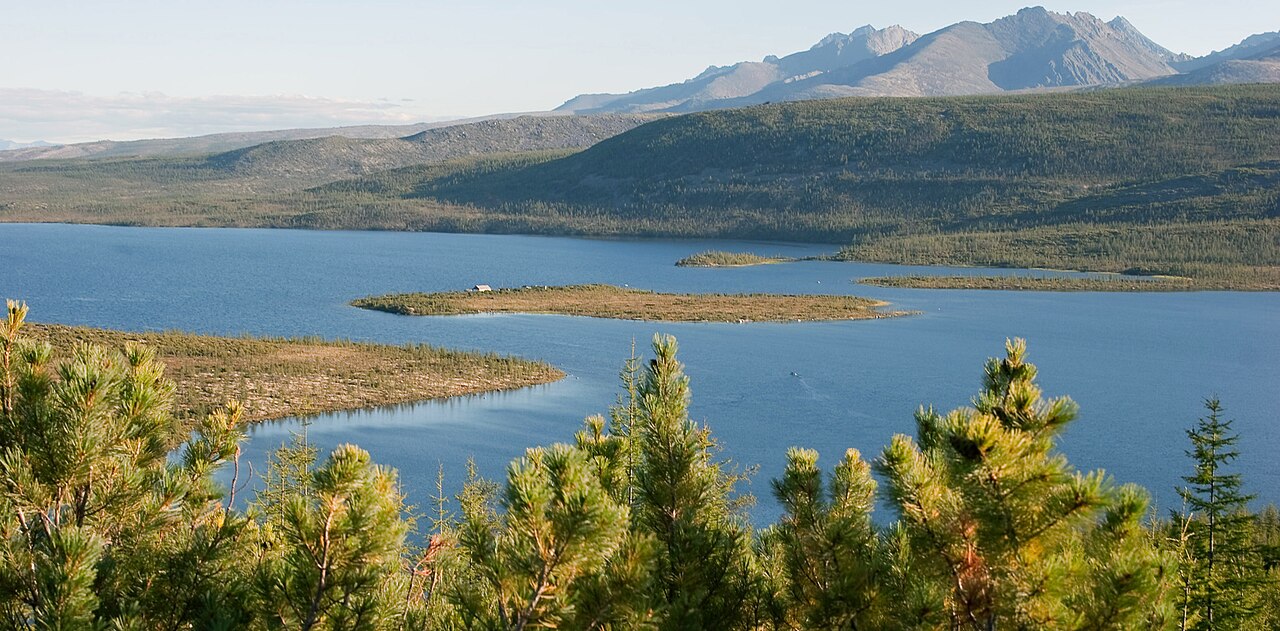
Taiga
Defining the Boreal Realm
The taiga, or boreal forest, represents the largest terrestrial biome on Earth, forming a continuous belt across the high latitudes of the Northern Hemisphere. Its geographical distribution spans from the subarctic regions of North America (Canada and Alaska) and Eurasia (Scandinavia, Russia, Siberia) down to the temperate zones, bordering the Arctic tundra to the north and temperate forests or grasslands to the south.
This biome is fundamentally defined by its climate: long, severely cold winters with prolonged periods of sub-zero temperatures, and short, cool to mild summers. Annual precipitation is generally moderate, often falling as snow, and evaporation rates are low due to the cool temperatures. The soil, known as podzol, is typically acidic and nutrient-poor, a result of slow decomposition rates under cold conditions and the leaching effect of coniferous needle litter.
This challenging environment dictates the specialized flora and fauna that can survive here.
Flora and Fauna Adaptations
The plant life of the taiga is dominated by hardy coniferous trees, primarily spruce (Picea spp.), pine (Pinus spp.), and fir (Abies spp.). These species exhibit remarkable adaptations: their needle-like leaves have a reduced surface area to minimize water loss through transpiration and are covered in a waxy cuticle. Their conical shape allows snow to slide off easily, preventing branch breakage under heavy snow loads. Deciduous trees like birch (Betula spp.) and aspen (Populus spp.) are also present, often colonizing disturbed areas or growing in mixed stands. Animal life in the taiga showcases equally impressive adaptations.
Large herbivores like moose (Alces alces) and caribou (Rangifer tarandus) possess thick fur coats and specialized digestive systems to process tough vegetation. Predators such as wolves (Canis lupus) and lynx (Lynx canadensis) have developed keen senses and hunting strategies to survive in this challenging landscape. Many smaller mammals exhibit adaptations like hibernation (e.g., ground squirrels), torpor, or the ability to change fur color for camouflage, such as the snowshoe hare (Lepus americanus) and arctic fox (Vulpes lagopus).
Birds often migrate seasonally to escape the harshest winter conditions.
Ecological Processes and Biodiversity
Despite its reputation for being sparsely populated, the taiga supports a significant level of biodiversity, particularly in its invertebrate and avian communities. The slow decomposition rates in the cold climate mean that organic matter accumulates, forming thick layers of peat in some areas, especially in wetter regions. This accumulation contributes to the taiga's role as a major global carbon sink. Forest fires are a natural and important ecological process in the taiga, clearing out deadwood, releasing nutrients back into the soil, and promoting the regeneration of fire-adapted tree species like lodgepole pine.
These disturbances create a mosaic of forest ages and types, enhancing habitat diversity. While large mammal populations can fluctuate significantly with climate and resource availability, the taiga provides essential breeding grounds for millions of migratory birds and is home to numerous insect species that form the base of the food web.
Global Significance
The taiga's ecological importance extends far beyond its geographical boundaries. As the largest terrestrial biome, it plays a critical role in global climate regulation. The vast expanse of coniferous forests acts as a massive carbon sink, absorbing an estimated 10-15% of the world's anthropogenic carbon dioxide emissions through photosynthesis and storing vast quantities of carbon in its biomass and soils.
This function is crucial for mitigating climate change. The taiga also influences regional and global weather patterns through evapotranspiration. Furthermore, the boreal forest is a significant source of natural resources, providing timber for construction, pulp for paper production, and supporting industries like hunting and ecotourism.
However, it is increasingly threatened by climate change, including rising temperatures, altered precipitation patterns, increased frequency of wildfires, and insect outbreaks, as well as by human activities such as logging and resource extraction, highlighting the urgent need for sustainable management and conservation efforts.
Go deeper
Frequently Asked Questions
What is the taiga and where does it grow?+
Why are the trees in the taiga shaped like cones?+
How do animals survive the cold winters in the taiga?+
What happens when a forest fire burns in the taiga?+
Why is the taiga important for the planet?+
Based on content from Wikipedia · Licensed under CC BY-SA 4.0