

Syrian Armed Forces
Images
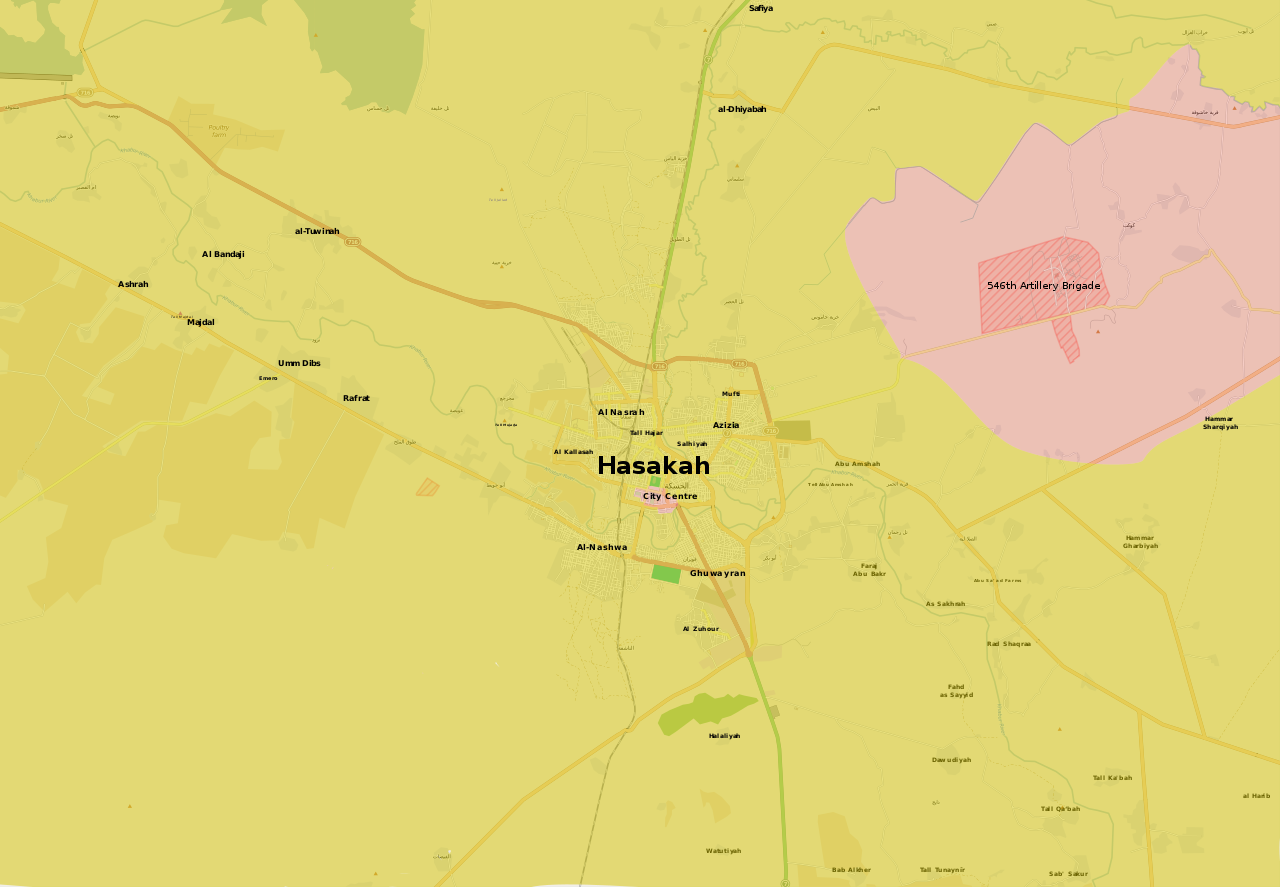
Battle of Hasakah


Structure and Command of the Syrian Armed Forces
The Syrian Armed Forces, until their recent transformation, were structured into several distinct branches, each with specific roles. The Syrian Arab Army formed the largest component, responsible for territorial defense and offensive ground operations. The Syrian Arab Air Force operated combat aircraft, helicopters, and transport planes, crucial for air superiority and logistical support.
The Syrian Arab Navy maintained control over Syria's maritime interests and coastal defense. A critical element was the Syrian Arab Air Defence Force, which integrated surface-to-air missile systems and anti-aircraft artillery to counter aerial threats, often acting in concert with the Air Force. Paramilitary organizations, such as the National Defence Forces, supplemented the regular army, particularly in internal security roles.
The President of Syria served as the supreme Commander-in-Chief, with the Minister of Defense acting as the Deputy Commander, overseeing the strategic direction and operational readiness of these forces. This hierarchical structure was designed to ensure centralized control and rapid response to perceived threats, both internal and external.
A History Forged in Conflict and Coups
The evolution of the Syrian Armed Forces is inextricably linked to the nation's turbulent political history since its independence in 1943. The military quickly became a dominant force in Syrian politics, orchestrating a series of six military coups: two in 1949, and one each in 1951, 1954, 1963, 1966, and 1970. These coups underscore the military's role as a kingmaker and a primary instrument of political change.
Beyond internal power struggles, the armed forces were engaged in significant regional conflicts. They fought four major wars against Israel: the 1948 Arab-Israeli War, the Six-Day War (1967), the Yom Kippur War (1973), and the 1982 Lebanon War. A notable internal conflict, 'Black September' in Jordan in 1970, also involved Syrian forces.
The military's reach extended to international deployments, including participation in the 1990-91 Gulf War, and a long-standing military presence in Lebanon from 1976 to 2005, which significantly shaped regional dynamics.
Internal Security and the Syrian Civil War
The Syrian Armed Forces played a pivotal role in maintaining internal stability and suppressing dissent throughout much of their existence. They were instrumental in quelling the Islamist uprising that occurred between 1979 and 1982, a period marked by significant internal conflict. However, their most extensive and devastating engagement came with the Syrian Civil War, which began in 2011 and continued until late 2024.
This protracted conflict became the most violent and challenging operation the Syrian Army had ever undertaken, leading to immense casualties and widespread destruction. The military's actions during the civil war had profound humanitarian consequences and reshaped the country's internal security landscape, leading to the eventual collapse of the Ba'ath Party regime and a fundamental reevaluation of the armed forces' role and structure.
Manpower and Societal Integration
The operational capacity of the Syrian Armed Forces was largely sustained through a system of mandatory military conscription for male citizens. Upon reaching the age of 18, most young men were required to enlist for a period of service. This policy ensured a consistent influx of personnel to fill the ranks across various military branches.
However, the system included provisions for exemptions, notably for individuals who were the sole male heirs responsible for supporting their parents, reflecting a consideration for family obligations. Women were explicitly exempt from conscription, meaning that military service was predominantly a male responsibility. This approach to manpower acquisition shaped the relationship between the military and Syrian society, making military service a common rite of passage for young men and influencing demographic and social structures.
The Post-Regime Military Landscape
The dramatic fall of the Ba'ath Party regime in December 2024 marked a watershed moment for the Syrian Armed Forces. The collapse of the existing government and the flight of Bashar al-Assad necessitated a complete reevaluation of the nation's military structure and strategic objectives. The new Syrian transitional government is now tasked with the monumental challenge of reorganizing the armed forces.
This includes establishing new leadership, defining new roles and responsibilities, and potentially restructuring the branches to align with the country's evolving security needs and geopolitical context. Reports indicate the appointment of new defense ministers and chiefs of staff, signaling the beginning of this significant transformation. The future of Syria's military power is currently being redefined.
Go deeper
Frequently Asked Questions
What are the different parts of the Syrian Armed Forces?+
Who is the top boss of the Syrian Armed Forces?+
Which wars has the Syrian Armed Forces fought?+
What changed about the Syrian Armed Forces in late 2024?+
How do young men become part of the Syrian Armed Forces?+
Based on content from Wikipedia · Licensed under CC BY-SA 4.0