

Suriname: The Rainforest Country!
Images
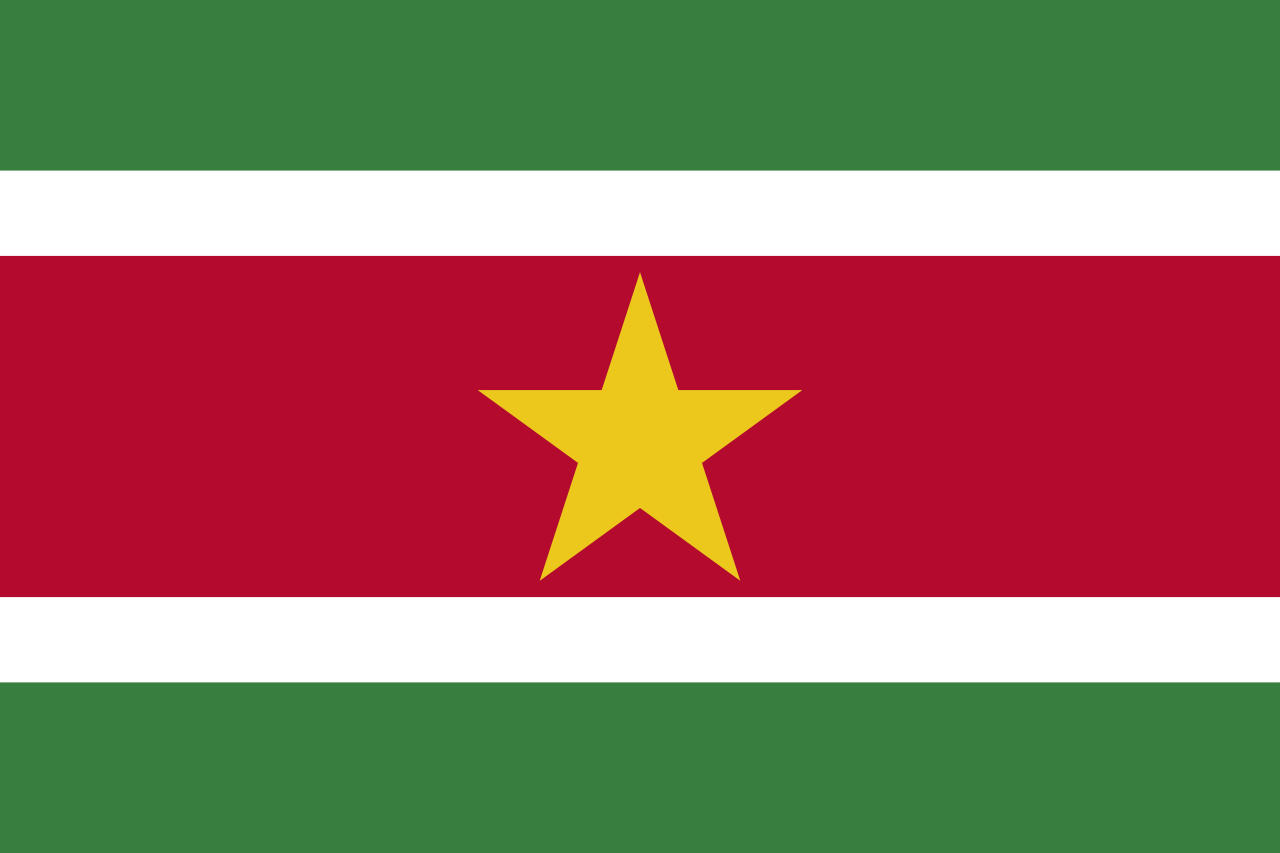
Suriname
Geographic Identity
Suriname occupies a unique geographical niche in northern South America, often considered a bridge between the continent and the Caribbean. Its defining characteristic is its extraordinary forest cover, with over 90% of its territory blanketed by pristine rainforest, the highest percentage of any nation globally. This vast, biodiverse jungle is a critical component of the Amazon Basin.
Despite this immense natural wealth, the population is concentrated along the narrow northern coastal plain, with the capital city, Paramaribo, being home to roughly half of the nation's 612,985 inhabitants. This creates a striking contrast between densely populated urban centers and vast, sparsely inhabited wilderness. Bordered by the Atlantic Ocean to the north, French Guiana to the east, Guyana to the west, and Brazil to the south, Suriname is the smallest sovereign state in South America by both land area (163,820 sq km) and population, making its environmental stewardship particularly significant.
A Tapestry of History
The human history of Suriname stretches back to the fourth millennium BC, with indigenous peoples like the Arawaks, Caribs, and Wayana establishing settlements. European arrival in the 16th century led to a period of contestation, culminating in Dutch control over most of the territory by the late 17th century. Under Dutch rule, Suriname developed into a highly profitable plantation colony, primarily focused on sugar production.
This economic model was tragically built upon the brutal exploitation of approximately 300,000 enslaved Africans transported during the transatlantic slave trade from the mid-1600s to the early 1800s. Following the abolition of slavery in 1863, the Dutch recruited indentured laborers, predominantly from British India and the Dutch East Indies, further diversifying the population. Suriname transitioned to a constituent country within the Kingdom of the Netherlands in 1954 before achieving full independence on November 25, 1975.
Despite independence, strong diplomatic, economic, and cultural ties with the Netherlands persist.
Cultural Synthesis
Surinamese culture is a vibrant testament to its complex history and diverse population. It is the only independent nation outside of Europe where Dutch serves as the official language of government, business, media, and education, with about 60% of the population speaking it natively. However, Sranan Tongo, an English-based creole language, functions as a widely used lingua franca, reflecting the historical interactions between different linguistic groups.
The society is exceptionally diverse, with no single ethnic group forming a majority. Descendants of enslaved Africans and indentured laborers from Asia form the core of the population, alongside indigenous peoples and smaller European and Chinese communities. This heterogeneity results in a unique cultural landscape, notably featuring some of the largest Muslim and Hindu populations per capita in the Americas, contributing to a rich mosaic of traditions, religions, and festivals.
Economic Landscape
Suriname is classified as a developing country with a high level of human development, yet its economy is heavily reliant on its abundant natural resources. Key industries include the extraction of bauxite, gold, and petroleum, alongside significant agricultural production. This dependence on primary commodities makes the nation vulnerable to global market fluctuations.
The country actively participates in regional and international organizations, holding membership in the Caribbean Community (CARICOM), the United Nations, the Organisation of Islamic Cooperation, and the Organization of American States, reflecting its multifaceted geopolitical and economic relationships. Efforts are ongoing to diversify the economy and promote sustainable development, balancing resource exploitation with environmental conservation, particularly in its vast rainforest territories.
Governance and Education
As a republic, Suriname operates under a parliamentary democratic system. The government is structured with a president as head of state and government, elected by the National Assembly. The political landscape reflects the nation's diverse society, with various parties representing different ethnic and ideological interests.
Education is a key focus for the government, aiming to provide accessible and quality learning opportunities across the nation. The official language of instruction is Dutch, though Sranan Tongo is also widely used. The educational system strives to equip its citizens with the skills needed to contribute to the country's development, balancing the preservation of cultural heritage with the demands of a globalized world.
Challenges include ensuring equitable access to education, particularly in remote rainforest areas, and adapting curricula to address the nation's unique environmental and cultural context.
Go deeper
Based on content from Wikipedia · Licensed under CC BY-SA 4.0