

The Sui Dynasty: Builders of Big Things!
Images
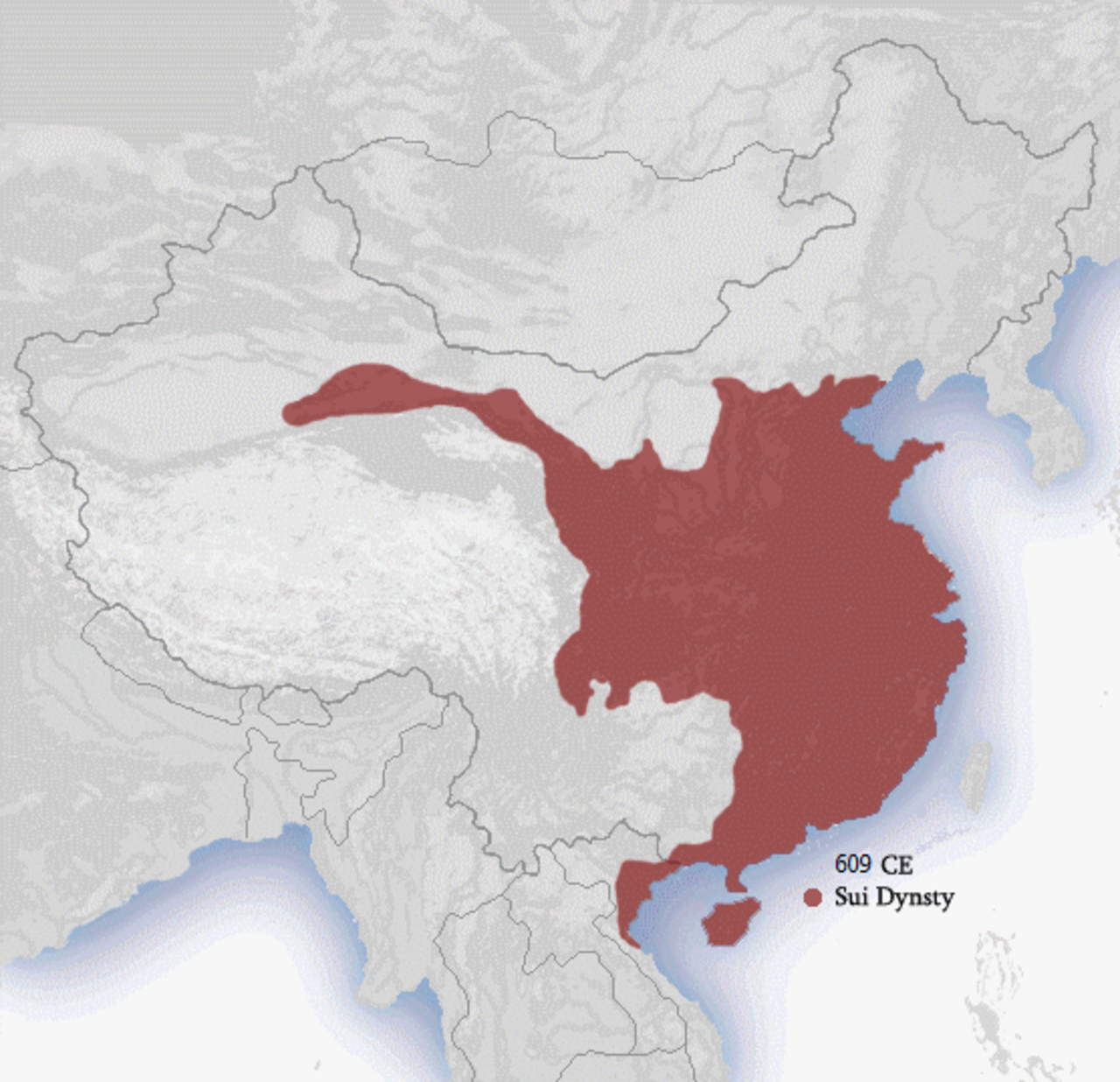
Sui dynasty
The Sui Restoration
The Sui Dynasty emerged from the turbulent Northern and Southern Dynasties period, a centuries-long era of political fragmentation and warfare in China. Emperor Wen of Sui, born Yang Jian, masterfully leveraged military strength and strategic alliances to conquer the rival southern dynasties, officially establishing the Sui Dynasty in 581 AD. His reign was characterized by a deliberate effort to consolidate power and rebuild a unified Chinese state.
This involved implementing administrative reforms, standardizing legal codes, and promoting a sense of national identity after prolonged division. The Sui rulers understood that true strength lay not just in military conquest but in effective governance and the creation of a stable, centralized empire. Their success in ending over 350 years of disunity was a monumental achievement that profoundly impacted China's trajectory.
The Grand Canal
Perhaps the most enduring legacy of the Sui Dynasty is the Grand Canal. Initiated and significantly expanded under Emperor Yang of Sui, this colossal engineering project aimed to link the Yellow River basin in the north with the Yangtze River basin in the south. The canal served multiple critical purposes: facilitating the transport of grain from the agriculturally rich south to the populous north, enabling troop movements for defense and expansion, and fostering trade and cultural exchange across the vast empire.
Its construction involved immense labor, often under harsh conditions, and required sophisticated hydraulic engineering. The Grand Canal not only revolutionized logistics and economic integration within China but also became a symbol of imperial power and ambition, influencing Chinese development for over a millennium and remaining a vital artery of commerce today.
Administrative Innovations and Imperial Ambitions
Beyond its monumental construction projects, the Sui Dynasty implemented significant administrative reforms that laid the groundwork for future dynasties. The re-establishment and refinement of the imperial examination system, which had roots in earlier periods, allowed for a more meritocratic selection of officials. This system, designed to identify talented individuals regardless of their social background, helped to create a more efficient and loyal bureaucracy.
The Sui also standardized currency, weights, and measures, further streamlining economic activity and imperial control. However, Emperor Yang's ambitious projects and military campaigns, particularly his costly invasions of Goguryeo (a kingdom in modern-day Korea), placed immense strain on the empire's resources and manpower, ultimately contributing to widespread discontent and rebellion.
The Sui's Brief Reign and Lasting Influence
Despite their profound achievements, the Sui Dynasty proved to be remarkably short-lived, collapsing in 618 AD due to internal rebellions fueled by the heavy burdens of their grand projects and military endeavors. The exhaustion of state resources and the suffering of the populace led to the dynasty's downfall. Nevertheless, the Sui Dynasty's impact on Chinese history is undeniable.
They successfully reunified the empire, ending a long period of division and establishing a centralized political structure. Their construction of the Grand Canal fundamentally reshaped China's economic and logistical landscape, fostering unity and prosperity for centuries. The administrative reforms they introduced, particularly the examination system, became a cornerstone of Chinese governance for over a thousand years.
The Sui Dynasty, though brief, served as a crucial bridge between the fragmented past and the glorious imperial future, most notably the succeeding Tang Dynasty.
Sui Dynasty
The Sui Dynasty (581–618 AD) was a pivotal period in Chinese history, characterized by the reunification of the country after centuries of division and the ambitious construction of infrastructure. Emperor Wen of Sui is credited with reunifying China, ending the Northern and Southern Dynasties period. His successor, Emperor Yang of Sui, is known for his grand projects, most notably the expansion and connection of the Grand Canal, which linked the Yellow and Yangtze Rivers.
This canal was crucial for transporting grain and facilitating trade, becoming a vital artery for the empire. The Sui also reformed the government, re-establishing the imperial examination system to select officials based on merit. However, the immense cost of these projects and Emperor Yang's military campaigns led to popular discontent and ultimately the dynasty's collapse.
The Sui Dynasty's legacy lies in its reunification of China and its monumental engineering achievements, which profoundly influenced subsequent dynasties like the Tang.
Go deeper
Frequently Asked Questions
What did the Sui Dynasty do to reunite China?+
Why did the Sui build the Grand Canal?+
How did the Sui improve government and trade?+
Why did the Sui Dynasty end so quickly?+
Who was Emperor Wen of Sui and why is he important?+
Based on content from Wikipedia · Licensed under CC BY-SA 4.0