

South Khorasan Province
Images

Iran, South Khorasan Province, Birjand County, Bande Darre




Geomorphology and Climatic Challenges of South Khorasan
South Khorasan Province occupies a significant portion of Iran's eastern plateau, characterized by a predominantly arid and semi-arid climate. The topography is a mosaic of vast desert basins, most notably the northern fringes of the Lut Desert, and extensive, rugged mountain ranges such as the Kakhk and Hezar Masjed mountains. These geological formations are rich in mineral deposits, contributing to the striking, often multi-hued coloration of the landscape.
The province experiences extreme temperature fluctuations, with scorching summers and frigid winters, posing significant challenges for human settlement and agriculture. Water scarcity is a defining environmental factor, necessitating sophisticated traditional and modern water management techniques, including qanats (underground aqueducts) and modern irrigation systems. The unique ecosystem supports specialized flora and fauna adapted to these harsh conditions, making biodiversity conservation a critical concern.
Historical Significance and Administrative Evolution
The region that now constitutes South Khorasan has been a crossroads of civilizations for millennia, strategically positioned along ancient trade routes connecting Persia with Central Asia and the Indian subcontinent. Its history is marked by periods of prosperity under various empires and dynasties, as well as times of conflict and flux due to its frontier location. Historical sites, including ancient citadels, caravanserais, and archaeological ruins, attest to its long and complex past.
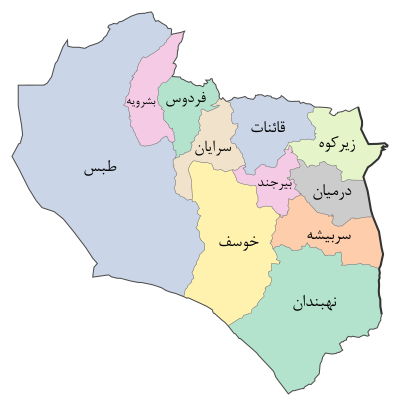
Administratively, the province is a relatively recent construct, established in 2004 following the division of the vast Khorasan Province. This administrative restructuring aimed to improve governance and development in the region, but it also highlights the distinct historical and cultural identity that had developed over centuries within this eastern territory, separate from its northern and western counterparts.
Cultural Dynamics and Societal Fabric
The cultural landscape of South Khorasan is a rich blend of Persian traditions and influences from neighboring regions, particularly Afghanistan and Pakistan. Persian is the official language, but a variety of local dialects and languages, such as Balochi and Kurdish dialects, are spoken, reflecting the historical migratory patterns and ethnic diversity. The province is renowned for its vibrant artistic traditions, most notably its world-class hand-woven carpets, characterized by intricate designs and high-quality materials.
Traditional music, oral literature, and local festivals play a crucial role in maintaining cultural continuity. Hospitality is a deeply ingrained social value, and community bonds are strong, often centered around extended families and local neighborhoods. Religious practices, predominantly Shia Islam, also significantly shape social life and cultural expressions.
Economic Pillars
South Khorasan's economy is predominantly agrarian, with a strong emphasis on niche, high-value crops that are well-suited to its arid environment. The province is a global leader in saffron production, a highly lucrative spice that requires specific climatic conditions and intensive labor. Other significant agricultural outputs include barberries, jujubes, and various types of dates, all adapted to water-scarce regions. Livestock husbandry, particularly sheep and goat farming, is another vital sector, providing meat, dairy, and wool.
Beyond agriculture, the production of artisanal goods, especially Persian carpets, forms a crucial part of the economy, generating income and preserving traditional skills. Effective water resource management remains a critical challenge and a key focus for sustainable development, with ongoing efforts to optimize irrigation and explore new water sources. The province's strategic location also presents potential for cross-border trade and transit.
Governance and Educational Landscape
South Khorasan Province is governed within Iran's centralized political system, with a provincial governor appointed by the central government. The governor oversees various provincial departments responsible for implementing national policies and managing local affairs, including economic development, infrastructure, and social services. The provincial administration works to balance the unique needs of the region with national objectives.
The educational system mirrors that of Iran, with a structure encompassing primary, secondary, and higher education. The province is home to several universities and educational institutions, with the University of Birjand being a prominent center for higher learning. Efforts are continuously made to improve access to quality education, particularly in rural and remote areas, and to align educational programs with the province's economic development goals, fostering skilled labor for its key industries like agriculture and handicrafts.
See also
Frequently Asked Questions
What is South Khorasan Province?+
Why does South Khorasan grow special crops like saffron?+
How do people get water in South Khorasan?+
What kinds of animals and plants live in South Khorasan?+
What is a famous craft from South Khorasan?+
Based on content from Wikipedia · Licensed under CC BY-SA 4.0