

Livestock: Our Farmyard Friends!
Images
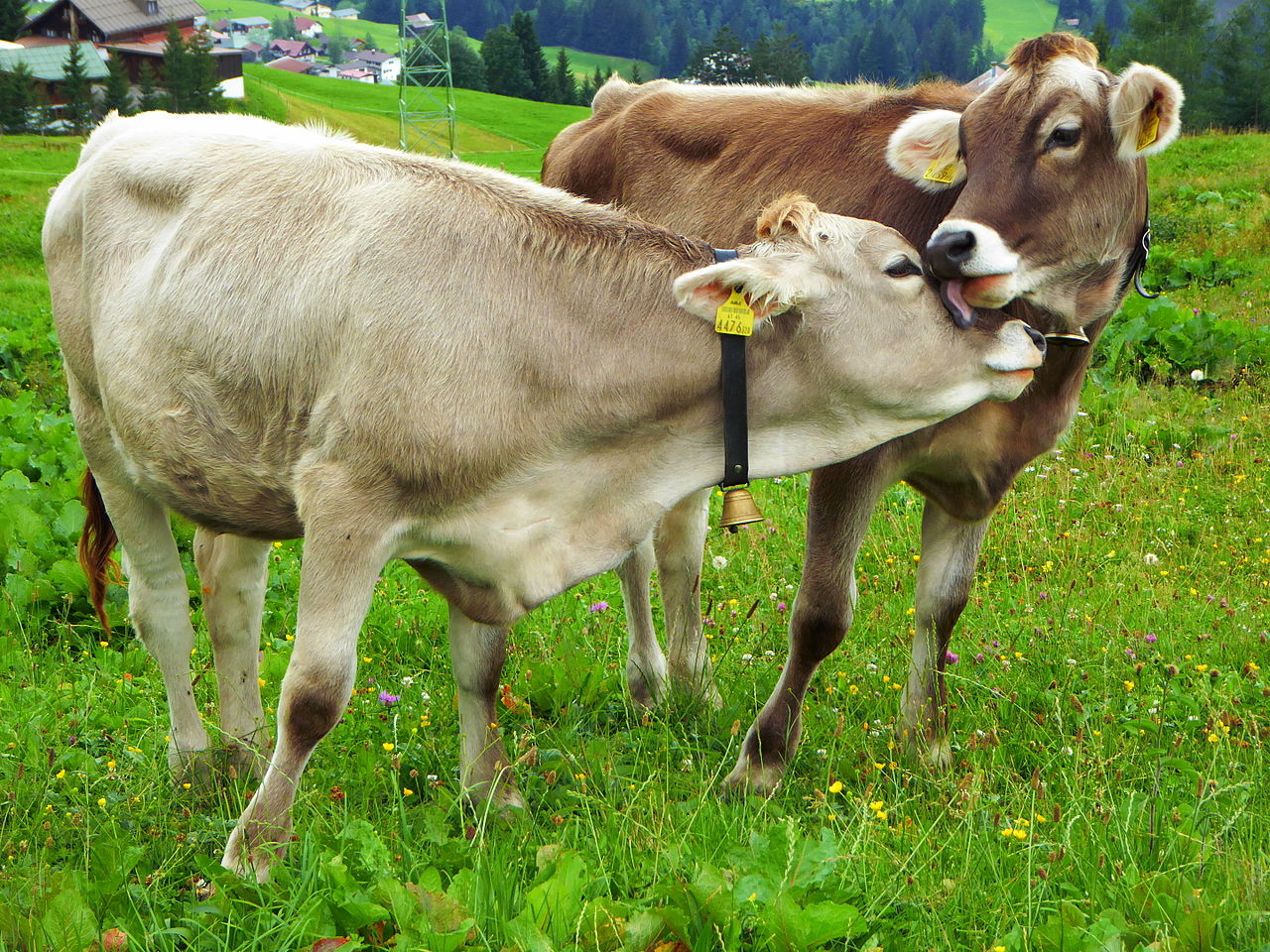
Livestock


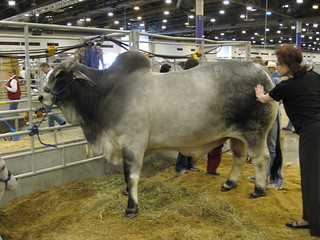


The Genesis of Agriculture
The domestication of animals, a process that began independently in multiple regions of the world roughly 10,000 to 12,000 years ago, was as transformative as the development of agriculture itself. Species like the aurochs (ancestor of cattle), wild sheep, goats, and pigs were gradually selected for traits such as docility, increased yield of milk or meat, and manageable size. This provided humans with a stable and predictable source of protein, fats, and other essential nutrients, reducing reliance on the uncertainties of hunting and gathering.
Furthermore, livestock offered valuable by-products like hides for clothing and shelter, bones for tools, and manure for fertilizing crops, creating a synergistic relationship that fueled population growth and the establishment of permanent settlements. The ability to harness animal power for traction, through animals like oxen and horses, revolutionized farming and transportation, enabling the expansion of arable land and the development of trade networks, laying the groundwork for complex societies and early civilizations.
Economic Engines and Societal Fabric
Livestock remain central to the global economy and the livelihoods of billions. They are not merely food producers but integral components of diverse agricultural economies. Dairy cattle, for example, form the backbone of numerous national economies, with milk and its derivatives representing a significant portion of agricultural output. Meat production, encompassing beef, pork, lamb, and poultry, is a multi-trillion-dollar industry worldwide.
Beyond direct consumption, livestock provide raw materials for industries such as textiles (wool, leather), pharmaceuticals (hormones, vaccines), and even biofuels. In many developing regions, livestock represent a crucial form of wealth and security, acting as a 'living bank' that can be drawn upon in times of need. The management and trade of livestock have historically shaped geopolitical landscapes and continue to be a significant factor in international commerce and food security initiatives.
Global Habitats and Biological Diversity
The geographical distribution of livestock species reflects both historical patterns of domestication and the adaptability of these animals to varied environments. Cattle (Bos taurus and Bos indicus) are found globally, with Bos indicus breeds particularly suited to hot climates. Sheep (Ovis aries) thrive in temperate and arid regions, often in pastoral systems.
Pigs (Sus scrofa domesticus) are highly adaptable omnivores, raised in diverse conditions from intensive confinement to free-range systems. Poultry, including chickens (Gallus gallus domesticus), are the most numerous livestock globally, found in virtually every climate. Their habitats are largely human-defined, with farms providing controlled environments for feeding, breeding, and growth.
This human management allows livestock to exist in ecological niches far beyond their ancestral ranges, though it also raises questions about sustainability and animal welfare in intensive systems.
The Science of Sustenance
The biological characteristics of livestock species are key to their utility. Cattle, for instance, are ruminants, possessing a complex four-chambered stomach that allows them to efficiently digest fibrous plant material like grass and hay through a process of fermentation. Their diet is primarily herbivorous.
Sheep and goats are also ruminants. Pigs, on the other hand, are monogastric omnivores, capable of digesting a wider range of foods, including grains, vegetables, and animal by-products. Chickens are also monogastric, with a gizzard aiding in the grinding of food.
Lifespans vary significantly: chickens typically live 5-10 years, pigs 10-20 years, sheep 10-12 years, and cattle can live 15-20 years or more, with some dairy cows producing for up to 5-6 years. Understanding these biological differences is crucial for optimizing nutrition, health management, and breeding programs in modern agriculture.
Contemporary Challenges and Future Directions in Livestock Management
Modern livestock production faces significant challenges, including environmental sustainability, animal welfare concerns, and the need to feed a growing global population. Intensive farming practices, while efficient, can contribute to greenhouse gas emissions (methane from ruminants, nitrous oxide from manure), water pollution, and land degradation. Research is increasingly focused on developing more sustainable feed sources, improving manure management, and exploring alternative protein sources.
Animal welfare is another critical area, with growing public and scientific attention on providing livestock with conditions that meet their behavioral and physiological needs. Genetic selection continues to enhance productivity, but ethical considerations are paramount. The future of livestock likely involves a combination of technological innovation, improved management practices, and a greater emphasis on ethical and environmental stewardship to ensure these vital animals can continue to contribute to human well-being responsibly.
Go deeper
Based on content from Wikipedia · Licensed under CC BY-SA 4.0