

Slovakia
Images
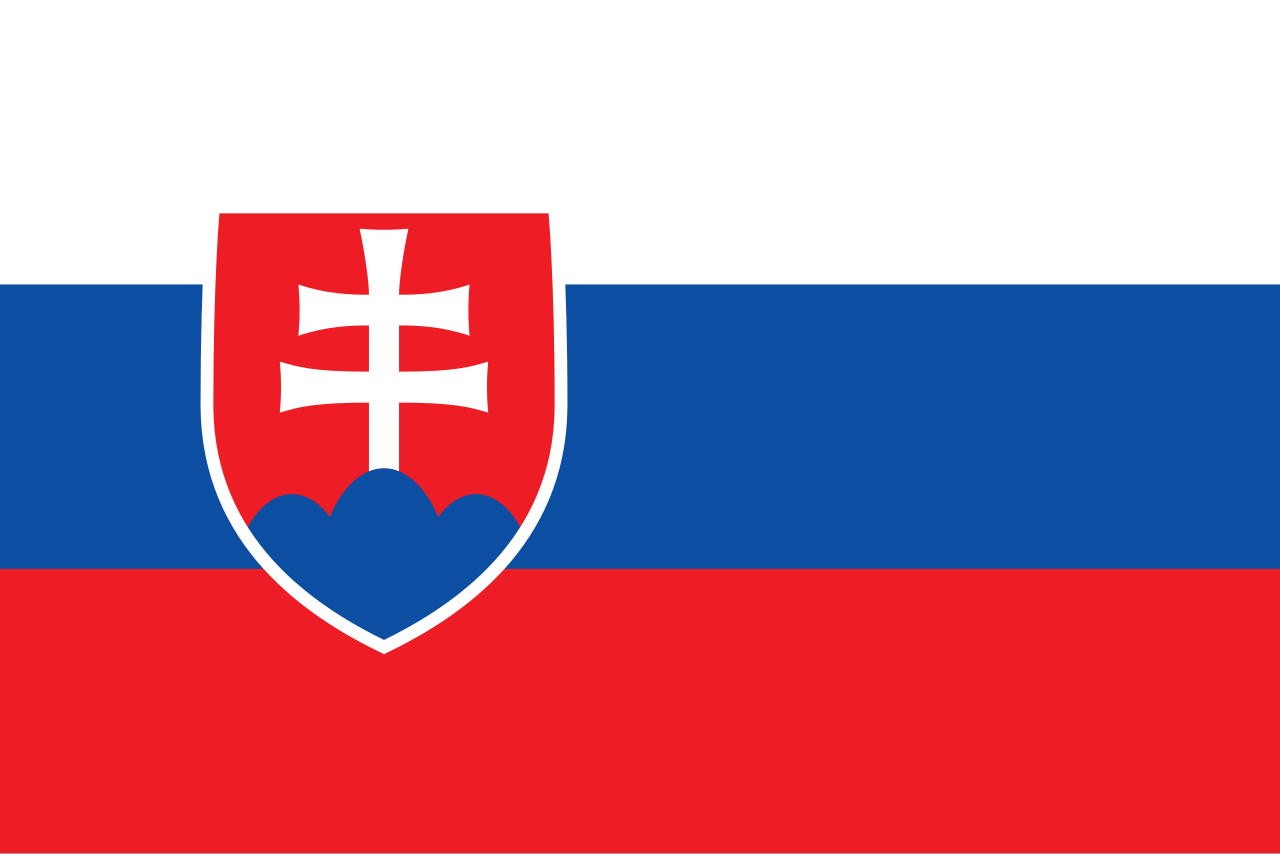
Slovakia
Opens Google Maps in new tab
Geopolitical Positioning and Diverse Landscapes
Slovakia occupies a strategic position in Central Europe, bordered by Poland, Ukraine, Hungary, Austria, and the Czech Republic. Its landlocked status has historically influenced its trade routes and geopolitical interactions. The nation's geography is dominated by mountainous terrain, particularly the Carpathian Mountains which extend into its northern and central regions.
These ranges, including the iconic High Tatras, offer dramatic landscapes, rich biodiversity, and significant opportunities for tourism and recreation. The country also features fertile lowlands in the south, crucial for agriculture. This varied topography has historically presented both challenges and advantages for defense, settlement, and economic development.
A Tapestry of Empires and National Identity
The history of Slovakia is a complex narrative of evolving political entities and the formation of a distinct national identity. Slavic peoples settled the region in the 5th and 6th centuries, eventually forming entities like the Principality of Nitra and later becoming a core part of Great Moravia. Following the collapse of Great Moravia, the territory was integrated into the Kingdom of Hungary for nearly a millennium.
This long period under Hungarian rule profoundly shaped its culture and institutions, but also fostered a desire for self-determination. The 20th century saw Slovakia become part of Czechoslovakia, a state born from the ashes of the Austro-Hungarian Empire. Post-World War II, Czechoslovakia fell under Soviet influence, experiencing communist rule and the suppression of reform movements like the Prague Spring.
The peaceful dissolution of Czechoslovakia in 1993, known as the Velvet Divorce, marked the birth of the modern Slovak Republic, a democratic nation.
Cultural Heritage and Modern Innovation
Slovakia boasts a rich cultural heritage, evident in its numerous well-preserved castles, medieval towns, and folk traditions. UNESCO World Heritage Sites highlight its historical significance and natural beauty. Beyond its historical allure, Slovakia has emerged as a global industrial powerhouse, particularly in automotive manufacturing.
It ranks as the world's largest producer of cars per capita, with automotive production accounting for a substantial portion of its industrial output. This rapid industrialization, often driven by foreign investment, has transformed its economy and created a dynamic blend of traditional culture and cutting-edge manufacturing. Slovak cuisine, influenced by its neighbors, features hearty dishes, and its people are known for their resilience and strong sense of community.
Economic Structure and European Integration
As a developed country with a high-income economy, Slovakia has successfully transitioned to a market-based system while maintaining a robust social security net. Its economy is heavily reliant on industry, with the automotive sector being a dominant force. Other key industries include electronics, machinery, and chemicals.
Slovakia's integration into the European Union (EU) in 2004 and its adoption of the Euro in 2009 have further solidified its position within the European economic landscape. Membership in NATO and the Schengen Area underscores its commitment to security and open borders. This integration facilitates trade, investment, and the free movement of people, contributing to its ongoing economic development and stability.
Governance and Societal Pillars
Slovakia operates as a parliamentary republic, with a president as the head of state and a prime minister as the head of government. The unicameral National Council of the Slovak Republic serves as the legislative body. The country is committed to democratic principles and human rights.
A significant aspect of Slovak society is its emphasis on education and social welfare. Education is free and accessible, with a focus on developing skilled professionals for its advanced economy. The nation also provides comprehensive healthcare and generous parental leave policies, reflecting a commitment to the well-being of its citizens.
Its membership in international organizations like the UN, OECD, and Visegrád Group highlights its active role in global affairs.
Go deeper
Frequently Asked Questions
What is Slovakia?+
Where is Slovakia located?+
Why is Slovakia famous for cars?+
What mountains can you find in Slovakia?+
What happened to Slovakia in 1993?+
Based on content from Wikipedia · Licensed under CC BY-SA 4.0