

Czech Republic
Images
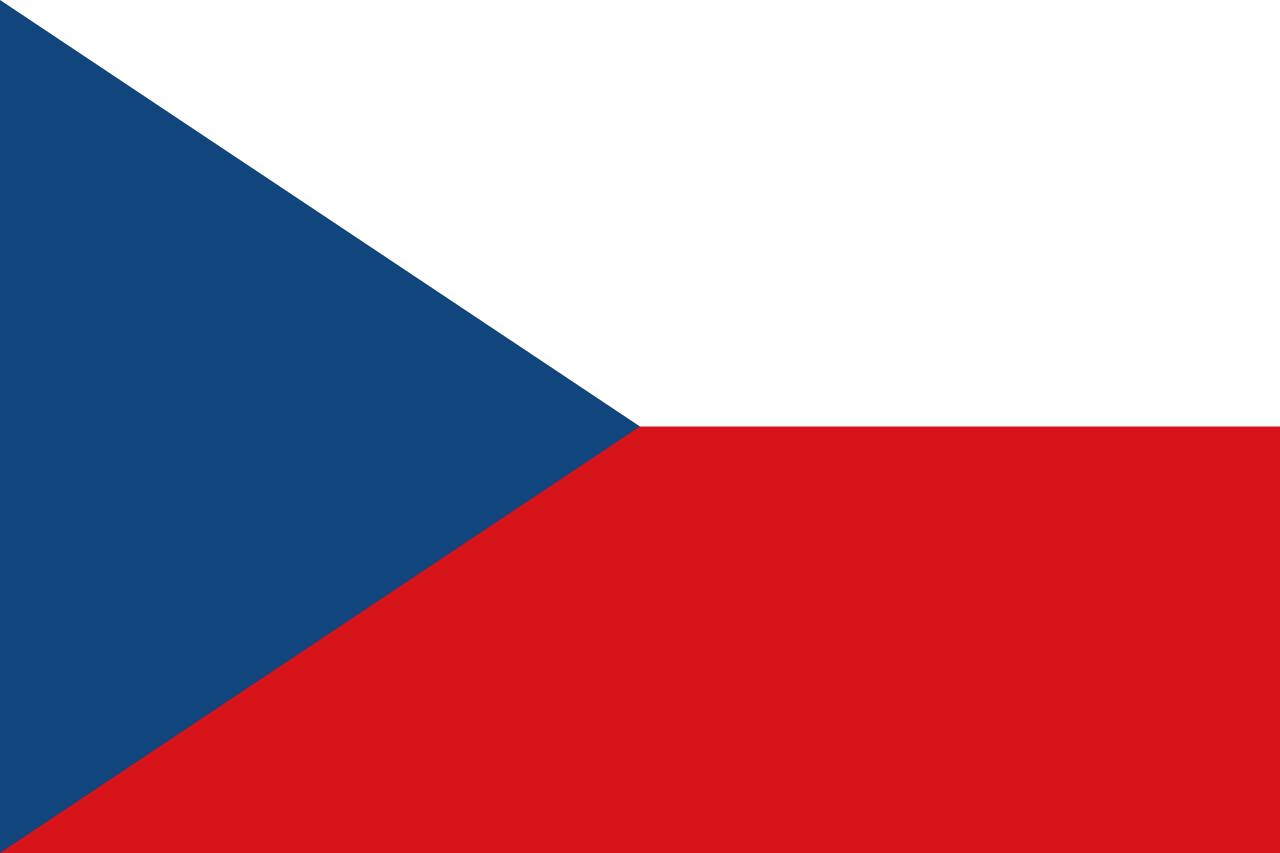
Czech Republic


Opens Google Maps in new tab
Geographical Foundations and Strategic Position
The Czech Republic occupies a strategic position in Central Europe, characterized by its landlocked geography. Spanning 78,871 square kilometers, its landscape is predominantly hilly, featuring the Bohemian Massif and the Carpathian Mountains. This terrain influences its temperate continental and oceanic climate, offering distinct seasons.
Bordered by Germany, Austria, Poland, and Slovakia, the country has historically been a crossroads for trade and cultural exchange. Its major river, the Vltava, flows through the capital, Prague, a city that has long served as a political and cultural hub. The nation's geography has played a significant role in its historical development, from ancient trade routes to modern European integration.
A Tapestry of Historical Transformations
The historical narrative of the Czech Republic is one of profound change and resilience. Emerging from the Great Moravian Empire, the Duchy of Bohemia was established in the late 9th century and later became a kingdom within the Holy Roman Empire. Its integration into the Habsburg monarchy from 1526 onwards marked centuries of rule under a powerful dynasty, punctuated by significant events like the Bohemian Revolt and the Thirty Years' War.
The dissolution of the Holy Roman Empire in 1806 saw the Bohemian Crown lands become part of the Austrian Empire. The 19th century brought industrialization, and following World War I, the First Czechoslovak Republic was formed in 1918, uniquely maintaining parliamentary democracy between the wars. Post-World War II, Czechoslovakia experienced Nazi occupation, followed by a communist coup in 1948 and Soviet-led invasion during the Prague Spring in 1968.
The peaceful Velvet Revolution in 1989 finally ended communist rule, leading to the amicable dissolution of Czechoslovakia on December 31, 1992, and the establishment of the independent Czech Republic and Slovakia.
Cultural Richness and Societal Values
Czech culture is a rich amalgamation of Slavic traditions, Germanic influences, and historical experiences. The nation is celebrated for its contributions to arts and literature, with figures like Franz Kafka and Milan Kundera leaving indelible marks on world literature. Music, particularly classical composers like Dvořák and Smetana, holds a special place.
Czech cuisine is hearty and satisfying, with staples like 'svíčková' and 'knedlíky', complemented by a world-renowned brewing tradition that produces some of the finest beers globally. Prague, the capital, is a UNESCO World Heritage site, renowned for its Gothic, Renaissance, and Baroque architecture, including Prague Castle and the Charles Bridge. The country also boasts an impressive density of castles and chateaux, reflecting its long and complex history.
Czechs are also known for their precision in craftsmanship, especially in glassmaking and crystal production.
Economic Strength and Social Welfare Model
The Czech Republic is a highly developed country with an advanced, high-income social market economy. It operates on a European social model, emphasizing universal healthcare and free-tuition university education, which contributes to its high ranking on the Human Development Index. Key industries include automotive manufacturing, machinery, and electronics, supported by a skilled workforce and strategic integration into global supply chains.
The country's economic success is underpinned by its commitment to democratic principles and its active participation in international economic and political forums. As a member of the European Union and NATO, the Czech Republic benefits from economic cooperation and security alliances, positioning it as a stable and prosperous nation within the European landscape.
Governance and International Engagement
The Czech Republic functions as a unitary parliamentary republic, a system where the government is accountable to an elected parliament. The President serves as the head of state, while the Prime Minister leads the government. This democratic framework ensures citizen participation through regular elections.
On the international stage, the Czech Republic is a committed member of numerous global organizations, including the United Nations, NATO, the European Union, the OECD, the OSCE, the Council of Europe, and the Visegrád Group. This extensive membership highlights its dedication to multilateralism, collective security, and European integration. Its active role in these bodies underscores its influence and commitment to fostering peace, stability, and cooperation within the global community.
Go deeper
Based on content from Wikipedia · Licensed under CC BY-SA 4.0