

Czechoslovakia
Images
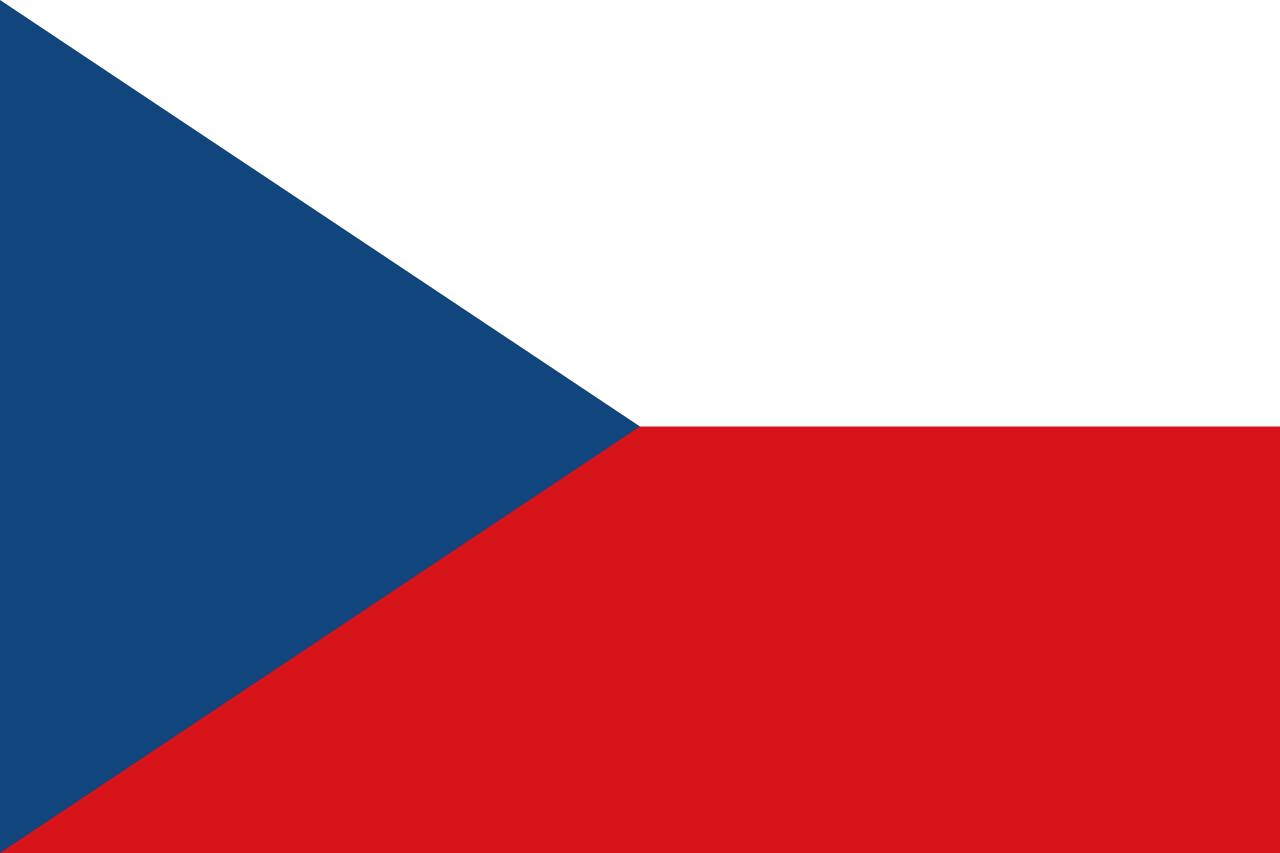
Czechoslovakia
Genesis and Interwar Flourishing
Czechoslovakia was established on October 28, 1918, as one of the successor states to the Austro-Hungarian Empire. Its creation was a direct result of the geopolitical realignments following World War I, driven by the principle of national self-determination. The new republic united the industrially advanced Czech lands with the more agrarian Slovakia, creating a diverse yet cohesive nation.
The interwar period (1918-1938) was a golden age for Czechoslovakia. It boasted one of the most stable democracies in Central Europe, with a robust economy fueled by its advanced industrial base, particularly in arms manufacturing (Skoda Works) and textiles. It was a leading exporter of machinery, glass, and footwear.
Culturally, it was a vibrant society, fostering significant contributions to literature, music, and the arts, with figures like Franz Kafka and Milan Kundera emerging from its intellectual milieu. The nation also championed progressive social policies and maintained a strong commitment to democratic ideals, setting it apart from many of its neighbors.
The Scars of War and the Shadow of Communism
Czechoslovakia's existence was profoundly impacted by the tumultuous events of the 20th century. The Munich Agreement of 1938, a capitulation by Western powers to Hitler's demands, led to the dismemberment of the country, with its border regions (Sudetenland) annexed by Nazi Germany. This was followed by the occupation of the rest of the Czech lands in 1939, forming the Protectorate of Bohemia and Moravia, while Slovakia became a nominally independent but German-aligned state.
The post-World War II era saw Czechoslovakia fall under Soviet influence. In 1948, a communist coup d'état established a one-party totalitarian regime, aligning the country with the Soviet-led Eastern Bloc. This period was characterized by political repression, economic centralization, and suppression of dissent, famously exemplified by the Prague Spring of 1968 and its subsequent crushing by Warsaw Pact forces.
Despite the oppressive regime, a spirit of resistance and a desire for national identity persisted.
The Velvet Revolution and the Path to Separation
The late 1980s witnessed the decline of Soviet power, culminating in the Velvet Revolution of 1989. This series of non-violent protests, sparked by a brutal police crackdown on a student demonstration, led to the swift collapse of the communist regime. Václav Havel, a prominent dissident playwright, became president, ushering in an era of democratic transition.
However, the newfound freedom also highlighted underlying national aspirations. Czech and Slovak leaders found themselves with diverging visions for the future economic and political structure of the country. While the revolution united them against communism, the post-communist era revealed distinct national priorities and identities.
Negotiations began regarding the future relationship between the Czech and Slovak regions.
The 'Velvet Divorce'
The dissolution of Czechoslovakia, often referred to as the 'Velvet Divorce,' was a remarkably peaceful and negotiated separation that took place on January 1, 1993. Unlike many other post-communist transitions that involved ethnic conflict or violence, the Czech and Slovak political leaders, primarily Václav Klaus for the Czechs and Vladimír Mečiar for the Slovaks, agreed to divide the federal state into two sovereign nations: the Czech Republic and Slovakia.
This decision was made through parliamentary votes rather than a popular referendum, a point of contention for some. The split was driven by a combination of historical differences, differing economic philosophies, and a desire for independent statehood. Both nations subsequently pursued their own paths, joining NATO and the European Union independently, while maintaining close bilateral relations and a shared cultural heritage.
Go deeper
Frequently Asked Questions
What was Czechoslovakia and when did it start?+
Why did Czechoslovakia split into two countries?+
How did Czechoslovakia become a democracy after World War I?+
What happened to Czechoslovakia during World War II?+
How did Czechoslovakia end peacefully in 1993?+
Based on content from Wikipedia · Licensed under CC BY-SA 4.0