

The Amazing Seven Seas!
Images

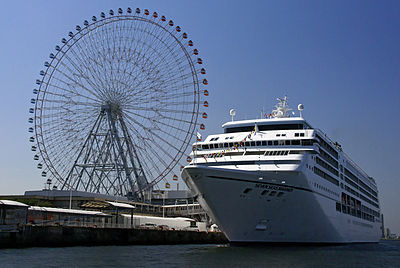
Cruiseschip Seven Seas Explorer voor het Centraal Station in Amsterdam



From Ancient Cosmologies to Modern Oceanography
The term 'Seven Seas' is a fluid concept, deeply rooted in historical cartography and cultural narratives rather than precise geographical definitions. Ancient civilizations, from the Mesopotamians to the Greeks and Romans, used the phrase to denote the major bodies of water known to them, often reflecting their known world and trade routes. For instance, the ancient Greeks might have referred to the Aegean, Adriatic, Mediterranean, Black, Red, Caspian, and Persian Seas.
Over time, as exploration expanded, the list evolved. During the Age of Discovery, it could encompass waters like the Atlantic, Pacific, Indian, Arctic, Antarctic, North Sea, and Mediterranean. Modern oceanography typically categorizes the world's saltwater into five major oceans: the Pacific, Atlantic, Indian, Arctic, and Southern.
Yet, the enduring appeal of the 'Seven Seas' persists, symbolizing the vast, interconnected hydrosphere and the human drive to explore and understand it. This historical evolution highlights how our perception of the planet's geography is shaped by knowledge, technology, and cultural perspectives.
Navigational Arteries
Throughout history, the Seven Seas have served as the primary conduits for human interaction, commerce, and the dissemination of ideas. Maritime trade routes facilitated the exchange of goods, technologies, and cultural practices, leading to the rise and fall of empires. The spice trade, the spread of religions, and the movement of peoples were all intrinsically linked to the accessibility and navigability of these waters.
The development of shipbuilding, navigation techniques (from celestial observation to modern GPS), and port infrastructure transformed the seas from formidable barriers into vital arteries of civilization. Geopolitical power has often been determined by naval strength and control over strategic sea lanes, such as the Strait of Malacca or the Suez Canal. The legacy of exploration, colonization, and conflict waged upon these waters continues to shape contemporary international relations and economic structures.
The Global Life Support System
The collective bodies of water we historically termed the Seven Seas function as Earth's primary life support system. They regulate global climate by absorbing enormous amounts of solar radiation and atmospheric carbon dioxide, acting as a massive heat sink and influencing weather patterns through ocean currents like the Gulf Stream. Phytoplankton, microscopic marine algae, are responsible for producing a significant portion of the planet's oxygen through photosynthesis, arguably more than all terrestrial forests combined.
These vast ecosystems harbor immense biodiversity, from the microbial level to megafauna, forming complex food webs. However, these critical functions are increasingly threatened by anthropogenic pressures, including climate change (leading to ocean acidification and warming), overfishing, pollution (plastics, chemical runoff), and habitat destruction (e.g., coral bleaching). The health of the Seven Seas is inextricably linked to the health of the planet and human well-being.
Contemporary Relevance
In the 21st century, the Seven Seas remain central to global affairs, albeit through the lens of international law, resource management, and environmental conservation. Exclusive Economic Zones (EEZs) extend national jurisdiction over vast marine areas, leading to complex negotiations regarding fishing rights, mineral extraction (including deep-sea mining), and energy development. The concept of 'freedom of the seas' continues to be a cornerstone of international maritime law, governing navigation and access.
Simultaneously, the urgent need for marine conservation is driving international cooperation on issues like establishing Marine Protected Areas (MPAs), combating illegal, unreported, and unregulated (IUU) fishing, and mitigating the impacts of climate change. The future stability and prosperity of human societies are increasingly dependent on our ability to sustainably manage and protect these vital, interconnected global commons.
Education and Exploration
Educating future generations about the Seven Seas is paramount for fostering responsible stewardship. This involves understanding not only the geography and history but also the intricate ecological processes and the challenges they face. Marine science education equips individuals with the knowledge to address issues like ocean acidification, plastic pollution, and sustainable fisheries management.
Furthermore, continued exploration, utilizing advanced technologies like remotely operated vehicles (ROVs) and autonomous underwater vehicles (AUVs), is crucial for uncovering the mysteries of the deep sea and understanding its role in the global ecosystem. Public awareness campaigns and citizen science initiatives play a vital role in building support for conservation efforts and promoting a deeper connection to the marine environment. Ultimately, fostering a generation that values and actively protects the world's oceans is key to ensuring their long-term health and vitality.
See also
Frequently Asked Questions
What does the term 'Seven Seas' mean?+
Why did ancient Greeks call certain waters the Seven Seas?+
How did the Seven Seas help people trade and explore?+
What important job do the seas do for the planet?+
What dangers are the seas facing today?+
Based on content from Wikipedia · Licensed under CC BY-SA 4.0