

Antarctic: The Icy World at the Bottom of the Earth!
Images
Antarctic Overview Map EN
![NASA, NOAA Data Show Significant Antarctic Ozone Hole Remains [still]](https://live.staticflickr.com/6168/6264414032_94728aa77e_n.jpg)




Geographical Extent and Unique Landscape
The Antarctic is a polar region defined by its proximity to the South Pole, encompassing the continent of Antarctica, the Kerguelen Plateau, and surrounding islands situated on the Antarctic Plate or south of the Antarctic Convergence. This convergence zone, a dynamic band of ocean where cold Antarctic waters meet warmer sub-Antarctic waters, is crucial for defining the region's biogeography and oceanographic characteristics.
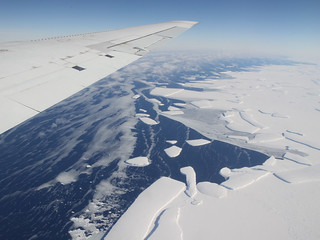
The continent itself is a colossal landmass, predominantly covered by an ice sheet estimated to contain about 70% of the world's freshwater. This ice sheet is not static; it flows continuously towards the coast, calving icebergs and feeding vast floating ice shelves. Beneath the ice, the continent's topography includes mountain ranges and even active volcanoes, remnants of its geological past.
The extreme cold, aridity, and high winds create a unique, albeit harsh, environment that shapes all life and geological processes within the region.
Historical Exploration and Scientific Endeavor
The history of the Antarctic is one of daring exploration and scientific discovery. Early voyages in the 18th and 19th centuries were driven by curiosity and the search for new lands. The Heroic Age of Antarctic Exploration, from the late 19th to the early 20th century, saw expeditions by figures like Roald Amundsen and Robert Falcon Scott, who raced to be the first to reach the South Pole.
These expeditions, though fraught with peril, laid the groundwork for understanding the continent's geography and climate. The International Geophysical Year in 1957-1958 marked a turning point, fostering unprecedented international scientific cooperation. This led directly to the establishment of the Antarctic Treaty System, which has since governed the continent, prioritizing scientific research and environmental protection over territorial claims.
A Continent Without Countries
Remarkably, the Antarctic is not owned by any single nation. All land and ice shelves south of 60°S latitude are managed under the Antarctic Treaty System. This groundbreaking international agreement, signed in 1959, dedicates the continent to peace and science.
It prohibits military activity, nuclear testing, and the disposal of nuclear waste, while also suspending territorial claims. The treaty ensures that scientific research is conducted freely and that environmental protection is a priority. This unique governance model allows for collaborative scientific endeavors and serves as a vital example of international cooperation in managing a shared global resource, though discussions about resource exploitation and environmental challenges continue to evolve.
Environmental Significance and Climate Change Impacts
The Antarctic plays an indispensable role in regulating global climate. Its vast ice sheets reflect solar radiation, influencing Earth's energy balance. The cold, dense waters that form around Antarctica are a critical component of the global ocean circulation, the 'thermohaline circulation,' which distributes heat and nutrients worldwide.
Consequently, changes in the Antarctic are highly sensitive indicators of global climate change. The melting of its ice sheets is a significant contributor to global sea-level rise, posing a threat to coastal communities. Furthermore, warming temperatures disrupt marine ecosystems, impacting krill populations that form the base of the food web, and affecting the migratory patterns of whales and seals.
Protecting the Antarctic is therefore paramount for maintaining planetary health.
Scientific Research and Education Hub
The Antarctic serves as an unparalleled natural laboratory for scientific research. International research stations dot the continent, hosting scientists who study a vast array of disciplines, including glaciology, meteorology, oceanography, biology, and astronomy. Ice cores drilled from the Antarctic ice sheet provide invaluable records of past atmospheric composition and climate, offering insights into Earth's history and future climate projections.
The clear, dry air also makes it an ideal location for astronomical observations. Educational outreach from these research efforts helps to inform the global public about the importance of the Antarctic and the challenges it faces, fostering a sense of shared responsibility for its preservation and inspiring future generations of scientists and environmental stewards.
Go deeper
Frequently Asked Questions
What is Antarctica and where is it located?+
Why is Antarctica important for the Earth's climate?+
How do scientists study Antarctica if no one lives there permanently?+
Who owns Antarctica and how is it governed?+
What happens if the ice in Antarctica melts?+
Based on content from Wikipedia · Licensed under CC BY-SA 4.0