

Salamander: The Amazing Amphibians!
Images
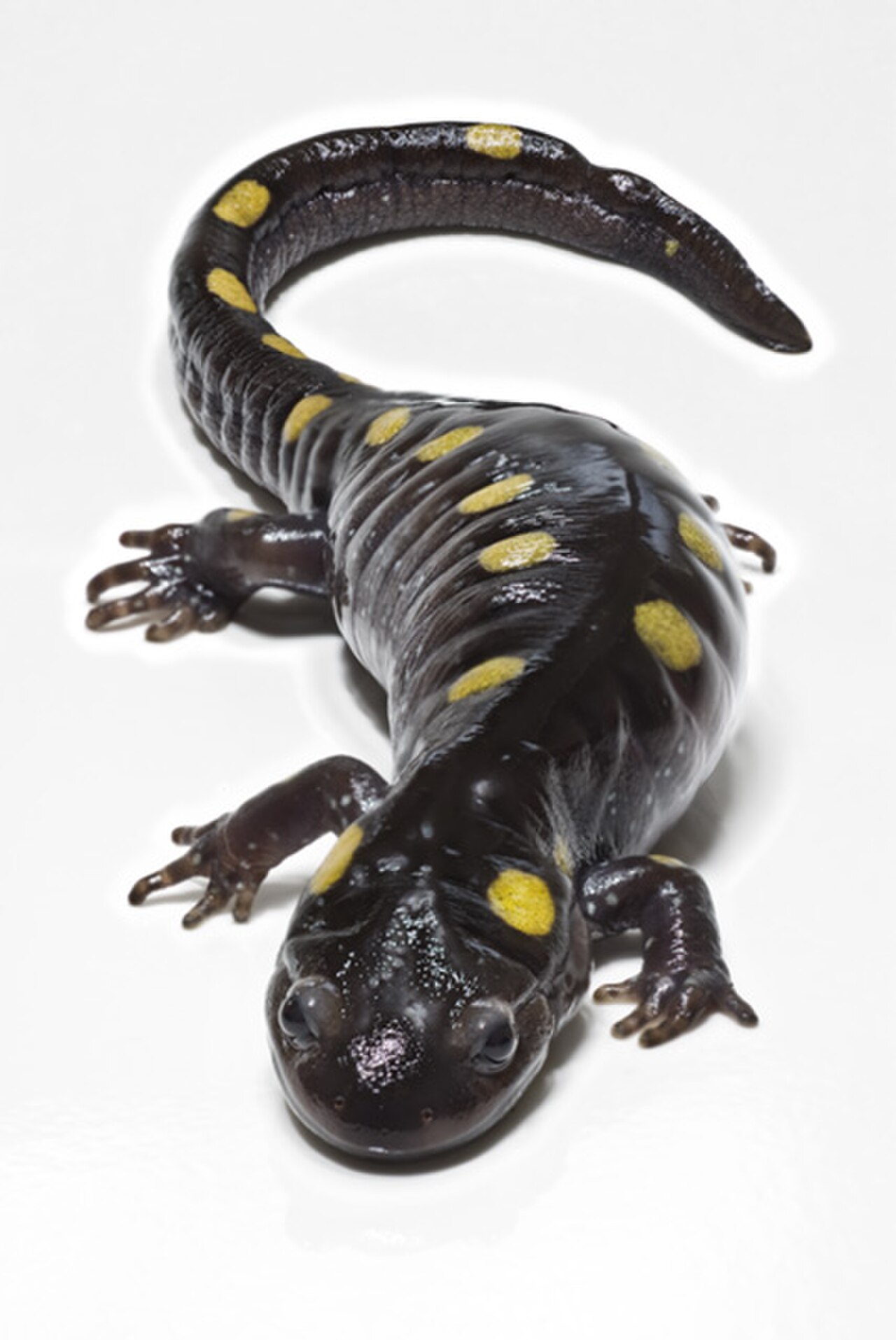
Salamander


The Evolutionary Niche of Urodela
Salamanders, classified under the order Urodela (or Caudata), represent a unique lineage within the Amphibia class, distinguished by their typically elongated bodies, short limbs, and prominent tails. Unlike anurans (frogs and toads) or apodans (caecilians), salamanders have retained a more ancestral tetrapod body plan. Their evolutionary history is deeply intertwined with moist environments, as their permeable skin necessitates a high degree of cutaneous respiration and makes them susceptible to desiccation.
This reliance on humidity and clean water sources has shaped their distribution, with major centers of diversity found in temperate regions of the Northern Hemisphere, particularly in North America. The fossil record indicates their presence stretching back to the Jurassic period, showcasing their long evolutionary journey. Their varied life cycles, including neoteny (retention of larval features into adulthood), exemplify the diverse adaptive strategies employed by these ancient amphibians.
Habitat Specificity and Ecological Significance
The ecological roles of salamanders are as varied as their forms, but all are fundamentally linked to their habitat requirements. They are integral components of forest floor and aquatic ecosystems, acting as both predators and prey. As predators, they exert significant control over invertebrate populations, influencing soil health and nutrient cycling.
Their consumption of insects, worms, and slugs can have cascading effects on plant communities. Conversely, salamanders serve as a crucial food source for a range of animals, including birds, mammals, reptiles, and larger amphibians. Their sensitivity to environmental changes, such as temperature fluctuations, pH levels, and the presence of pollutants, makes them valuable bioindicators.
Declines in salamander populations often signal broader environmental degradation, underscoring their importance in monitoring ecosystem health. Their specific habitat needs, from pristine streams to humid forest understories, highlight the interconnectedness of biodiversity and environmental quality.
Dietary Adaptations and Predatory Strategies
Salamanders exhibit a range of dietary habits, though the vast majority are carnivorous. Their prey typically includes a diverse array of invertebrates such as insects, arachnids, myriapods, annelids, and mollusks. Predatory strategies vary; many species are sit-and-wait predators, relying on camouflage and ambush tactics, often utilizing a rapid tongue projection to capture prey.
The speed and accuracy of this projectile tongue, which can be several times the length of the salamander's body, are remarkable feats of biomechanics. Larger species, like the Chinese Giant Salamander, are apex predators within their aquatic environments, consuming fish, crustaceans, and even other amphibians. The energetic demands of their lifestyle, coupled with their ectothermic nature, mean that prey availability is a critical factor influencing their growth, reproduction, and overall survival rates.
Their role in the food web is thus significant, linking lower trophic levels to higher ones.
The Pinnacle of Regeneration
Salamanders are unparalleled in their capacity for regeneration, a biological phenomenon that has captivated scientists for centuries. Unlike most vertebrates, which exhibit limited regenerative abilities (e.g., wound healing), many salamander species can perfectly regenerate complex structures, including limbs, tails, jaws, eyes, and even portions of the brain and spinal cord, without scarring. This process involves dedifferentiation of existing cells, proliferation to form a blastema (a mass of undifferentiated cells), and redifferentiation into the appropriate cell types to rebuild the lost structure.
The genetic and molecular mechanisms underlying this extraordinary ability are a major focus of research, with potential applications in human medicine, such as treating injuries and degenerative diseases. Furthermore, many salamanders possess potent skin toxins as a defense mechanism, ranging from mild irritants to lethal neurotoxins, often advertised by aposematic coloration. This combination of regenerative prowess and chemical defense makes them exceptionally resilient survivors.
See also
Frequently Asked Questions
What makes salamanders different from frogs and toads?+
Why do salamanders need moist environments?+
How do salamanders help the environment?+
Can salamanders grow new tails?+
What is neoteny in salamanders?+
Based on content from Wikipedia · Licensed under CC BY-SA 4.0