

Saint Lucia
Images
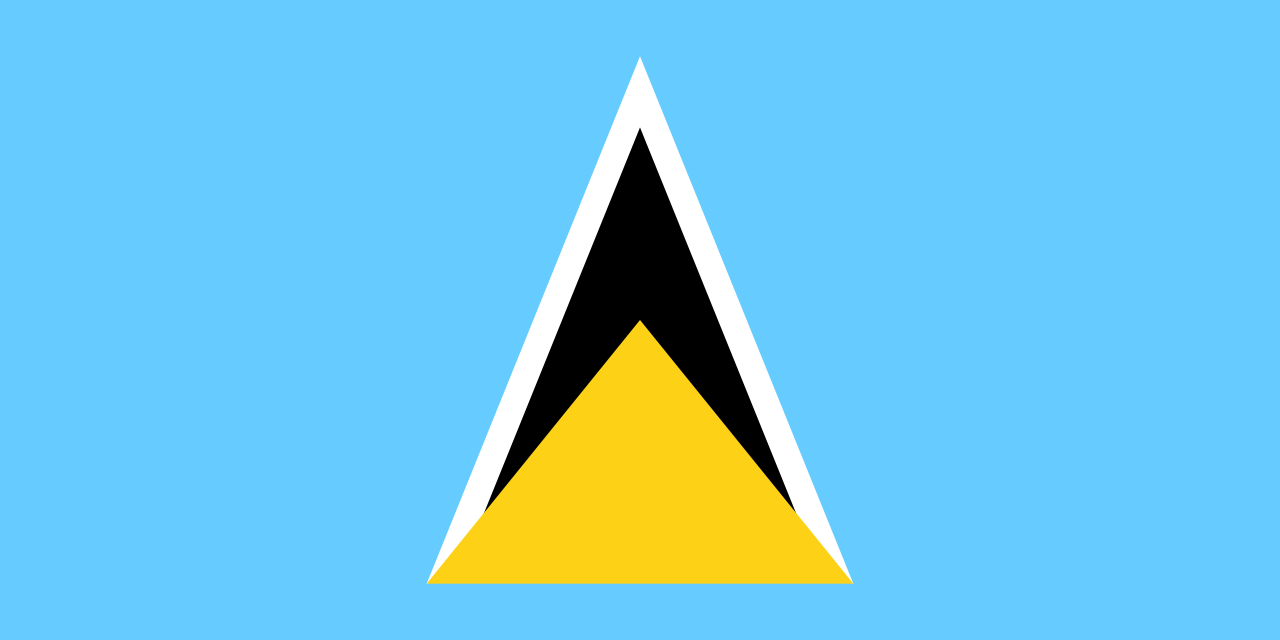
Saint Lucia
Opens Google Maps in new tab
From Indigenous Roots to Colonial Contention
Saint Lucia, an island nation in the eastern Caribbean, boasts a history stretching back millennia. Archaeological evidence suggests the Arawak people were the first inhabitants, settling between 200 and 400 AD. By 800 AD, the Kalinago (Carib) people had established their presence.
The arrival of Europeans marked a dramatic shift. The French were the first to colonize, signing a treaty with the native Caribs in 1660. However, this fragile peace was short-lived as the English asserted control in 1663.
The island's strategic location in the Windward Islands chain made it a highly coveted territory. This geopolitical significance led to an intense rivalry between France and Great Britain, resulting in 14 documented wars fought over its sovereignty. The control of Saint Lucia frequently changed hands, a testament to its value as a naval and trade outpost in the Caribbean.
The 'Helen of the West'
The persistent struggle for dominance between France and Britain cemented Saint Lucia's reputation as the 'Helen of the West.' This moniker, inspired by the mythological Helen of Troy, aptly described an island that was constantly being fought over and claimed by different powers. The constant flux of colonial rule profoundly impacted the island's development, influencing its language, legal systems, and cultural practices. The ultimate British victory in 1814, following the Napoleonic Wars, brought a period of sustained British administration.
This era laid the groundwork for future political developments, though the island's French heritage remained deeply ingrained in its culture and identity, creating a unique Creole society.
The Road to Self-Governance and Independence
The 20th century ushered in significant political evolution for Saint Lucia. Representative government was introduced in 1924, granting the populace a greater voice in their governance. This was a crucial step towards self-determination.
The establishment of universal suffrage in 1951 was another landmark achievement, ensuring all adult citizens could participate in the democratic process. From 1958 to 1962, Saint Lucia was a constituent part of the West Indies Federation, an ambitious but ultimately short-lived attempt at regional integration. The culmination of these political advancements arrived on February 22, 1979, when Saint Lucia officially gained independence.
While becoming a sovereign state, it chose to maintain ties with the United Kingdom as a Commonwealth realm, signifying a continued, albeit redefined, relationship.
Saint Lucia's Role in the Modern World
As an independent nation, Saint Lucia actively participates in the international arena. It is a member of key global and regional organizations, including the United Nations, the Organization of American States, and the World Trade Organization, underscoring its commitment to international cooperation and global trade. Regionally, it is a vital member of CARICOM (Caribbean Community) and the Organisation of Eastern Caribbean States (OECS), working collaboratively with its neighbors on issues of mutual interest, economic development, and security.
Furthermore, its membership in the Organisation internationale de la Francophonie highlights its enduring connection to French language and culture. Saint Lucia, with its stunning natural beauty and rich historical narrative, stands as a vibrant example of a small island developing nation navigating the complexities of the modern global landscape.
Go deeper
Frequently Asked Questions
What is Saint Lucia and where is it located?+
Who were the first people to live on Saint Lucia?+
Why did France and England fight over Saint Lucia?+
When did Saint Lucia become an independent country?+
What languages and cultures are found in Saint Lucia today?+
Based on content from Wikipedia · Licensed under CC BY-SA 4.0