

Universal Suffrage: Everyone Gets a Say!
Images

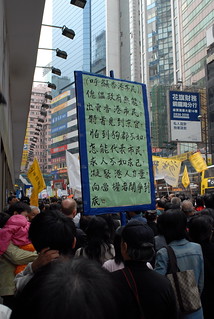
Walk for dual universal suffrage in Hong Kong in 2012, no compromise with any alternative on the request




The Ideal and the Reality of Universal Suffrage
Universal suffrage, at its heart, is the principle that all adult citizens should possess the right to vote, embodying the democratic ideal of political equality. The phrase 'one person, one vote' underscores this commitment, aiming to ensure that each individual's voice carries equal weight in the electoral process. However, the term 'universal' is often aspirational, as most systems include certain exclusions.
These typically involve age (e.g., under 18), citizenship status, and sometimes, in specific legal contexts, individuals convicted of serious crimes. The debate continues regarding the scope of 'universal,' with some advocating for 'presumptive inclusion' – where the right to vote is assumed for all subjects unless a compelling, clearly defined reason for disenfranchisement exists. This perspective challenges existing limitations and pushes for a more expansive definition of who should participate in governance.
A Historical Trajectory
The journey toward universal suffrage has been a protracted and often contentious struggle against deeply entrenched power structures. Historically, voting rights were a privilege reserved for a narrow elite, typically wealthy, property-owning males. This exclusionary model persisted for centuries, reflecting societal hierarchies based on class, gender, and race.
The modern concept of universal suffrage emerged through persistent activism, social movements, and philosophical shifts that challenged these inequalities. Key milestones included the abolition of property qualifications, the extension of suffrage to working-class men, the hard-won victories for women's suffrage, and the civil rights movements that dismantled racial barriers to voting. Each expansion represented a significant democratization of political power, moving societies closer to the ideal of inclusive governance.
The Indispensable Role of Universal Suffrage in Modern Governance
Universal suffrage is not merely a procedural mechanism; it is a cornerstone of legitimate and effective democratic governance. Its importance lies in its capacity to confer legitimacy upon elected governments, as they derive their authority from the consent of the governed. When suffrage is broad, leaders are incentivized to address the diverse needs and concerns of the entire populace, fostering policies that promote social welfare and equity.
Furthermore, universal suffrage provides a vital outlet for peaceful political expression and change. It allows citizens to hold their representatives accountable and to influence policy direction through the ballot box, thereby mitigating the potential for social unrest and promoting stability. This active participation cultivates civic engagement and strengthens the social contract between the state and its citizens.
Mechanisms and Considerations in Suffrage Implementation
Implementing universal suffrage involves establishing clear, accessible, and fair electoral processes. The most common requirements for eligibility are citizenship and reaching the age of majority, typically 18 years old. This age threshold is based on the assumption of adult maturity and the capacity for informed political decision-making.
Registration processes are also crucial, ensuring that eligible voters are listed and can cast their ballots. Debates surrounding 'active suffrage' (the right to vote) and 'passive suffrage' (the right to be elected) highlight the full spectrum of political participation. While universal suffrage focuses on the right to vote, discussions about passive suffrage address who can stand for office, often involving higher age limits or different qualifications, which can also be points of contention in achieving full political inclusion.
Contemporary Debates and the Future of Universal Suffrage
Despite significant progress, the concept of universal suffrage remains a subject of ongoing debate and evolution. Contemporary discussions often grapple with issues such as the enfranchisement of non-citizens residing permanently in a country, the voting rights of individuals with criminal convictions, and the potential for lowering the voting age to 16. Proponents of expanding suffrage argue that these groups are directly affected by government policies and should have a voice.
Conversely, arguments against expansion often cite concerns about civic responsibility, maturity, or national identity. The ongoing dialogue reflects a continuous effort to refine democratic principles and ensure that suffrage truly reflects the evolving composition and aspirations of society, pushing the boundaries of what 'universal' truly means in practice.
Go deeper
Frequently Asked Questions
What is universal suffrage?+
Who can vote under universal suffrage?+
Why is voting important for everyone?+
How did people get the right to vote in the past?+
Are there still rules that stop some people from voting?+
Based on content from Wikipedia · Licensed under CC BY-SA 4.0