

Saint Barthélemy
Images

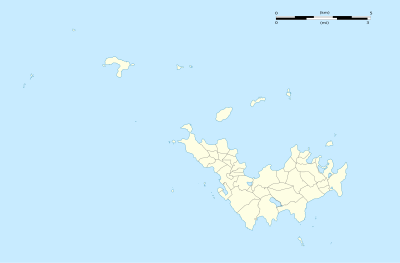
Saint-Barthélemy collectivity location map




Opens Google Maps in new tab
Geographical and Administrative Identity
Saint Barthélemy, often abbreviated as St. Barts, is a small, volcanic island situated in the northeastern Caribbean, approximately 30 kilometers southeast of Saint Martin. It is part of the Leeward Islands archipelago, a chain of islands in the Lesser Antilles.
Geographically, it lies northeast of Saba and Sint Eustatius and north of Saint Kitts and Nevis. The island's physical landscape is characterized by its hilly terrain and a coastline fringed with shallow coral reefs, which contribute to its calm, azure waters. With an area of just 25 square kilometers, it is one of the smallest French overseas collectivities.
Its capital and principal port is Gustavia, a picturesque town that serves as the administrative and economic heart of the island. The island's status as an overseas collectivity (Collectivité d'outre-mer, COM) grants it a degree of autonomy while remaining under French sovereignty, a status it achieved after a referendum in 2003 when it voted to secede from Guadeloupe.
A Colonial Past
The historical narrative of Saint Barthélemy is particularly distinctive due to its period as a Swedish colony. For nearly a century, from 1784 to 1878, the island was under Swedish rule. This era left an indelible mark on its identity, most notably symbolized by the Three Crowns, a prominent element in Sweden's national coat of arms, which is still featured on the island's own coat of arms.
The Swedish administration established Gustavia as a free port, which significantly boosted its trade and development during that time. However, after an 1877 referendum, the island returned to French rule, marking the end of its Swedish chapter. Despite this historical shift, the island's cultural fabric, including its language, cuisine, and general way of life, remained predominantly French, creating a fascinating juxtaposition of influences.
Economic Engine
Saint Barthélemy has cultivated a global reputation as an exclusive, high-end tourist destination, particularly popular during the Northern Hemisphere's winter holiday season. The island attracts a discerning clientele seeking luxury accommodations, pristine beaches, gourmet dining, and a sophisticated atmosphere. This focus on the luxury market has shaped its economy, with tourism being its primary driver.
The island offers a range of upscale villas, boutique hotels, and designer boutiques, catering to visitors who value privacy, exclusivity, and impeccable service. The economic model of St. Barts is heavily reliant on the spending power of these international tourists, making it a vital component of its modern identity and prosperity.
Cultural Fusion and French Administration
As an overseas collectivity of France, Saint Barthélemy operates within the French administrative framework, though with specific local governance. The official language is French, and the island's culture is deeply rooted in French traditions, evident in its architecture, administrative systems, and lifestyle. However, the Caribbean setting and its historical interactions have also infused the local culture with unique flavors.
The cuisine, for instance, is a delightful blend of classic French gastronomy and Caribbean ingredients and influences. The island's population, while relatively small at just under 10,000 residents, contributes to a vibrant community that balances its French heritage with its island environment and international appeal. This unique cultural synthesis is a key aspect of what makes St.
Barts so captivating.
Modern Relevance and Future Outlook
In contemporary times, Saint Barthélemy continues to thrive as a symbol of exclusive Caribbean tourism. Its status as a French territory provides a stable political and economic environment, while its natural beauty and luxurious offerings ensure its continued appeal to a global elite. The island faces the ongoing challenges of maintaining its delicate ecosystem, managing the impacts of tourism, and preserving its unique cultural identity amidst increasing international attention.
Its success story lies in its ability to blend its historical legacy, French administrative ties, and natural Caribbean allure into a highly desirable and sought-after destination, demonstrating a unique model of island development and global tourism.
See also
Frequently Asked Questions
What is Saint Barthélemy?+
Where is Saint Barthélemy located?+
Why does the island have a Swedish symbol?+
How did Saint Barthélemy become part of France again?+
What is the island famous for today?+
Based on content from Wikipedia · Licensed under CC BY-SA 4.0