

Reindeer: The Amazing Arctic Travelers!
Images
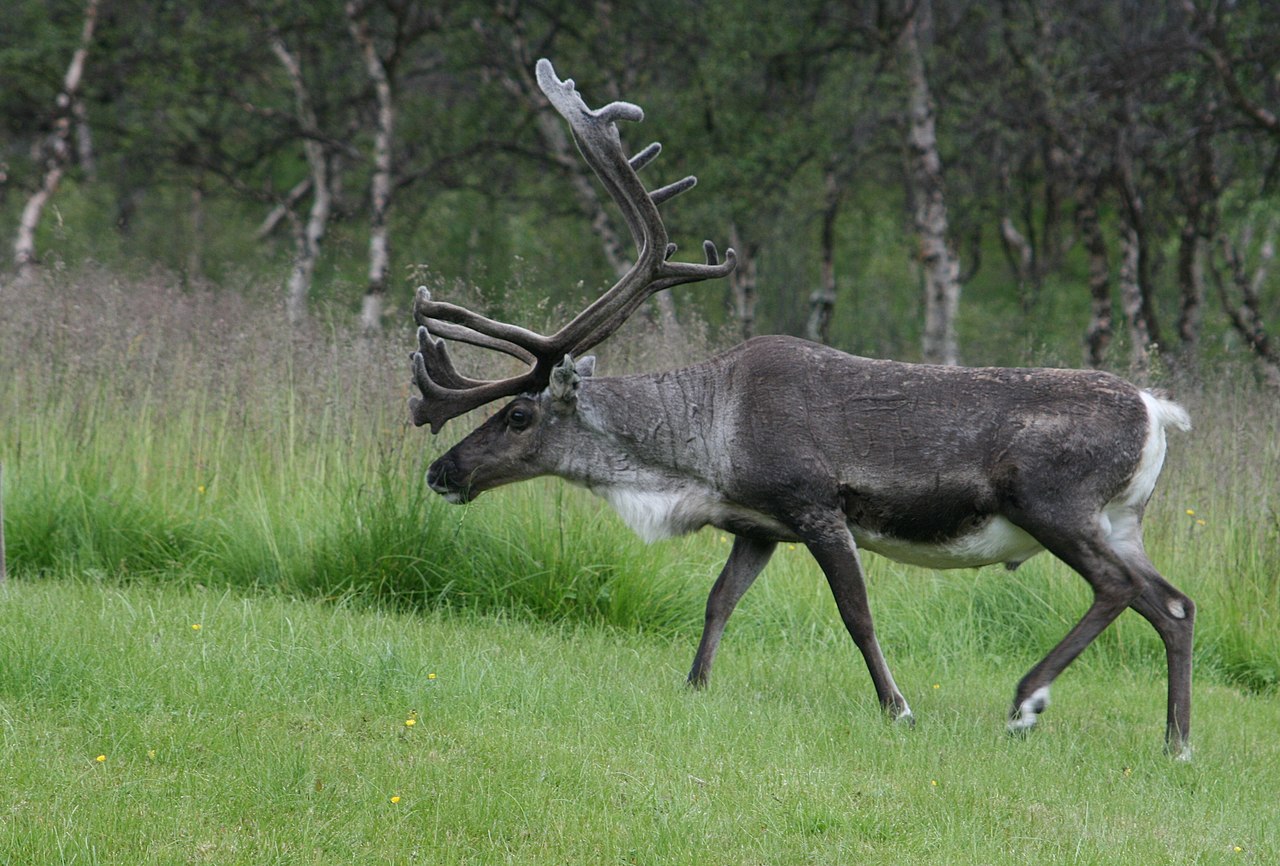
Reindeer


Physiological Marvels
The reindeer (Rangifer tarandus) exhibits an extraordinary suite of physiological and anatomical adaptations that enable its survival in the harsh Arctic and sub-Arctic environments. Its dense, double-layered pelage is a primary insulator; the outer guard hairs are hollow and air-filled, providing exceptional thermal resistance and even buoyancy for swimming across frigid waters. Specialized nasal passages warm inhaled frigid air before it reaches the lungs, minimizing heat loss.
Reindeer possess unique circulatory adaptations, including countercurrent heat exchange in their legs and hooves, which conserves body heat while maintaining circulation. Their large, concave hooves, equipped with a specialized dewclaw and a thick, leathery pad (corium), distribute weight effectively, preventing sinking in snow and soft ground, and provide traction on ice. These hooves also serve as crucial foraging tools, enabling the excavation of snow to access buried vegetation, particularly lichens, which form a significant portion of their winter diet.
Their digestive system is highly efficient at processing fibrous plant matter, including the complex carbohydrates found in lichens, thanks to specialized gut microflora.
The Antler Enigma
A defining characteristic of Rangifer tarandus is the presence of antlers in both sexes, a rarity among cervids. This sexual dimorphism in antler morphology and shedding patterns has significant ecological implications. Males typically develop larger, more complex antlers, which are shed after the autumn rutting season.
Females, conversely, retain their antlers throughout the year, shedding them in the spring after calving. This year-round antler presence in females provides a distinct advantage in foraging, particularly during the lean winter months. It allows them to defend feeding sites from males and other herbivores, ensuring access to vital food resources like lichens.
The antlers themselves are dynamic structures, growing rapidly under the influence of hormones and nutrients supplied by the velvet, and are composed of living bone tissue. Their size and complexity are indicators of an individual's age, health, and social status within the herd.
Migratory Imperatives
Reindeer are renowned for their extensive seasonal migrations, undertaking some of the longest terrestrial journeys on Earth. These migrations, often spanning hundreds or even thousands of kilometers, are driven by the need to exploit ephemeral food resources and escape extreme environmental conditions. Herds move between summer feeding grounds on the open tundra, rich in grasses and sedges, and wintering areas in the boreal forests or sheltered valleys, where lichens are more accessible.
These movements are critical for population dynamics, reproductive success, and the overall health of the Arctic ecosystem. The timing and routes of these migrations are influenced by factors such as snow depth, ice conditions, predation pressure, and the availability of forage. Indigenous communities have historically relied on these migratory patterns, developing intricate knowledge systems and cultural practices intertwined with the reindeer's annual cycle, underscoring the deep ecological and cultural significance of these movements.
Ecological Keystone and Cultural Icon
Rangifer tarandus plays a pivotal role as an ecological keystone species in Arctic and sub-Arctic biomes. Their grazing and browsing activities influence vegetation structure and composition, while their migrations facilitate nutrient cycling across vast landscapes. They are a primary prey species for predators like wolves and bears, forming a crucial link in the food web.
Beyond their ecological function, reindeer hold immense cultural and economic importance for numerous indigenous peoples, providing sustenance, materials, and transportation for millennia. Domestication has led to managed herds that are vital for local economies. However, reindeer populations face increasing pressures from climate change, which alters habitat suitability, snow conditions, and food availability, as well as from industrial development and resource extraction.
Understanding their adaptations and ecological role is paramount for effective conservation strategies in the face of these anthropogenic challenges and for preserving their status as both a wild marvel and a cultural icon.
Go deeper
Frequently Asked Questions
What special features help reindeer stay warm in the Arctic?+
How do reindeer move so fast on snow?+
Why do female reindeer keep their antlers all year?+
What do reindeer eat in the winter?+
How far do reindeer travel each year?+
Based on content from Wikipedia · Licensed under CC BY-SA 4.0