

Herbivore Heroes: The Plant Eaters!
Images
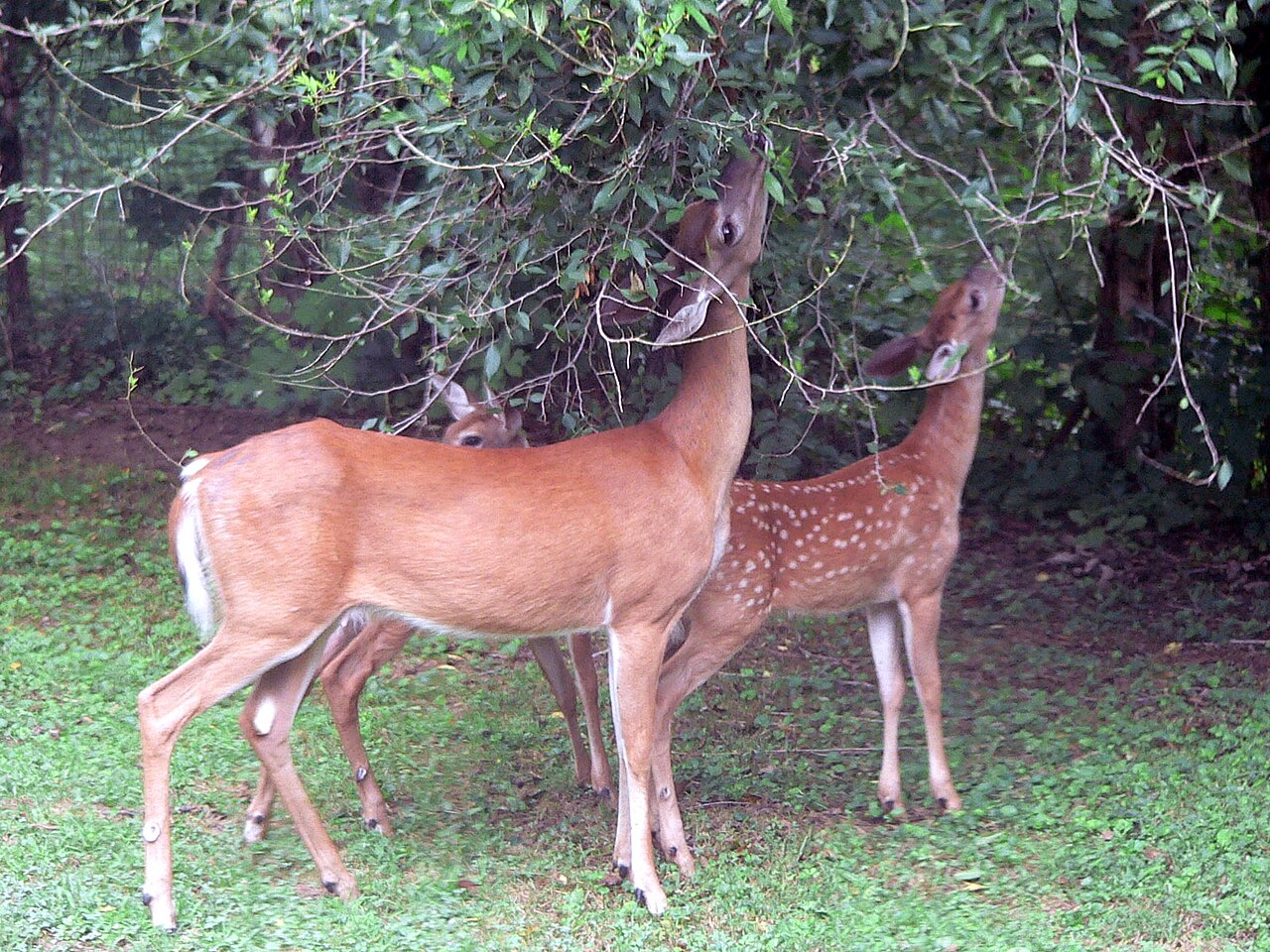
Herbivore


The Spectrum of Plant Consumption
Herbivory, the act of consuming plants, encompasses an astonishing array of dietary specializations and feeding strategies. While the broad category 'herbivore' is well-understood, specific classifications reveal intricate adaptations. Folivores, like gorillas and koalas, primarily consume leaves, requiring efficient methods to detoxify plant compounds and extract nutrients from fibrous material.
Frugivores, such as many primates and birds, rely on fruits, playing a crucial role in seed dispersal. Granivores eat seeds, while nectivores feed on nectar, often acting as pollinators. Lignivores consume wood, a particularly challenging diet due to its low nutritional value and high lignin content, exemplified by termites.
The digestive physiology of herbivores is a testament to evolutionary innovation, featuring symbiotic relationships with microorganisms in specialized gut chambers (rumen, cecum) to break down complex carbohydrates like cellulose. The energetic cost of plant digestion is significant, often leading herbivores to consume large quantities of food and dedicate substantial time to feeding, impacting their behavior and social structures.
Global Footprints
Herbivores inhabit virtually every terrestrial biome, from the frigid Arctic tundra, where reindeer and lemmings subsist on mosses and lichens, to the scorching deserts, populated by specialized rodents and reptiles adapted to arid vegetation. Grasslands are iconic herbivore domains, supporting vast herds of ungulates like bison and wildebeest whose grazing patterns maintain the grassland ecosystem. Forests, both temperate and tropical, host a different suite of herbivores, including deer, elephants, and numerous insect species, each interacting with specific plant communities.
The distribution and abundance of herbivores are intrinsically linked to the availability and type of vegetation. Conversely, herbivores exert profound influences on their habitats. Large herbivores can dramatically alter landscapes through selective grazing, trampling, and nutrient deposition, influencing plant species composition, successional dynamics, and even soil properties.
Their presence is often a keystone factor in maintaining biodiversity and ecosystem function.
Arms Race and Adaptations
The relationship between herbivores and plants is a classic example of co-evolution, often described as an 'evolutionary arms race.' Plants develop defenses such as physical barriers (thorns, spines), chemical toxins (alkaloids, tannins), and digestibility reducers. In response, herbivores evolve counter-adaptations: specialized digestive enzymes, detoxification mechanisms, behavioral avoidance, and physical defenses. Speed and agility are critical for many prey herbivores, enabling escape from predators.
Others employ crypsis (camouflage) or mimicry to avoid detection. Social behavior, like herd living, offers collective vigilance and defense. Some herbivores possess formidable physical defenses, such as the armor of armadillos, the horns of rhinos, or the quills of porcupines.
These diverse adaptations highlight the selective pressures that have shaped herbivore evolution, balancing the need to access nutritious plant resources with the imperative to survive predation and environmental challenges.
Ecological Keystone
Herbivores are foundational to the structure and function of most terrestrial ecosystems. As primary consumers, they convert solar energy captured by plants into biomass, forming the base of many food webs and supporting populations of secondary consumers (carnivores and omnivores). Their role extends beyond trophic dynamics; herbivores are critical in nutrient cycling, accelerating the decomposition of plant matter and redistributing nutrients through their waste products.
Seed dispersal by frugivorous herbivores is essential for plant regeneration and gene flow, influencing forest structure and resilience. Furthermore, by controlling plant growth, herbivores prevent overgrowth and maintain habitat heterogeneity, creating niches for a wider array of species. The decline or loss of key herbivore populations can trigger cascading effects throughout an ecosystem, leading to significant biodiversity loss and altered ecosystem services.
Understanding herbivory is therefore crucial for effective conservation and ecosystem management.
Herbivores in the Anthropocene
In the modern era, herbivores face unprecedented challenges due to human activities. Habitat loss and fragmentation, driven by agriculture, urbanization, and resource extraction, are primary threats, reducing available food sources and limiting movement. Overhunting and poaching have decimated populations of many large herbivores, pushing species like the Black Rhino and Saola to the brink of extinction.
Climate change further exacerbates these issues, altering plant communities, water availability, and increasing the frequency of extreme weather events that impact herbivore survival. Invasive plant and animal species can also disrupt native herbivore populations by outcompeting them for resources or introducing novel diseases. Conservation efforts focus on habitat protection and restoration, anti-poaching initiatives, captive breeding programs, and managing human-wildlife conflict.
Recognizing the ecological significance of herbivores underscores the urgency of addressing these anthropogenic threats to ensure their long-term survival and the health of the ecosystems they inhabit.
Go deeper
Frequently Asked Questions
What are herbivores and what do they eat?+
Why do some herbivores have special gut chambers like a rumen?+
How do herbivores help the environment?+
What ways do herbivores protect themselves from predators?+
How do plants and herbivores influence each other's evolution?+
Based on content from Wikipedia · Licensed under CC BY-SA 4.0