

Spitz Pups and Paws!
Images

Spitz



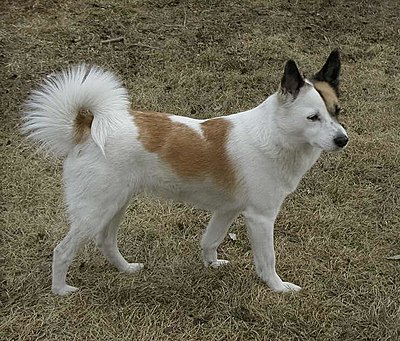


The Spitz Archetype
The term 'Spitz' denotes a morphologically distinct type of dog, rather than a single breed. These dogs share a common ancestral lineage and exhibit a suite of convergent evolutionary adaptations for survival in harsh, northern environments. Key physical characteristics include erect, triangular ears that minimize heat loss, a dense double coat providing exceptional insulation against extreme cold and water resistance, and a characteristic tail carriage, often curled over the back, which can serve to further insulate the nose and face when sleeping.
Their muzzle shape is typically wedge-like, and their build is robust, suited for endurance. This archetypal form is evident across a wide spectrum of breeds, from the diminutive Pomeranian to the formidable Akita and the sled-driving Siberian Husky. Their genetic makeup reflects a deep history of co-evolution with human populations in regions like Siberia, Northern Europe, and East Asia, where they served vital roles in hunting, herding, and transportation.
Historical Roles and Human Partnership
Spitz breeds have been indispensable partners to human societies for millennia, their development intrinsically linked to the needs of northern cultures. Breeds like the Samoyed were crucial for the Samoyedic peoples, not only as sled-pullers and reindeer herders but also as integral family members, sharing tents and warmth. The Norwegian Elkhound's prowess in hunting large game like moose and bears highlights their courage, stamina, and keen sensory abilities.
Similarly, the Finnish Spitz and German Spitz varieties were employed for hunting small game and birds, and as farm watchdogs. The larger Spitz types, such as the Akita Inu and Kai Ken from Japan, were historically used for hunting large game like bears and wild boar, and later for guarding. Their intelligence, trainability, and loyalty made them highly valued, fostering a deep symbiotic relationship that shaped both human settlements and canine evolution in these challenging landscapes.
Their historical roles underscore a profound understanding of animal behavior and selective breeding by indigenous peoples.
Physiological Adaptations and Behavioral Traits
The physiological adaptations of Spitz breeds are remarkable. Their double coat is a prime example; the undercoat, known as the 'guard hair,' is dense and woolly, trapping air for insulation, while the outer layer of longer, coarser hairs protects against moisture and dirt. This coat undergoes seasonal shedding ('blowing coat'), a process that allows them to adapt to changing temperatures.
Behaviorally, many Spitz breeds exhibit a high degree of independence and intelligence, stemming from their historical roles where they often had to make decisions autonomously. This can translate to a stubborn streak in modern pets, requiring consistent and positive training methods. They often possess a strong guarding instinct and can be vocal, alerting their owners to perceived threats.
Furthermore, their hunting heritage can manifest as a pronounced prey drive, necessitating careful management around smaller animals. Understanding these innate traits is crucial for responsible ownership and ensuring the well-being of both the dog and its environment.
Spitz in Contemporary Society
In the modern era, Spitz breeds have transitioned from primarily working roles to becoming highly sought-after companion animals. Their striking appearance, loyal nature, and engaging personalities have contributed to their global popularity. However, this shift necessitates a re-evaluation of their care requirements.
The dense coat, while a marvel of natural engineering, demands consistent grooming to prevent matting and manage heavy shedding, particularly during seasonal coat blows. Their energy levels, often high due to their working ancestry, require adequate physical and mental stimulation to prevent boredom-related behavioral issues. Breeds like the Pomeranian have achieved immense popularity as companion animals, while larger breeds like the Alaskan Malamute and Siberian Husky continue to be appreciated for their strength and endurance, participating in sledding events and dog sports.
The cultural significance of Spitz breeds is also evident in their representation in art, literature, and popular media, solidifying their enduring legacy as iconic canine companions.
See also
Frequently Asked Questions
What makes Spitz dogs good for cold weather?+
Why do Spitz dogs have triangular ears?+
How did Spitz dogs help people in the past?+
Do Spitz dogs like to guard?+
Are Spitz dogs good for families?+
Based on content from Wikipedia · Licensed under CC BY-SA 4.0