

Boys and Girls: How They're Different!
Images
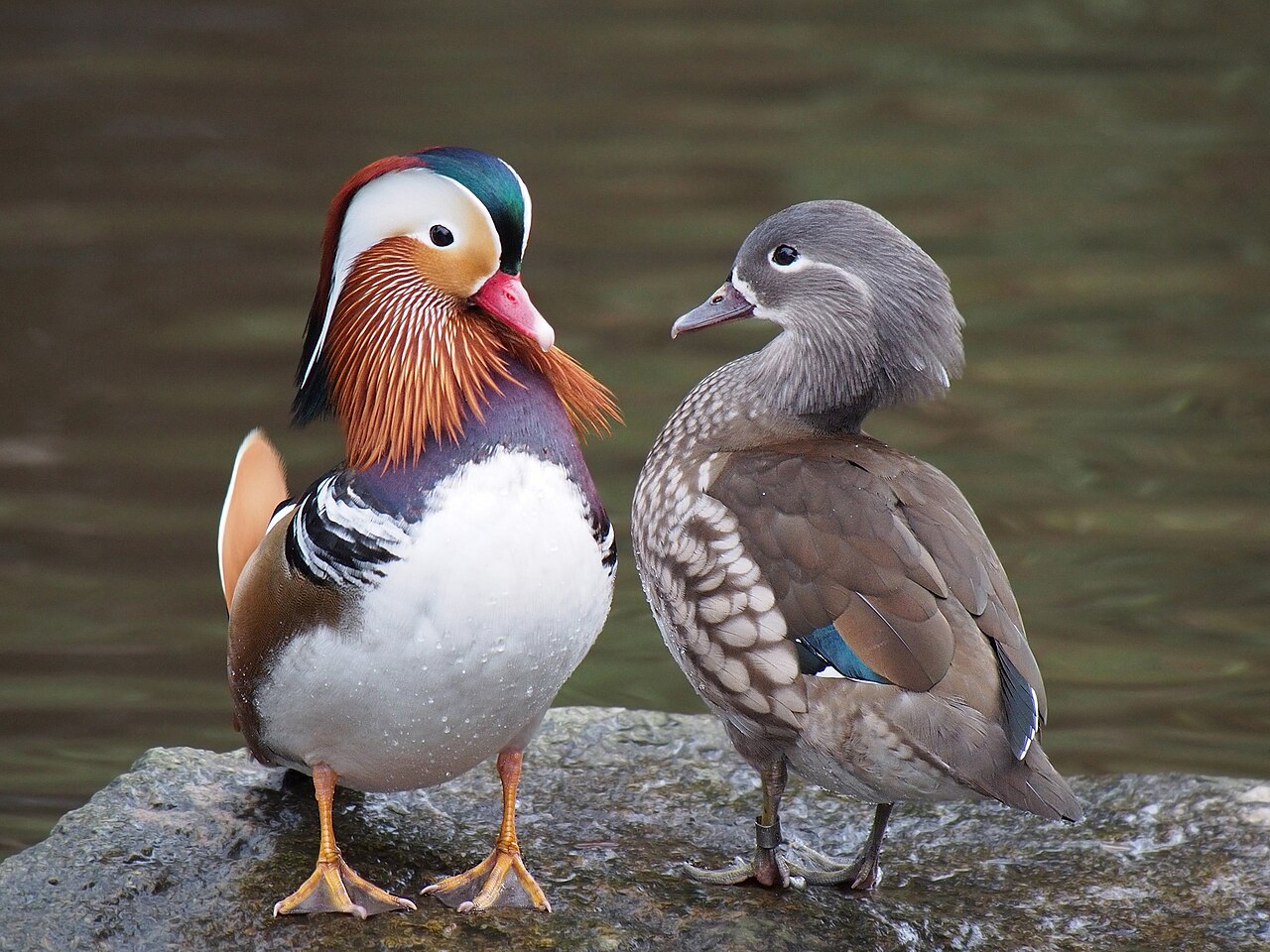
Sexual dimorphism


The Evolutionary Tapestry of Phenotypic Divergence
Sexual dimorphism, the distinct differences in physical characteristics between males and females of the same species, is a pervasive outcome of evolutionary processes. At its core, it is driven by differential selection pressures acting on each sex, primarily related to reproduction and survival. Sexual selection, a powerful evolutionary force, often favors exaggerated male traits that enhance mating success, such as elaborate plumage in birds of paradise, impressive antlers in cervids, or intense male-male combat for territory and mates.
This can lead to a phenomenon known as 'runaway selection,' where traits become increasingly extreme over time, sometimes to the detriment of survival. Conversely, females may evolve traits that optimize their reproductive success, such as enhanced parental care capabilities, better camouflage for predator avoidance while nesting, or increased efficiency in resource acquisition. The interplay between these competing selective pressures sculpts the diverse dimorphic patterns observed across the biosphere, reflecting a complex evolutionary history shaped by environmental conditions and genetic predispositions.
Mechanisms of Dimorphism
The expression of sexual dimorphism is intricately regulated by genetic and hormonal mechanisms. Sex determination, often through chromosomal differences (like XY in mammals or ZW in birds) or environmental factors (like temperature in some reptiles), initiates the cascade of developmental pathways. Hormones, particularly sex steroids like testosterone and estrogen, play a pivotal role in orchestrating the development of secondary sexual characteristics.
For instance, testosterone drives the growth of antlers in deer and the development of the male lion's mane. These hormonal influences are not static; they can fluctuate throughout an individual's life, impacting seasonal displays or age-related changes in dimorphism. Furthermore, gene expression patterns differ between sexes, leading to distinct physiological and morphological outcomes.
Understanding these underlying molecular and developmental processes is crucial for comprehending how such pronounced physical differences arise and are maintained within a species, often involving complex gene-environment interactions.
Ecological Roles and Adaptive Significance
Sexual dimorphism has profound ecological implications, influencing species interactions, niche partitioning, and community dynamics. For example, differences in size and foraging morphology between sexes can lead to resource partitioning, reducing competition within a species and allowing it to exploit a wider range of ecological niches. In species where males are significantly larger and more aggressive, they may play a dominant role in territorial defense or predator deterrence, while smaller, more agile females might be better suited for evading predators or navigating complex habitats.
The conspicuous traits of males can also attract predators, thereby influencing prey population dynamics. Moreover, the presence of distinct male and female forms can affect mating systems, social structures, and the overall reproductive output of a population. The adaptive significance of these differences lies in their contribution to the species' long-term survival and evolutionary success in a dynamic environment.
Modern Relevance
The study of sexual dimorphism holds contemporary relevance in fields such as conservation biology and human health. In conservation, recognizing dimorphic traits is vital for accurate species identification, population assessment, and the development of targeted conservation strategies. For instance, if only males exhibit a particular trait, conservation efforts might need to focus on protecting male habitats or mitigating threats that disproportionately affect them.
In human health, understanding sex-based biological differences, a form of sexual dimorphism, is increasingly important for personalized medicine. Differences in disease susceptibility, drug metabolism, and physiological responses between males and females necessitate sex-specific research and treatment approaches. From understanding evolutionary history to addressing pressing modern challenges, the study of sexual dimorphism continues to offer invaluable insights into the complexity of life.
Go deeper
Based on content from Wikipedia · Licensed under CC BY-SA 4.0