

The Negev Desert!
Images

Visit to the Negev 2012_176


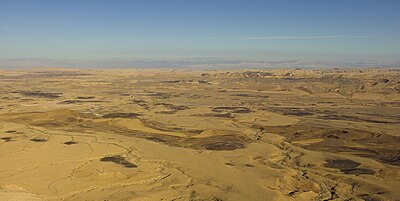


Geopolitical and Geographical Context of the Negev
The Negev, also known as the Naqab, is a vast desert and semi-desert region dominating southern Israel, covering approximately 55% of the country's landmass. Its northern boundary is marked by the city of Beersheba, the region's administrative and population center, while its southern extremity culminates in the Gulf of Aqaba, featuring the port city of Eilat. This expansive territory encompasses a range of settlements, from established development towns like Dimona and Arad to numerous Bedouin communities such as Rahat and Tel Sheva, alongside agricultural kibbutzim like Revivim and Sde Boker.
The climate is characterized by extreme aridity, with minimal precipitation and high temperatures, fostering a unique ecological system and presenting significant challenges for human habitation and development. Its strategic location connects Israel to the Red Sea and borders Jordan and Egypt, making it a critical geopolitical area.
Historical Trajectories and Territorial Claims
Historically, the Negev was part of the Roman province of Arabia Petraea. Its integration into the modern state of Israel is a product of 20th-century geopolitical maneuvering. In 1922, during the British Mandate, the region was included within the territory of Mandatory Palestine.
Despite remaining predominantly Arab until the mid-1940s, the Jewish Agency initiated the '11 points in the Negev plan' in 1946. This strategic initiative aimed to establish Jewish settlements and assert territorial claims in response to proposed partition plans that might have allocated the area to an Arab state. The subsequent United Nations Partition Plan for Palestine in 1947 allocated a substantial portion of the Negev to the proposed Jewish state, laying the groundwork for its development and settlement post-1948.
Demographic Mosaic and Cultural Adaptation
The Negev is home to a diverse population, reflecting a complex demographic history. Alongside the majority Jewish population residing in cities, towns, and kibbutzim, there is a significant indigenous Bedouin population. The Bedouin have traditionally inhabited the region for centuries, developing unique cultural practices and a deep understanding of the desert environment.
Their settlements, ranging from traditional encampments to recognized towns, represent a distinct aspect of Negev society. The presence of figures like David Ben-Gurion, who chose to retire to Sde Boker, highlights the region's symbolic importance in the Zionist narrative. This cultural mosaic is increasingly recognized, with efforts to integrate and preserve the heritage of all communities within the Negev.
Economic Development and Scientific Innovation in Arid Lands
The economic landscape of the Negev is evolving, moving beyond traditional agriculture and resource extraction. The region is becoming a hub for scientific research and technological innovation, particularly in fields related to arid land management. Ben-Gurion University of the Negev, with its specialized institutes like the Jacob Blaustein Institutes for Desert Research, is at the forefront of developing sustainable solutions for water conservation, renewable energy, and desert agriculture.
This research is crucial not only for the Negev but also for addressing global challenges of climate change and resource scarcity. Furthermore, the Negev's unique landscape and clear skies make it an attractive location for astronomical observation and tourism, as recognized by international travel guides.
Governance and Future Prospects
The Negev is governed as part of the State of Israel, with Beersheba serving as its administrative capital. Local governance is managed through municipal councils for cities and towns, and regional councils for kibbutzim and smaller communities. The unique status and needs of the Bedouin population are addressed through specific governmental policies and development plans, though challenges related to land rights and recognition persist.
The region's future development is a key focus for Israeli policy, aiming to balance population growth, economic diversification, and environmental sustainability. International recognition, such as its inclusion in Lonely Planet's top travel destinations, underscores the Negev's potential as a unique destination that blends natural beauty, historical depth, and cutting-edge scientific achievement.
See also
Based on content from Wikipedia · Licensed under CC BY-SA 4.0