

Beersheba
Images
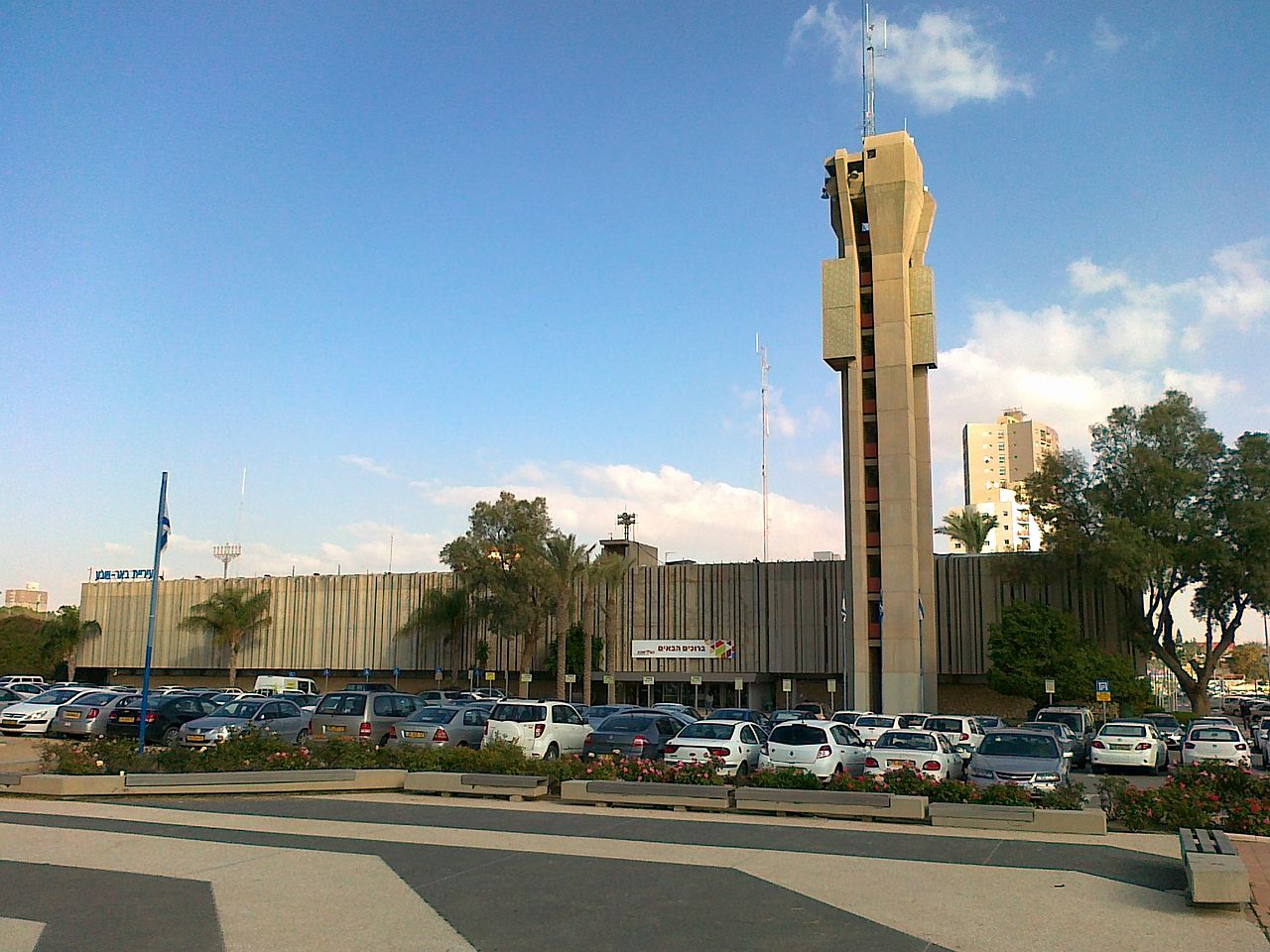
Beersheba City Hall 6


Geostrategic Significance and Urban Development
Beersheba (Be'er-Sheva) occupies a pivotal location in southern Israel, serving as the undisputed 'Capital of the Negev.' This designation reflects its role as the primary administrative, economic, and cultural hub for the vast desert region. Its metropolitan area ranks as the fourth-largest in Israel, underscoring its regional dominance. The city's physical footprint is substantial, covering 117.5 square kilometers, a significant area that accommodates its growing population of over 218,000.
Historically, its strategic position at the crossroads of ancient trade routes made it a vital settlement. Today, it continues this legacy as a gateway to the desert, connecting diverse communities and facilitating development in a challenging yet resource-rich environment. The city's infrastructure and urban planning are geared towards supporting a modern, dynamic population within a unique desert landscape.
A Tapestry Woven Through Millennia
The historical narrative of Beersheba is exceptionally deep, with evidence of human habitation dating back to the fourth millennium BC. Its biblical significance is profound, marking the southern boundary of ancient Israel, famously encapsulated in the phrase 'From Dan to Beersheba,' signifying the full extent of the Israelite territory. Initially allocated to the Tribe of Judah and later to Simeon, Beersheba served as a royal city during the monarchic period.
Its ancient biblical site, Tel Be'er Sheva, lies a short distance from the modern city, which was established by the Ottoman Empire in the early 20th century. A pivotal moment in its more recent history was its capture by British-led forces during World War I, a significant event in the Middle Eastern theatre. The city's population composition underwent a radical transformation following the 1948 Arab-Israeli War, shifting from a predominantly Muslim Arab population to a new demographic reality.
Demographic Dynamics and Cultural Synthesis
The demographic landscape of Beersheba is a complex and evolving mosaic, particularly shaped by post-1948 immigration patterns. Following the establishment of Israel, a significant portion of the Arab population was displaced or expelled, and the city became a destination for Jewish immigrants. These included Sephardi and Mizrahi Jews fleeing or relocating from Arab countries, as well as communities like the Bene Israel and Cochin Jews from India.
Since the 1990s, two major waves of immigration have further diversified the population: Russian-speaking immigrants from the former Soviet Union and Beta Israel (Ethiopian Jews). This influx has profoundly influenced the city's cultural fabric. Notably, the large Russian-speaking community has fostered a passion for chess, establishing Beersheba as Israel's national chess center and a global leader in chess grandmaster density.
Economic Engines
Beersheba is not only a historical and cultural center but also a burgeoning hub for economic activity, particularly in the realms of education and technology. The presence of Ben-Gurion University of the Negev is a cornerstone of the city's intellectual and economic vitality. This major research university drives innovation, attracts talent, and fosters a skilled workforce.
Complementing the academic sector, Beersheba has strategically positioned itself as a key center for Israel's high-tech and developing technology industries. This includes a growing cluster of companies involved in software development, cybersecurity, advanced manufacturing, and research. The synergy between the university and the tech industry creates a dynamic ecosystem conducive to growth, attracting investment and creating high-value employment opportunities, solidifying Beersheba's role in Israel's future economic landscape.
See also
Frequently Asked Questions
What is Beersheba known for?+
Why is Beersheba called the "Capital of the Negev"?+
How many people live in Beersheba?+
Why is Beersheba famous for chess?+
What is special about the history of Beersheba?+
Based on content from Wikipedia · Licensed under CC BY-SA 4.0