

Eilat
Images
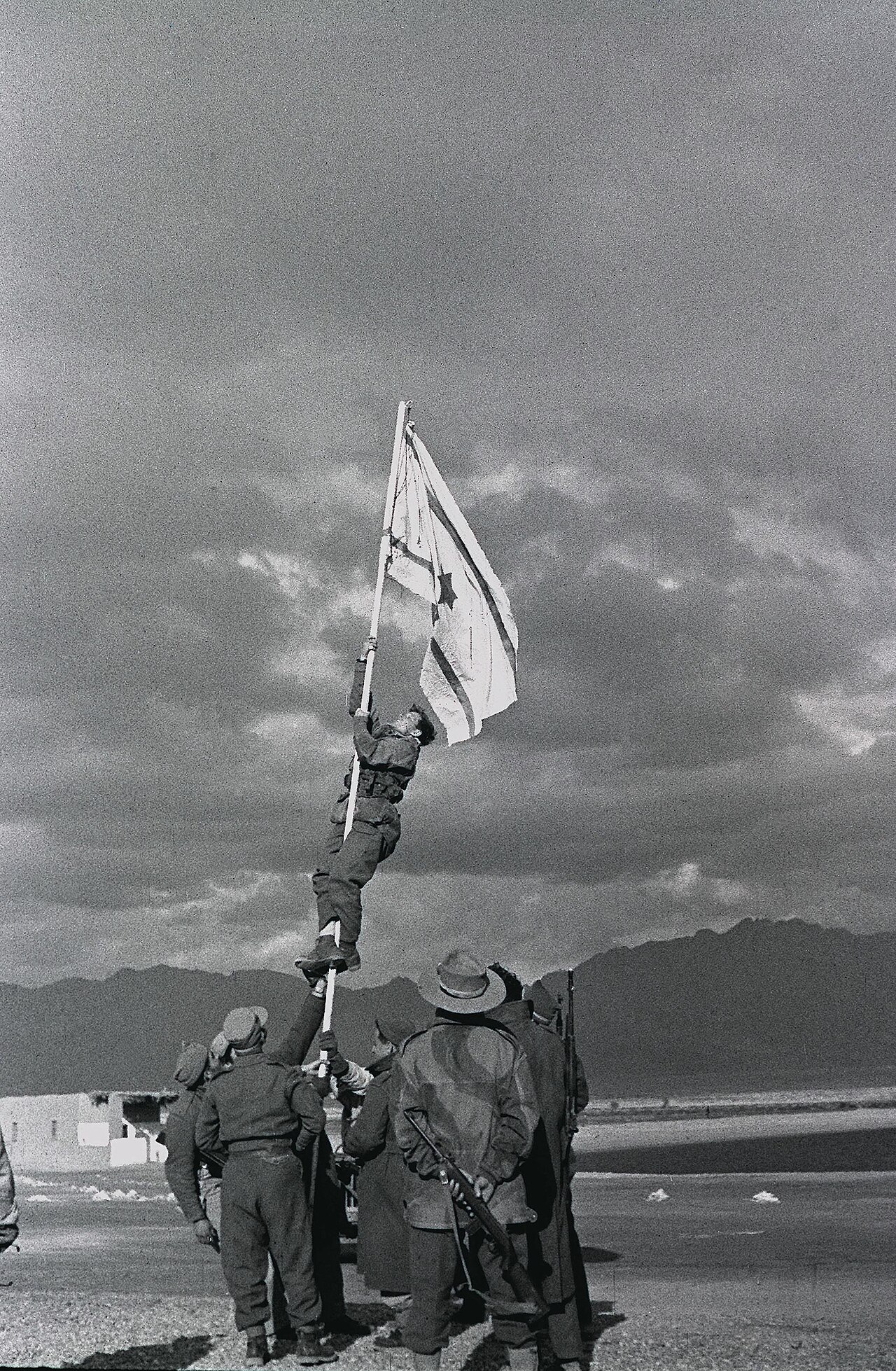
File:Raising the Ink Flag at Umm Rashrash (Eilat).jpg


Geopolitical Crossroads and Desert Oasis
Eilat occupies a strategically significant geographical position at the northernmost tip of the Gulf of Eilat (or Aqaba), a narrow inlet of the Red Sea. This location places it at a unique geopolitical nexus, bordering Egypt to the south and Jordan to the east, with Saudi Arabia visible across the gulf. This proximity to multiple nations has historically influenced its role in trade and diplomacy.
Furthermore, Eilat is situated at the southern terminus of the Arava Valley and the Negev Desert, a starkly arid landscape. This desert environment dictates much of the region's climate and ecology, characterized by extreme heat in summer and mild winters. The city’s existence is a testament to human adaptation, transforming a harsh desert fringe into a thriving urban center and a popular resort destination, sustained by careful management of resources and a focus on its unique coastal environment.
Economic Engine
Eilat’s economy is multifaceted, driven primarily by tourism and its status as a major port. As Israel's sole gateway to the Red Sea, its port facilities are crucial for international trade, facilitating the movement of goods and contributing to the national economy. However, tourism is arguably its most visible economic driver.
The city boasts numerous hotels and resorts, attracting both domestic and international visitors drawn to its beaches, diving opportunities, and consistently sunny weather. Eilat’s designation as a special economic zone, offering tax-free shopping, further enhances its appeal as a tourist destination and commercial hub. This economic model relies heavily on maintaining its natural attractions, particularly the delicate coral reef ecosystems, and managing the influx of visitors sustainably.
The contrast between its arid surroundings and its vibrant, water-centric attractions creates a unique economic proposition.
Ecological Marvel
One of Eilat's most remarkable features is its status as home to the northernmost shallow coral reefs on Earth. These reefs in the Gulf of Eilat are a vital part of the Red Sea's biodiversity, supporting an astonishing array of marine life. The unique hydrographic conditions of the gulf, including its high salinity and stable temperatures, allow these corals to thrive in a location that would typically be too cool for such extensive reef development.
Attractions like the Coral Beach Nature Reserve and the Coral World Underwater Observatory are dedicated to showcasing and protecting this fragile ecosystem. However, these reefs face significant threats from climate change, pollution, and the impact of mass tourism. Eilat's future prosperity is intrinsically linked to its ability to balance economic development with the urgent need for conservation of its precious marine environment.
Climate and Resilience
Eilat experiences an arid desert climate, heavily influenced by its proximity to the warm waters of the Red Sea. Summers are intensely hot, frequently exceeding 40°C (104°F), with low humidity. Winters are mild and pleasant, with average temperatures around 21°C (70°F), making it a year-round destination.
The sea temperature remains consistently warm, ranging from 20°C to 26°C (68°F to 79°F), ideal for water activities. The city averages an impressive 360 sunny days annually, a significant draw for tourism. This consistent sunshine and warmth present both opportunities and challenges.
While it fuels the tourism industry, it also necessitates robust infrastructure for water management, cooling, and protection against the elements. The resilience of Eilat lies in its ability to harness these climatic conditions for economic benefit while mitigating their harsher aspects through modern technology and planning.
Education and Cultural Exchange in a Global Hub
Eilat's educational landscape reflects its unique position as a multicultural and economically diverse city. The population of over 57,000 includes Israelis from various backgrounds, as well as a significant number of foreign workers and expatriates, creating a rich tapestry of cultures. Educational institutions in Eilat cater to this diverse student body, with Hebrew being the primary language of instruction, though English is widely spoken and often taught from an early age.
Given the city's reliance on tourism and its status as a port, educational programs often focus on hospitality management, international trade, and marine sciences. The proximity to Jordan and Egypt also fosters opportunities for cross-border educational initiatives and cultural understanding, promoting dialogue and cooperation in a region often marked by geopolitical complexities. This focus on education is vital for Eilat's continued development and its role as a bridge between different peoples and economies.
See also
Frequently Asked Questions
What is Eilat famous for?+
Where is Eilat located?+
Why are the coral reefs in Eilat special?+
How hot does it get in Eilat during summer?+
What can visitors do in Eilat?+
Based on content from Wikipedia · Licensed under CC BY-SA 4.0