

Myeong-dong: Seoul's Super Shopping Street!
Images

Myeong-dong 명동




Evolution of a Commercial Powerhouse
The area now known as Myeong-dong has a rich historical tapestry, initially referred to as Myŏngnyebang, Myŏngnyebanggol, or Chonghyŏn during the Joseon period, signifying its integration into the southern part of the capital, Hanseong. The early 20th century marked a significant shift under Japanese colonial rule, with its renaming to Meiji-cho in 1914. This period saw the nascent development of its commercial identity, influenced by the burgeoning trade in adjacent Chungmuro.
Following Korea's liberation, the district was officially designated Myeong-dong in 1946. The post-Korean War era, particularly the 1960s and 1970s, witnessed Myeong-dong's dramatic transformation. The expansion of the financial sector from neighboring Namdaemun-ro and Euljiro, coupled with urban redevelopment and the construction of high-rise buildings, cemented its status as a prime commercial and financial hub.
This era also saw it become a focal point for youth culture and fashion, attracting a trendy demographic that contributed to its vibrant atmosphere.
A Global Nexus of Retail and Economic Significance
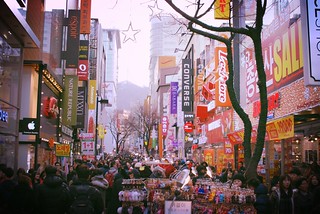
Myeong-dong stands as a testament to global retail prowess, consistently ranked among the world's most expensive shopping streets, notably as the ninth most expensive in 2023. Its economic significance is undeniable, attracting an estimated daily footfall of two million people. The district is a curated landscape of mid-to-high priced retail, international luxury brands, and the burgeoning Korean cosmetics industry, making it a magnet for both domestic consumers and international tourists.
The sheer concentration of department stores and shopping centers creates an immersive retail experience. The global reach of Myeong-dong's influence is even reflected in international retail strategies, such as Lotte Department Store replicating its streetscape in Tianjin, China. This economic vitality is further underscored by its role as a major financial center, housing headquarters for numerous prominent financial institutions, including Citibank, Kookmin Bank, and branches of international banks like HSBC and Sumitomo Mitsui Banking Corporation.
Cultural Anchors and Sites of Civic Discourse
Beyond its commercial appeal, Myeong-dong is a repository of significant cultural and historical landmarks. Myeong-dong Cathedral, established in 1898, is the oldest Catholic cathedral in Korea and serves as a prominent architectural and spiritual icon. Its historical importance extends beyond religious services; the cathedral plaza has historically been a crucial site for political demonstrations and protests, particularly during the nation's periods of democratic struggle in the 1980s and 1990s.
This dual role as a place of worship and a platform for civic expression highlights Myeong-dong's multifaceted identity. The presence of the Myeong-dong Theater further enriches the cultural landscape, offering a venue for performing arts. The annual Myeong-dong Festival, held biannually since 1982, aims to invigorate the commercial area and boost tourism through parades, musical performances, and fashion shows, celebrating the district's dynamic spirit.
Urban Dynamics
The urban planning of Myeong-dong prioritizes pedestrian experience, with its main thoroughfares and most alleys largely pedestrianized during daylight hours, excluding early morning and late-night delivery times. This deliberate blocking off of streets from vehicular traffic fosters a more relaxed and immersive environment for shoppers and tourists to explore the diverse array of shops, restaurants, and cultural sites. This pedestrian-friendly approach enhances its appeal as a destination.
Recognizing its importance, Myeong-dong was designated a Special Tourism Promotion Area in March 2000, solidifying its role in Seoul's tourism strategy. It is a key stop on official city bus tours, ensuring its accessibility and visibility to visitors seeking to experience the essence of Seoul's vibrant urban life, blending commerce, history, and entertainment.
See also
Frequently Asked Questions
What is Myeong-dong in Seoul?+
Why do so many people visit Myeong-dong every day?+
Where can I find the oldest Catholic church in Korea?+
What happens during the Myeong-dong Festival?+
How is Myeong-dong different from other shopping streets?+
Based on content from Wikipedia · Licensed under CC BY-SA 4.0