

Zambia
Images
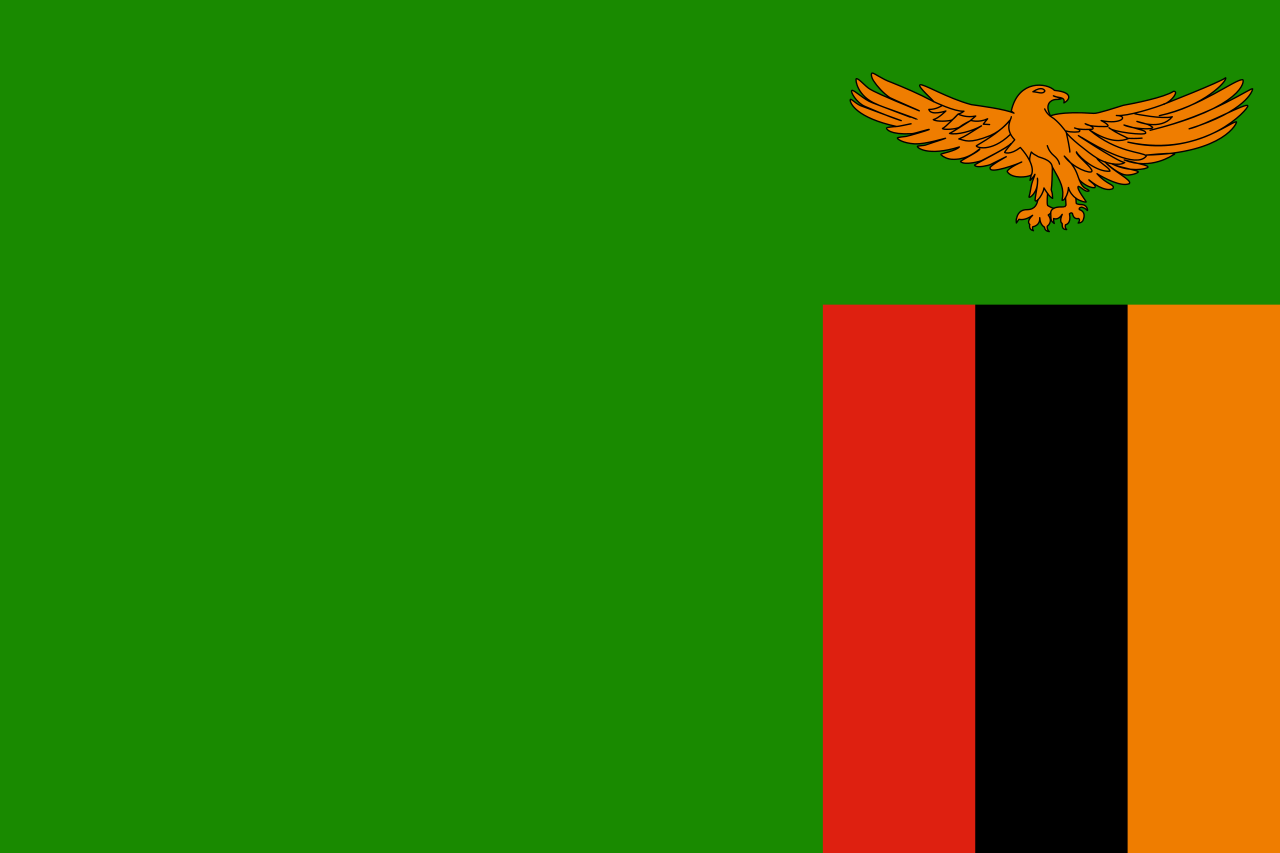
Zambia
Opens Google Maps in new tab
Geomorphology and Climate Dynamics of Zambia
Zambia, a significant landlocked nation in Southern Africa, occupies a vast plateau averaging about 1,200 meters (4,000 feet) above sea level. Its geomorphology is characterized by extensive plains, rolling hills, and escarpments, shaped by ancient geological processes and the erosive power of its major river systems, most notably the Zambezi River and its tributaries. The country's location within the tropics dictates a climate that is predominantly tropical continental, marked by three distinct seasons: a cool, dry season (May to August), a hot, dry season (September to October), and a warm, wet season (November to April).
Rainfall patterns are crucial, with annual precipitation varying across the country, generally increasing from south to north. This climatic variability significantly influences Zambia's ecosystems, from the Miombo woodlands that cover large swathes of the country to the diverse wildlife habitats found in its national parks, such as South Luangwa and Kafue. The Zambezi River, forming part of its southern border and home to the awe-inspiring Victoria Falls, is a dominant geographical feature, vital for both natural beauty and potential hydroelectric power.
Historical Trajectories
Zambia's historical narrative is rich and multifaceted, beginning with evidence of early hominid presence and Stone Age cultures. The region was significantly shaped by the Bantu migrations, which introduced iron-working technologies and agricultural practices, leading to the formation of complex societies and chiefdoms over centuries. By the 19th century, the area was influenced by trade routes and the arrival of European explorers and missionaries.
The imposition of British colonial rule in the late 19th century led to the establishment of Northern Rhodesia, primarily driven by resource extraction, particularly copper. The colonial era saw the development of infrastructure geared towards mining and administration, but also fostered growing nationalist sentiments. Post-World War II, the push for self-determination intensified, culminating in Zambia's peaceful attainment of independence on October 24, 1964, under the leadership of Kenneth Kaunda.
This transition marked a pivotal moment, ushering in an era focused on nation-building, economic development, and establishing Zambia's place on the international stage, while grappling with the legacies of colonial exploitation and the challenges of managing a newly sovereign state.
Cultural Pluralism and Societal Dynamics
Zambia is a nation characterized by profound cultural diversity, comprising over 70 distinct ethnic groups, each with its unique languages, customs, and traditions. While English serves as the official language, facilitating national communication and administration, indigenous languages such as Bemba, Nyanja, Tonga, Lozi, and Kaonde are integral to the cultural fabric and daily life of the majority of the population. This linguistic richness underscores the country's pluralistic society.
Zambian culture places a strong emphasis on community, family ties, and respect for elders. Traditional arts, including intricate beadwork, pottery, wood carving, and vibrant textile designs, are important expressions of cultural identity and often serve economic purposes. Music and dance are central to social life, used for storytelling, celebration, and ritual. Despite modernization and urbanization, many traditional values and practices persist, creating a dynamic interplay between heritage and contemporary influences.
The concept of 'Ubuntu,' a philosophy emphasizing interconnectedness and humanity towards others, resonates deeply within Zambian society, fostering a spirit of hospitality and mutual support.
Economic Structure
Zambia's economy is heavily reliant on its mineral wealth, particularly copper, which accounts for a substantial portion of its export earnings and GDP. The mining sector, concentrated in the Copperbelt Province, is a critical engine of economic activity, though it is susceptible to global commodity price fluctuations. Agriculture remains a vital sector, employing a significant percentage of the workforce and contributing to food security and some export revenue, with maize being the primary staple crop.
Efforts to diversify the economy are ongoing, with tourism emerging as a promising growth area, leveraging natural attractions like Victoria Falls and its extensive network of national parks and wildlife reserves. The service sector is also expanding, particularly in urban centers like Lusaka. However, challenges persist, including infrastructure deficits, high unemployment rates, and the need for greater value addition to raw materials.
Zambia actively participates in regional trade blocs, aiming to foster economic integration and attract foreign investment to support sustainable development and reduce its dependence on primary commodity exports.
Governance, Education, and Development Pathways
Zambia operates as a unitary presidential republic, with a multi-party system where the President serves as both head of state and government. The political landscape has seen transitions of power, reflecting the country's commitment to democratic principles, though challenges related to governance and political inclusivity remain subjects of ongoing discussion. The education system is structured in phases, typically including primary, secondary, and tertiary education, with English as the language of instruction from an early stage.
Significant strides have been made in increasing access to education, particularly at the primary level, yet challenges persist in ensuring quality, equitable access, and relevance to the job market, especially in rural areas. The government prioritizes education as a cornerstone for national development, aiming to equip its growing population with the skills necessary for economic participation and societal progress. International partnerships and non-governmental organizations play a role in supporting educational initiatives and broader development goals, addressing issues from healthcare to infrastructure.
Go deeper
Frequently Asked Questions
Where is Zambia located?+
What makes the Zambezi River special in Zambia?+
How many seasons does Zambia have and what are they?+
What animals can you see in Zambia's national parks?+
What languages do people speak in Zambia?+
Based on content from Wikipedia · Licensed under CC BY-SA 4.0